 EN
EN

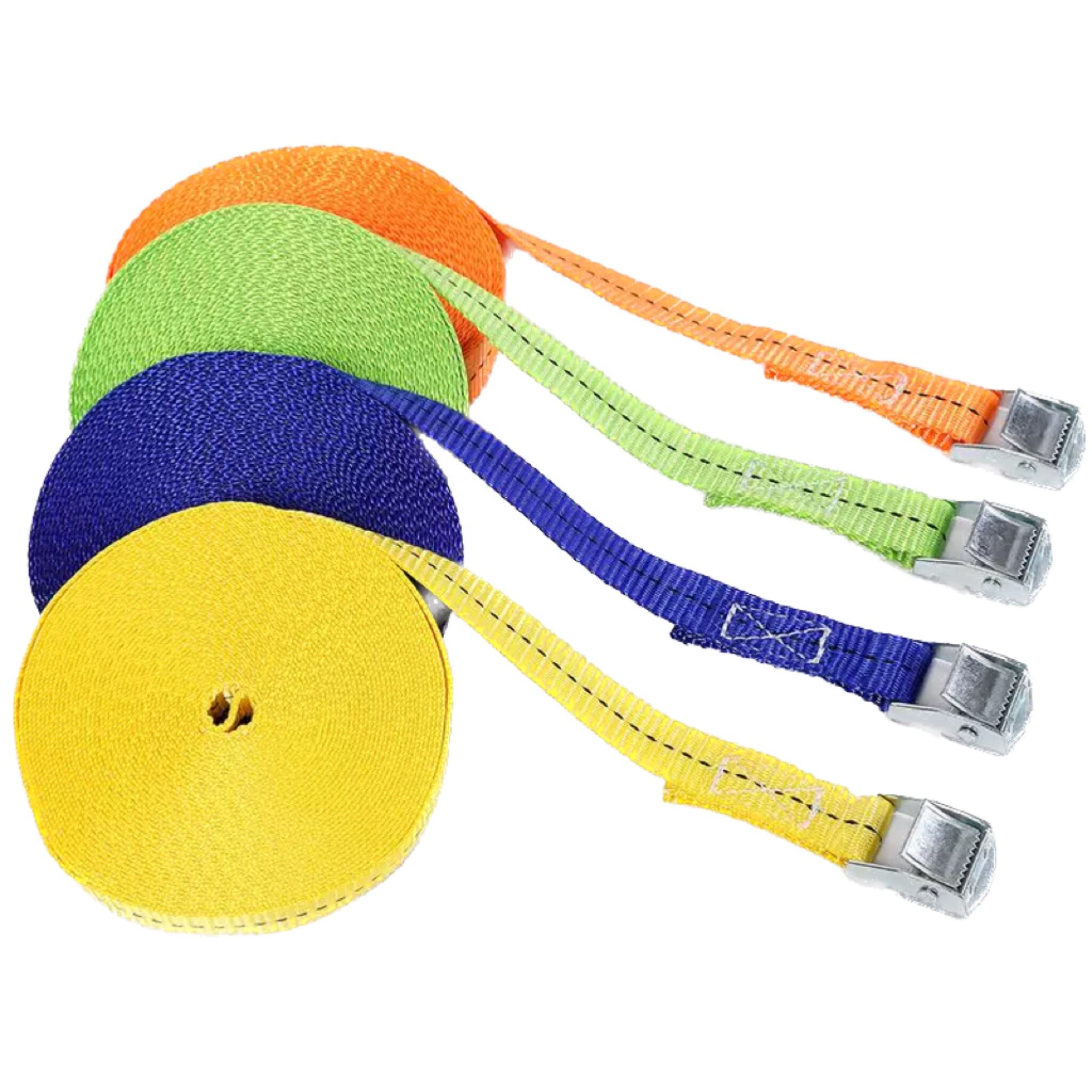
Before any cargo is secured to a truck bed, flatbed trailer, or transport vehicle, the condition of your tie down straps must be thoroughly checked. Skipping a pre-use inspection may seem like a minor shortcut, but it can lead to serious consequences including cargo shift, road accidents, and regulatory violations. Understanding how to inspect tie down straps before each use is a fundamental safety practice that every operator, driver, and logistics professional must follow without exception.
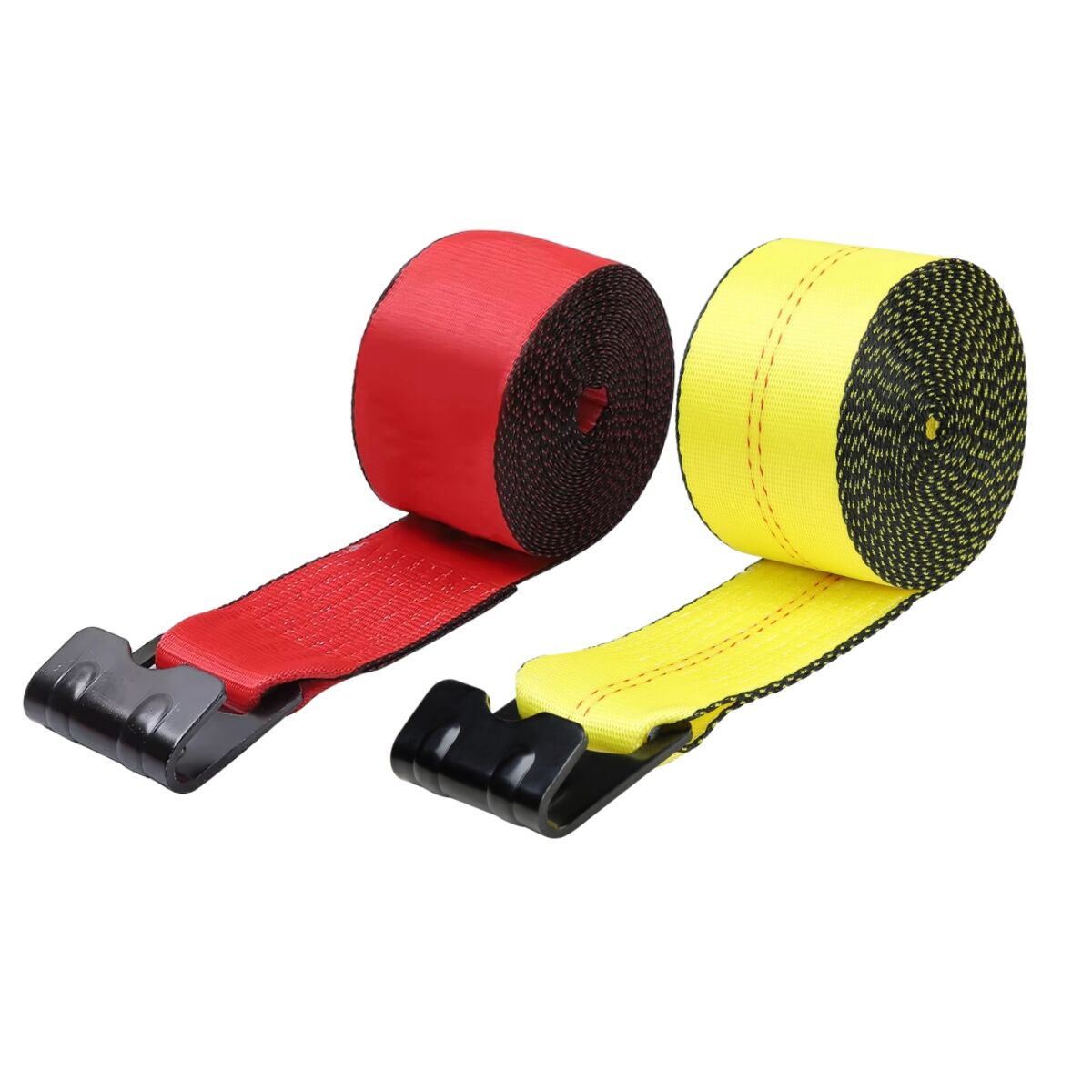
Tie down straps are engineered to withstand significant tension and vibration during transit, but their performance depends entirely on being in sound physical condition at the time of use. A strap that looks acceptable from a distance may carry hidden damage that compromises its load rating entirely. This guide walks through exactly what to look for when inspecting tie down straps before loading, covering webbing integrity, hardware condition, ratchet function, and working load limits, so you can make confident and informed decisions every time.
Webbing Condition and Structural Integrity
Visual Check for Cuts, Fraying, and Abrasion
The webbing is the core load-bearing component of tie down straps, and any visible damage to it should be treated as a reason to remove the strap from service immediately. Lay the strap flat and run it slowly through your hands from one end to the other. You are looking for cuts, nicks, or slices in the fiber, which can occur from contact with sharp cargo edges or metal fixtures. Even a small cut that penetrates only a few threads can dramatically reduce the rated capacity of tie down straps under load.
Fraying along the edges of the webbing is another critical sign of wear. Tie down straps used in heavy-duty transport environments often rub against tie-rail edges, cargo corners, and frame components during transit. Over time, this abrasion breaks down the outer weave and weakens the internal fibers. If you see significant edge fraying or any area where the weave pattern is visibly disrupted, the tie down straps must not be used. Replace them before proceeding with any load.
Checking for UV Degradation, Chemical Exposure, and Discoloration
Polyester webbing used in most tie down straps is resistant to UV exposure and moisture, but prolonged or extreme exposure still degrades the material over time. Look for bleaching, chalking, or unusual stiffness in the webbing, as these are signs that the fibers have weakened from environmental stress. Tie down straps stored outdoors or in areas with intense sunlight are particularly vulnerable to this type of degradation.
Chemical contamination is equally damaging. If tie down straps have been exposed to acids, solvents, fuel, or industrial cleaning agents, the webbing may appear discolored, brittle, or sticky. Any strap showing these signs should be immediately retired. Chemical damage is not always visible on the surface, so if there is any reason to suspect chemical contact, the safest course is to replace the tie down straps regardless of apparent condition.
Hardware and Hook Inspection
Hook Condition and Latch Functionality
The hooks on tie down straps are the primary connection point between the strap and the vehicle anchor or cargo. Inspect each hook carefully for signs of bending, cracking, or corrosion. A hook that has been overloaded may show a slight opening or distortion in the throat, which means it can no longer hold its rated capacity reliably. If the hook has bent even slightly out of its original shape, the tie down straps should not be used.
The safety latch on each hook must spring back firmly and seat completely. Open and close the latch several times to confirm it is not sticky, weak, or broken. Tie down straps with a non-functioning latch are a serious hazard, as the hook can disengage from the anchor point under vibration or sudden load shift during transport. J-hooks and flat hooks used on heavy-duty tie down straps should be checked with the same level of attention as the webbing itself.
Ratchet Mechanism Function and Condition
For ratchet-style tie down straps, the ratchet mechanism must be inspected as a priority item. Open and close the ratchet handle several times to confirm it moves freely and locks positively at each position. The pawl, which is the locking arm inside the ratchet, must engage the teeth firmly without slipping. Tie down straps with a slipping or grinding ratchet cannot maintain consistent tension and should be removed from use.
Check the axle and spindle of the ratchet for corrosion or deformation. Ratchet tie down straps used in wet or salty environments are prone to rust buildup that can freeze the mechanism or weaken the metal. Apply a light lubricant to the moving parts if the ratchet feels stiff, but do not use the tie down straps in service if the corrosion is deep or structural. Also confirm that the webbing is correctly threaded through the mandrel slot before each use.
Working Load Limit and Label Verification
Reading and Confirming Load Rating Labels
Every set of tie down straps must carry a clearly legible label indicating the working load limit, or WLL, and the break strength. These labels are required by transport regulations and provide the operator with critical information about how much tension the tie down straps can safely handle. Before loading, confirm that the WLL on your tie down straps meets or exceeds the requirements for the cargo being secured. Using underrated tie down straps is as dangerous as using damaged ones.
If the label on any of your tie down straps is missing, faded beyond readability, or damaged, the strap must be taken out of service. Without a confirmed load rating, you cannot legally or safely certify that the tie down straps are appropriate for the job. This is a non-negotiable point in professional cargo transport operations and compliance inspections.
Matching Strap Capacity to Cargo Requirements
Even when your tie down straps pass all physical inspections, you must verify that the combined WLL of all straps used meets the minimum securing force required for the cargo weight and type. Tie down straps should be selected and deployed as a system, with each strap sharing the load appropriately across the anchor points. Overloading individual tie down straps by using too few straps for a heavy load is a common mistake that causes strap failure during transit.
FAQ
How often should tie down straps be replaced even with regular inspection?
Tie down straps should be replaced whenever they show signs of damage, chemical exposure, or UV degradation, regardless of age. In high-use commercial environments, tie down straps may need replacement every six to twelve months. Always retire tie down straps that have been involved in a severe load shift or accident, even if no visible damage is apparent.
Can tie down straps be repaired if minor damage is found during inspection?
Tie down straps should never be repaired or modified in the field. Splicing, stitching, or reinforcing damaged webbing does not restore the original rated capacity of tie down straps and can create unpredictable failure points. Any strap that fails inspection should be cut and discarded to prevent accidental reuse.
What storage practices help preserve tie down straps between uses?
Storing tie down straps in a dry, cool, and UV-protected environment significantly extends their service life. Coil or fold tie down straps loosely to avoid kinking the webbing, and keep them away from chemicals, sharp tools, and direct sunlight. Proper storage reduces deterioration between uses and makes pre-use inspections faster and more reliable.