 EN
EN

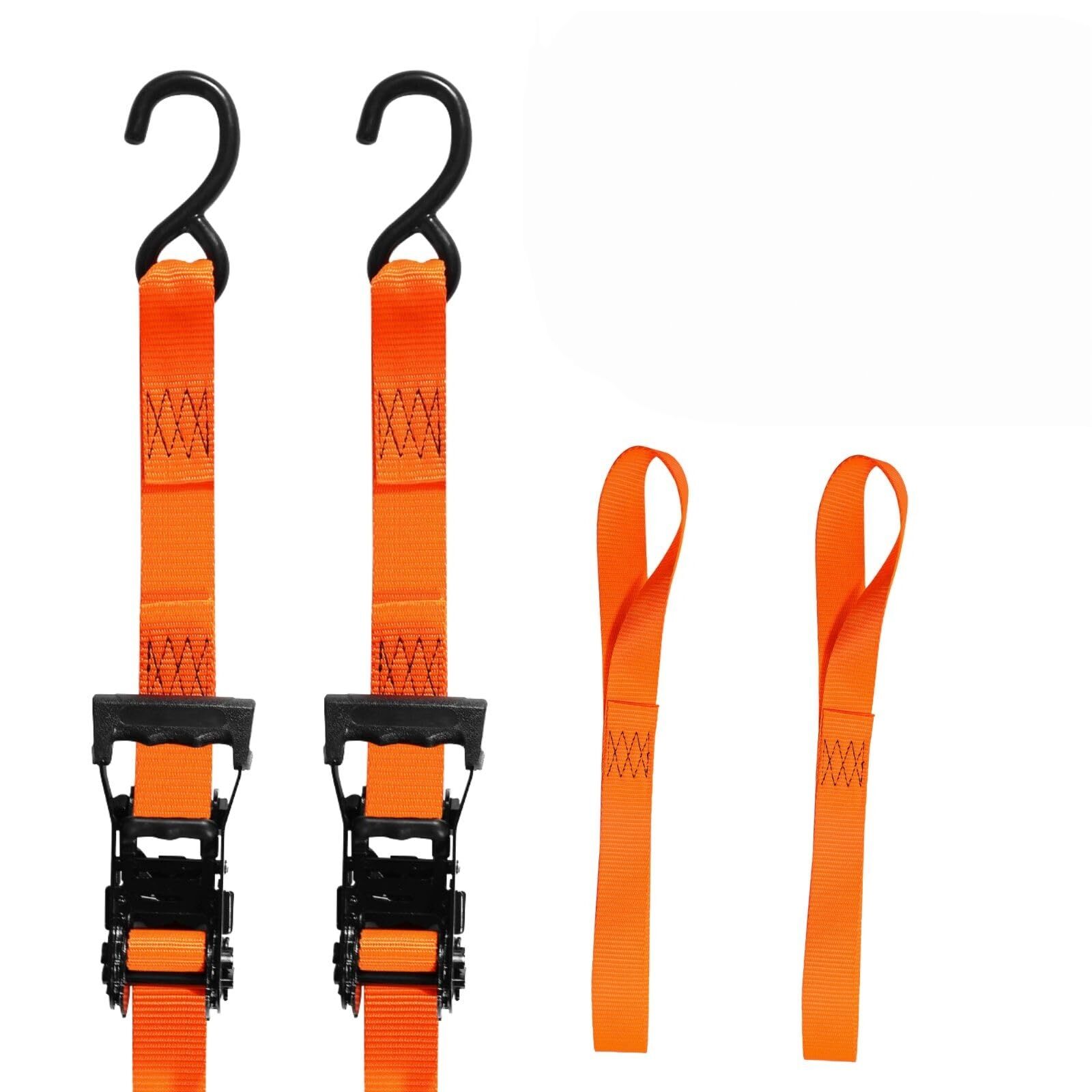
Cargo shifting during transit represents one of the most critical safety and operational challenges in modern logistics. When loads move unexpectedly, they create dangerous conditions for drivers, damage goods, and increase liability exposure for carriers. The primary solution to this persistent problem lies in the proper application of tension straps, which create secure restraint systems that maintain load stability throughout transport. Understanding the mechanical principles behind how tension straps prevent cargo shifting enables logistics professionals to implement more effective load securement strategies and reduce incident rates across their operations.

The mechanism through which tension straps prevent cargo movement relies on fundamental physics principles combined with engineered material properties. These devices function by creating opposing forces that counteract the inertial effects experienced during acceleration, braking, cornering, and road vibration. When properly installed and tensioned, tension straps establish a restraint system that effectively immobilizes cargo by generating sufficient friction and direct physical constraint to resist movement in all directions. The effectiveness of this system depends on multiple interdependent factors including strap tension levels, contact surface characteristics, attachment point geometry, and the distribution pattern of restraint forces across the load.
The Physics of Load Restraint Using Tension Straps
Force Generation and Distribution Principles
Tension straps prevent cargo shifting by converting applied tensioning force into restraining capacity through two primary mechanisms. First, they create direct physical barriers that physically block movement when cargo attempts to shift. Second, and more importantly, they generate substantial downward and compressive forces that dramatically increase friction between the cargo and the transport surface. When tension straps are tightened across a load, they compress the cargo against the deck, multiplying the normal force and consequently the frictional resistance. This friction multiplication effect represents the principal method by which tension straps maintain load stability during transit operations.
The effectiveness of tension straps in preventing cargo shifting increases proportionally with the tensioning force applied during installation. Industry standards typically require tension straps to be tightened to specific working load limits that balance maximum restraint capacity against material stress tolerances. Modern ratchet-type tension straps enable operators to achieve precise, repeatable tension levels that optimize the friction coefficient between cargo surfaces and trailer decks. The geometry of strap placement also influences force distribution, with diagonal patterns and crossing configurations providing superior multi-directional restraint compared to simple parallel arrangements of tension straps.
Material Properties That Enable Cargo Stabilization
The construction materials used in tension straps directly determine their cargo stabilization performance. High-tenacity polyester webbing, the most common material for cargo tension straps, exhibits minimal elongation under load while maintaining flexibility for complex routing configurations. This low-stretch characteristic ensures that tension straps maintain consistent restraining force even when subjected to dynamic loading conditions during transport. The woven structure of polyester webbing in tension straps also provides uniform load distribution across the contact width, preventing localized pressure concentrations that could damage sensitive cargo surfaces or create failure points in the restraint system.
Modern tension straps incorporate specialized edge treatments and protective sleeves that enhance their load-holding capability while protecting both the strap material and cargo surfaces. Corner protectors and edge guards distributed along tension straps prevent abrasion damage that could compromise strap integrity and reduce restraint effectiveness. These protective components also distribute compression forces more evenly, preventing cargo damage at contact points where tension straps cross sharp edges or corners. The complete tension strap system, including webbing, hardware, and protective accessories, must function as an integrated unit to reliably prevent cargo shifting throughout extended transit operations under varying environmental and road conditions.
Application Techniques That Maximize Shifting Prevention
Strategic Placement and Routing Patterns
The spatial arrangement of tension straps across a cargo load fundamentally determines the system's ability to prevent shifting in different directions. Effective tension strap placement requires analyzing the load's center of gravity, its dimensional characteristics, and the anticipated directional forces during transit. Front-to-back tension straps primarily resist longitudinal shifting caused by braking and acceleration, while side-to-side configurations counter lateral movement during cornering. Diagonal tension strap patterns provide the most comprehensive restraint by creating triangulated force vectors that resist movement in multiple directions simultaneously. Professional cargo securers typically deploy tension straps in combination patterns that address all potential shift directions specific to each load configuration.
The number and spacing of tension straps required to prevent cargo shifting varies based on load weight, friction characteristics, and transport conditions. Regulatory frameworks establish minimum tension strap quantities based on cargo weight classes, but experienced operators often exceed these minimums for high-value or unstable loads. Proper tension strap spacing ensures even distribution of restraining forces across the entire cargo mass, preventing localized movement between attachment points. When securing irregularly shaped loads, tension straps must be routed to avoid creating pivot points or leverage advantages that cargo could exploit to shift position. Strategic placement of tension straps at load quarters and thirds typically provides optimal restraint efficiency for standard rectangular cargo configurations.
Tensioning Procedures and Verification Methods
Achieving proper tension levels represents the critical final step in deploying tension straps to prevent cargo shifting. Under-tensioned straps provide insufficient friction multiplication and may allow initial movement that compounds into larger shifts during transit. Over-tensioning damages both the tension straps and cargo while potentially distorting load geometry and creating structural stress. Industry best practices call for tightening tension straps to approximately eighty percent of their rated working load limit, which provides maximum restraint capacity while maintaining appropriate safety factors. Modern ratchet mechanisms on tension straps enable operators to achieve and verify proper tension through consistent handle stroke resistance and audible clicking indicators.
Post-installation verification ensures that tension straps will effectively prevent cargo shifting throughout the transit duration. Visual inspection confirms that tension straps maintain proper routing without twists, runs through appropriate edge protection, and engages securement points correctly. Physical testing involves attempting to manually shift cargo at multiple points to confirm that the tension strap system provides adequate resistance. Many professional operations employ tension measurement tools that quantify the actual restraining force generated by installed tension straps, providing objective confirmation of proper installation. Drivers should conduct pre-trip and periodic en-route inspections of tension straps, retightening as necessary to compensate for cargo settling and strap elongation that naturally occurs during initial transit miles.
Performance Factors and Maintenance Considerations
Environmental and Operational Variables
The ability of tension straps to prevent cargo shifting varies with environmental conditions and operational factors encountered during transit. Temperature extremes affect both tension strap material properties and the friction characteristics of cargo surfaces. Cold conditions can reduce polyester flexibility and increase material brittleness in tension straps, while high temperatures may accelerate creep and elongation under sustained loads. Moisture and precipitation reduce friction coefficients between cargo and deck surfaces, requiring additional tension straps or higher tensioning levels to maintain equivalent restraint capacity. Professional logistics operations adjust their tension strap deployment protocols based on anticipated weather conditions and route characteristics to maintain consistent cargo stability regardless of environmental variables.
Road conditions and driving patterns significantly influence the forces that tension straps must counteract to prevent cargo shifting. Rough pavement, potholes, and railroad crossings generate vertical accelerations that can momentarily reduce the normal force between cargo and deck, temporarily decreasing the friction that tension straps rely upon. Aggressive acceleration, hard braking, and sharp cornering create horizontal forces that directly challenge tension strap restraint capacity. Long-distance highway transport generally imposes lower demands on tension straps compared to urban delivery routes with frequent stops and turns. Understanding these operational variables enables logistics professionals to calibrate their tension strap systems appropriately, deploying additional straps or higher tension levels for demanding route profiles where cargo shifting risks increase.
Inspection Protocols and Service Life Management
Maintaining tension straps in proper operating condition directly impacts their ongoing effectiveness in preventing cargo shifting. Regular inspection identifies wear patterns, damage, and degradation that compromise strap performance before they result in securement failures. Critical inspection points for tension straps include webbing for cuts, abrasions, burns, and excessive wear that reduce tensile strength; stitching for separation or deterioration at termination points; and hardware components for deformation, corrosion, or mechanical failure. Tension straps exhibiting any signs of structural compromise should be immediately removed from service, as damaged straps cannot reliably generate the forces necessary to prevent cargo movement during transit operations.
Proper storage and handling practices extend the functional service life of tension straps while ensuring consistent performance in preventing cargo shifting. Tension straps should be stored clean and dry in locations protected from direct sunlight, which degrades polyester through ultraviolet exposure. Avoiding contamination from oils, solvents, and corrosive chemicals preserves material integrity in tension straps and maintains their rated capacity. Many professional operations implement formal tension strap management programs that track usage history, document inspection results, and enforce replacement schedules based on age and service exposure. These systematic approaches to tension strap lifecycle management ensure that only reliable, full-capacity straps remain in active service where they must dependably prevent cargo shifting across thousands of daily transport cycles.
FAQ
What tension level should be applied to cargo straps to effectively prevent shifting?
Tension straps should typically be tightened to approximately eighty percent of their rated working load limit to effectively prevent cargo shifting. This tension level provides maximum restraint capacity through friction multiplication while maintaining appropriate safety margins. The specific tension required depends on cargo weight, surface friction characteristics, and anticipated transit forces. Operators should tighten tension straps until the ratchet mechanism provides firm resistance and the cargo demonstrates no movement when manually tested. Using calibrated tension measurement tools ensures consistent, appropriate tensioning across all tension straps in a securement system.
How many tension straps are needed to secure a typical cargo load?
The number of tension straps required to prevent cargo shifting depends on load weight, dimensions, and regulatory requirements specific to the operating jurisdiction. As a general guideline, cargo under five thousand pounds typically requires at least two tension straps, while heavier loads need additional straps proportional to weight increases. Regulatory frameworks often specify minimum tension strap quantities based on cargo weight classes and transportation mode. Beyond regulatory minimums, professional practice recommends deploying additional tension straps for high-value cargo, unstable load geometries, or challenging route conditions where shifting risks increase. Properly distributed tension straps across the load provide more reliable securement than concentrated strap placement.
Can tension straps alone prevent all types of cargo from shifting during transport?
Tension straps represent the primary restraint method for most cargo types but may require supplementation for certain load characteristics to completely prevent shifting. Loose bulk materials, granular products, and liquids cannot be effectively secured by tension straps alone and require containment within appropriate vessels or packaging. Extremely smooth or low-friction cargo surfaces may need additional friction-enhancing materials beneath tension straps to generate sufficient restraint capacity. Very tall or unstable loads often require blocking, bracing, or cradle structures in combination with tension straps to prevent tipping and shifting. For standard palletized, crated, or packaged cargo with reasonable friction characteristics, properly applied tension straps provide complete and reliable restraint throughout normal transit operations.