 EN
EN

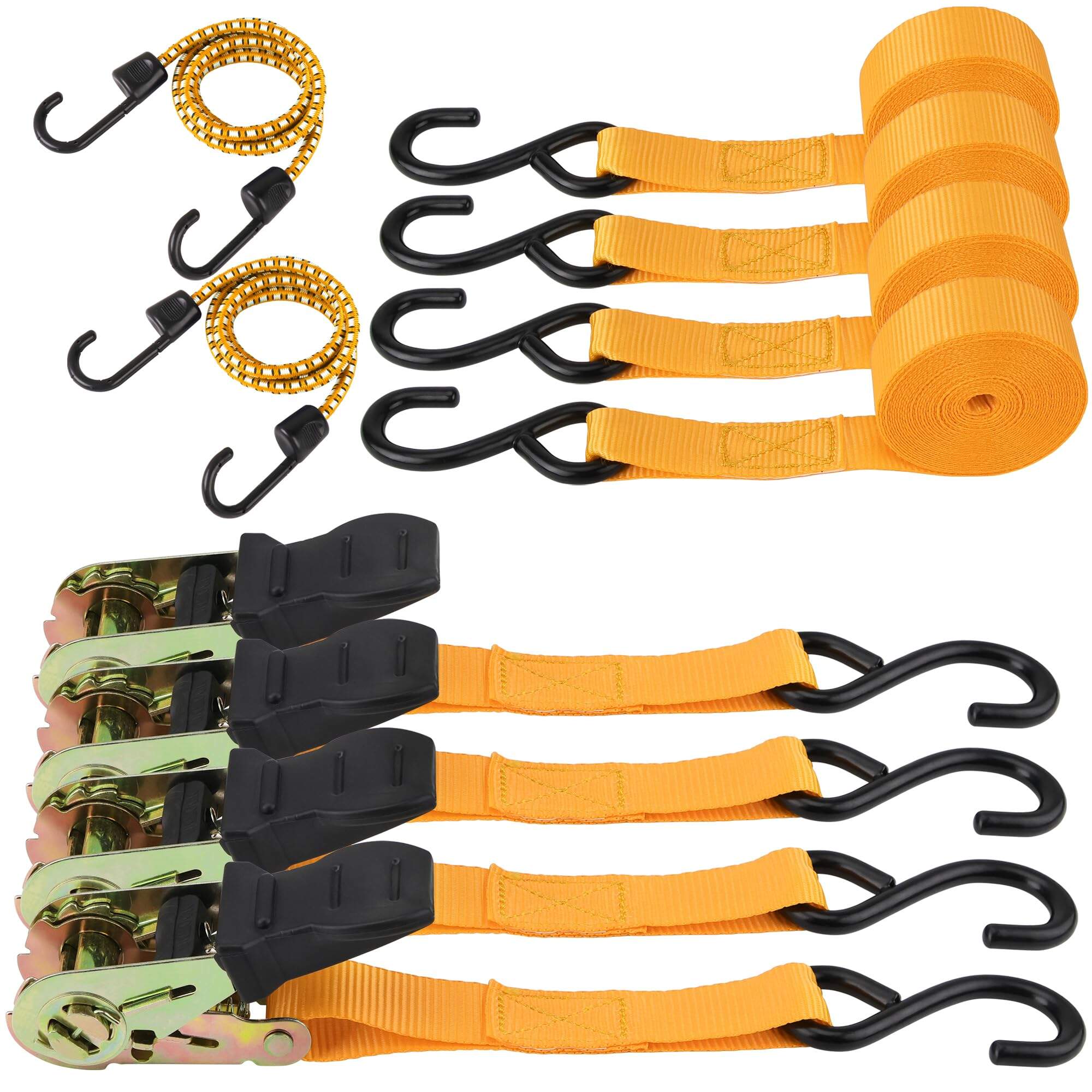
Flatbed hauling demands reliable cargo securement, and choosing the right tie down type directly impacts safety, compliance, and operational efficiency. Whether transporting steel coils, lumber, machinery, or construction materials, the tie down you select must match load weight, securement points, and environmental conditions. Different tie down types offer distinct advantages in break strength, ease of use, and durability, making the selection process critical for fleet managers and owner-operators alike.
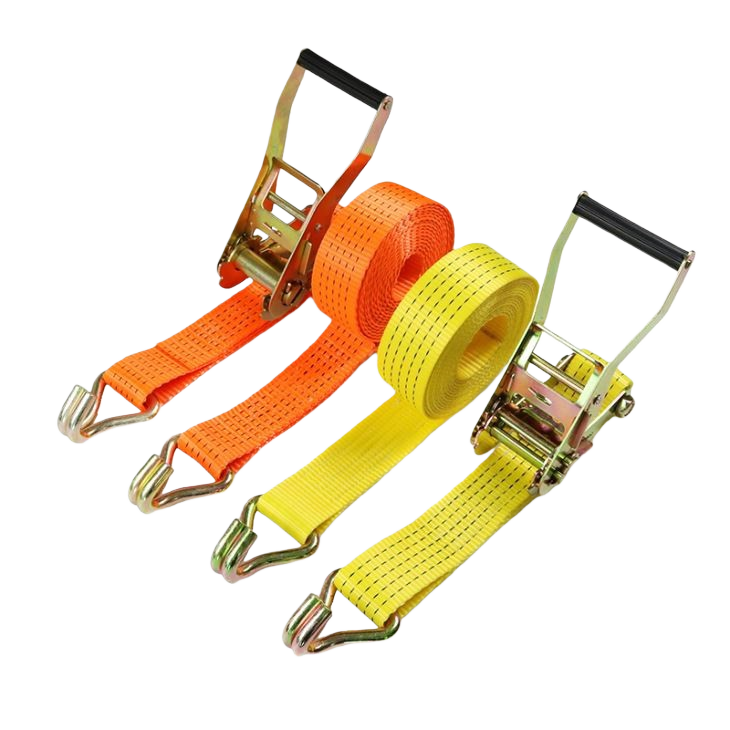
Understanding which tie down type works best requires evaluating ratchet straps, chain binders, and winch straps against specific hauling scenarios. Each tie down category serves distinct cargo profiles, and mismatching tie down type to load characteristics can lead to securement failure, regulatory penalties, or cargo damage. This guide examines the performance attributes of each tie down type, helping you determine the optimal tie down solution for your flatbed hauling operations.
Ratchet Tie Down Performance for General Cargo Securement
Why Ratchet Tie Down Systems Dominate Flatbed Applications
Ratchet tie down systems represent the most widely adopted tie down type in flatbed hauling due to their mechanical advantage, adjustable tension control, and versatility across load types. A ratchet tie down uses a spool mechanism to tighten webbing incrementally, allowing operators to achieve precise tension without excessive physical effort. This tie down type typically features polyester webbing rated between 2,000 and 5,000 kilograms working load limit, making it suitable for securing palletized goods, bundled materials, and irregularly shaped cargo. The ratchet tie down mechanism locks automatically, preventing tension loss during transit and maintaining consistent securement pressure even on rough road surfaces.
Ratchet Tie Down Selection Criteria for Different Load Classes
Selecting the appropriate ratchet tie down requires matching webbing width, break strength, and hook configuration to cargo weight and securement geometry. Standard 50-millimeter ratchet tie down systems work effectively for loads up to 2,000 kilograms when used in pairs, while heavy-duty 75-millimeter or 100-millimeter webbing handles higher tonnage cargo. The tie down hook type matters significantly—double J hooks provide excellent edge grip on flatbed stake pockets, while flat hooks suit D-ring anchors and twisted snap hooks accommodate chain securement points. Each ratchet tie down should incorporate protective edge guards when securing loads with sharp corners, preventing webbing abrasion that compromises tie down integrity. For consistent flatbed operations, maintaining a standardized ratchet tie down inventory simplifies driver training and ensures compliance with Department of Transportation securement regulations.
Chain Tie Down Systems for Heavy Industrial Loads
When Chain Tie Down Solutions Outperform Webbing Alternatives
Chain tie down systems excel in applications where extreme weight, heat exposure, or abrasive contact eliminates webbing-based tie down options. A chain tie down typically consists of Grade 70 or Grade 80 alloy steel chain combined with a lever binder or ratchet binder tensioning device, delivering working load limits from 3,150 to 12,000 kilograms depending on chain diameter. This tie down type resists cutting, melting, and chemical degradation, making it indispensable for securing steel beams, heavy machinery, and loads exceeding standard ratchet tie down capacity. The chain tie down remains functional across temperature extremes that would degrade synthetic webbing, and its metallic construction provides visual wear indication through surface rust or link deformation. However, chain tie down systems require careful load contact management, as direct metal-to-metal contact can damage finished surfaces or create load shifting risks on smooth cargo faces.
Chain Tie Down Application Best Practices
Implementing chain tie down systems effectively demands attention to binder type, chain grade verification, and edge protection protocols. Lever binders offer rapid tensioning but require operator strength and proper leverage technique, while ratchet binders provide controlled incremental tightening similar to webbing-based tie down mechanisms. Each chain tie down must display embossed grade markings confirming alloy composition and working load limit, as using unmarked or mismatched chain compromises securement integrity. Corner protectors become essential when routing chain tie down assemblies over cargo edges, distributing contact pressure and preventing concentrated stress points. Proper chain tie down maintenance includes regular inspection for twisted links, worn hooks, and binder jaw damage, with immediate replacement of any tie down component showing deformation or fatigue cracks.
Winch Tie Down Configurations for Specialized Hauling Needs
Winch Tie Down System Architecture and Use Cases
Winch tie down systems integrate mechanical or hydraulic winches with steel cable or synthetic rope, creating tie down solutions for oversized loads, vehicle recovery, and situations requiring extreme pulling force. This tie down type commonly appears on specialized flatbed trailers, heavy haul equipment transporters, and recovery vehicles where standard ratchet or chain tie down methods lack sufficient capacity. A winch tie down can generate tensions exceeding 20,000 kilograms, enabling securement of bulldozers, excavators, and other self-propelled equipment. The tie down winch mechanism allows for precise load positioning during securement, as operators can pull cargo tight against blocking or adjust alignment before final tie down tensioning. However, winch tie down systems demand operator expertise, as improper cable routing or excessive tension can damage cargo mounting points or create dangerous stored energy conditions.
Comparing Winch Tie Down Systems to Conventional Methods
Winch tie down applications differ fundamentally from ratchet or chain tie down usage, serving as primary securement for rolling stock rather than general cargo restraint. While a ratchet tie down applies vertical downward force and a chain tie down provides multi-directional restraint, a winch tie down primarily delivers horizontal pulling force to position and stabilize wheeled or tracked equipment. This tie down type requires dedicated mounting points on the flatbed deck, typically consisting of recessed winch pockets or reinforced tie down rails capable of withstanding directional pulling loads. Combining winch tie down systems with supplementary ratchet or chain tie down assemblies creates redundant securement, addressing Department of Transportation requirements for forward, rearward, and lateral load restraint. The winch tie down cable or rope must undergo frequent inspection for fraying, kinking, or strand separation, as cable failure under tension presents severe safety hazards distinct from webbing or chain tie down failure modes.
FAQ
What tie down working load limit should I use for my cargo weight?
The working load limit of your tie down system should equal at least half the cargo weight when using two tie down assemblies, or one-third when using three assemblies, according to Federal Motor Carrier Safety Administration regulations. Always verify the tie down rating label and never exceed the marked working load limit, as doing so risks tie down failure and cargo loss. For mixed cargo loads, calculate total securement requirements based on the heaviest individual piece rather than average weight distribution.
How many tie down straps do I need for flatbed securement?
Federal regulations require a minimum of two tie down assemblies for cargo up to 1,500 kilograms, plus one additional tie down for every 1,500 kilograms or fraction thereof beyond the initial weight threshold. However, the total tie down working load limit must also meet the half-cargo-weight rule, meaning heavier loads may require more tie down assemblies than the numerical minimum. Always distribute tie down placement evenly across the cargo length to prevent concentration of securement force and ensure balanced load restraint.
Can I mix different tie down types on the same load?
Mixing tie down types such as combining ratchet tie down and chain tie down systems on a single load is permissible and often advantageous when each tie down type addresses specific securement challenges. For example, using chain tie down assemblies for primary heavy load restraint while adding ratchet tie down straps for edge stabilization creates complementary securement. Ensure each tie down type meets working load limit requirements independently and avoid creating incompatible tension patterns that could shift the load during transit.