 EN
EN

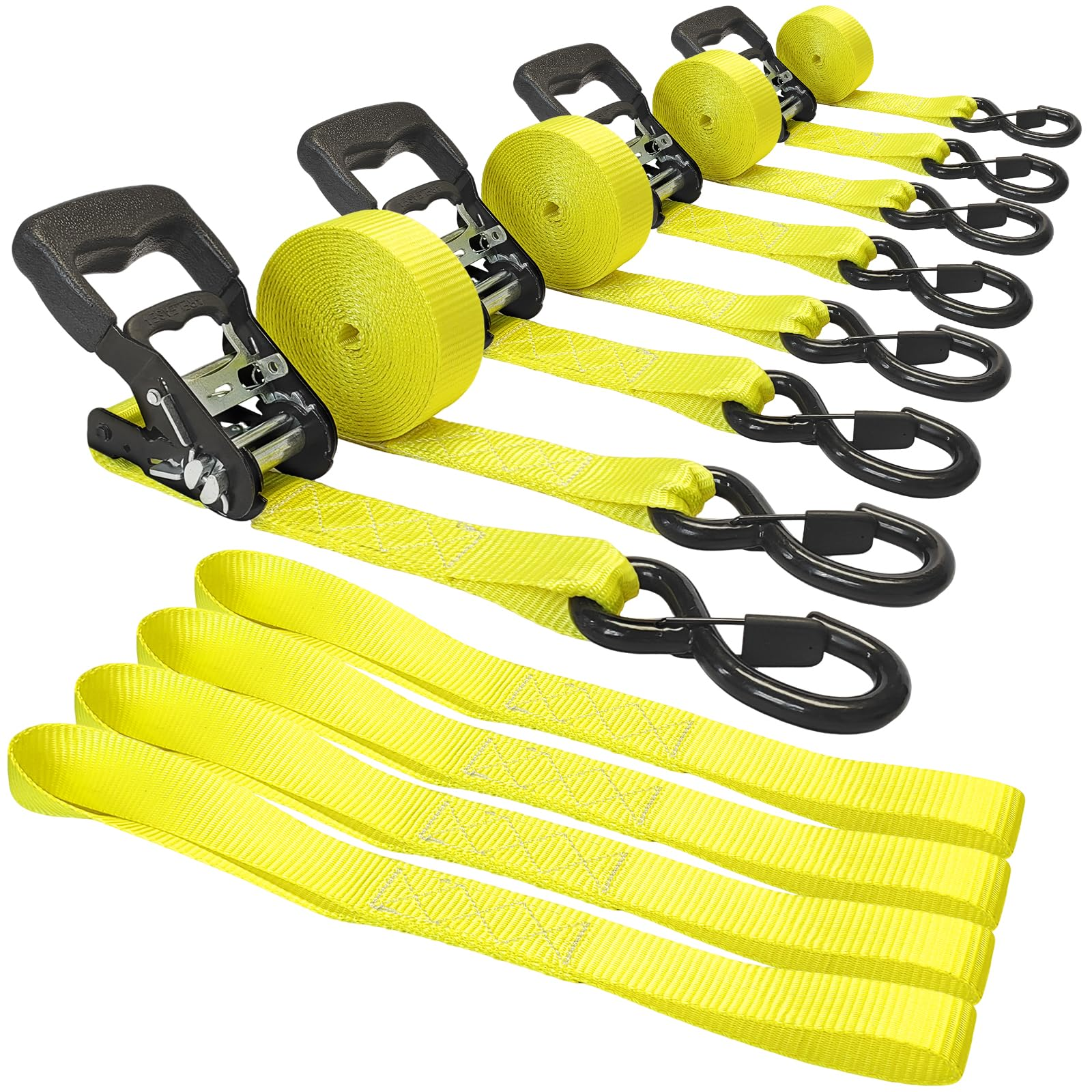
When moving heavy freight, the ratings printed on your load straps are not just compliance labels — they are the difference between a secure shipment and a catastrophic road incident. Load straps are the primary restraint system for flatbed, step-deck, and open-deck freight, and every rating stamped on the webbing or hardware carries a specific safety meaning. Understanding those ratings before you select load straps for a job is essential for any fleet manager, logistics operator, or freight handler working with heavy cargo.
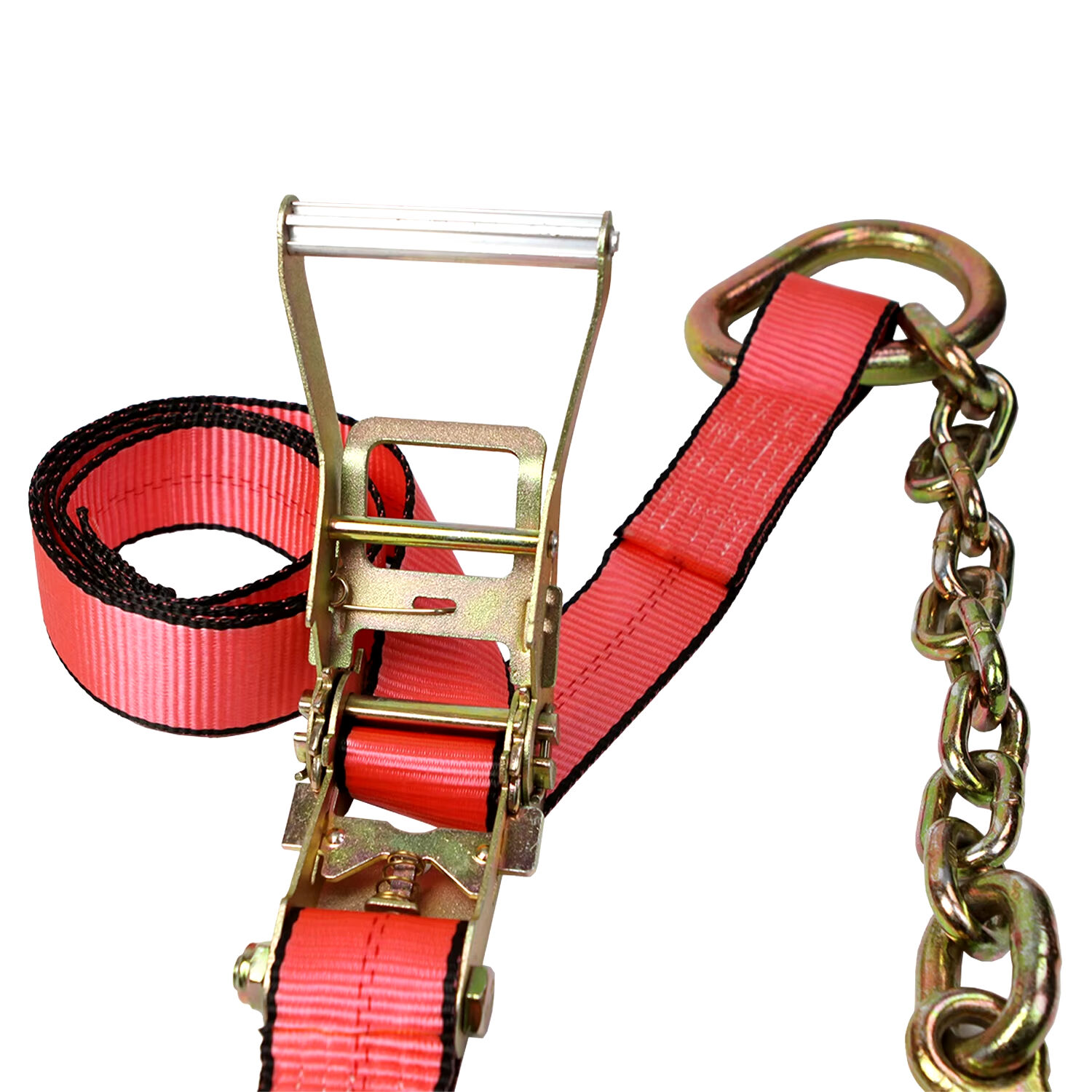
Heavy freight transport operates under strict regulatory frameworks, and load straps must meet those standards to be used legally and safely. Selecting load straps based solely on price or physical appearance is a mistake that can result in strap failure, cargo loss, equipment damage, or injury. This article breaks down the critical ratings that truly matter when choosing load straps for demanding transport applications, so you can make informed, safety-first decisions every time.
Core Rating Systems That Govern Load Straps
Working Load Limit and Its Role in Strap Selection
The Working Load Limit, commonly abbreviated as WLL, is the most important rating you will find on load straps. WLL defines the maximum force that load straps are designed to handle during normal, intended use. When you are securing heavy freight, you must calculate the total cargo weight and distribute that weight across enough load straps so that no single strap exceeds its individual WLL. Experienced operators always work below the WLL, never at the limit, to provide a safety buffer against road vibration and dynamic forces.
Load straps used for heavy freight typically carry WLL ratings ranging from 3,333 pounds to well above 10,000 pounds per strap. Choosing load straps with an insufficient WLL for the cargo weight is a critical error. Always verify the WLL label on load straps before use, and replace any load straps where the label has worn off or become illegible, as unlabeled load straps should never be trusted for heavy transport.
Break Strength Versus Working Load Limit
Break strength refers to the force at which load straps will physically fail under a controlled test. Load straps are not intended to operate anywhere near break strength — the WLL is typically set at one-third of the break strength, creating what is known as a 3:1 safety factor. This means load straps rated at 10,000 pounds WLL generally have a break strength near 30,000 pounds. Understanding this distinction helps operators recognize that load straps provide a substantial margin of reserve strength, but that margin must never be treated as usable working capacity.
Webbing and Hardware Specifications That Affect Performance
Webbing Width, Thickness, and Material Grade
Load straps are manufactured from polyester webbing, and the width and thickness of that webbing directly influence the strap's rated capacity. Wider load straps spread tension across a larger contact area, which reduces the risk of cutting into freight surfaces and improves overall holding force. Standard heavy-duty load straps for commercial freight use 2-inch or 4-inch wide webbing, with 2-inch load straps typically rated up to 10,000 pounds WLL when properly constructed. The polyester material used in quality load straps resists UV degradation, moisture, and stretching, which keeps the rated capacity reliable across repeated use cycles.
Load straps made from low-grade webbing may not consistently perform at their labeled ratings, especially after repeated stress cycles or prolonged outdoor exposure. When sourcing load straps for heavy freight, look for webbing that meets or exceeds WSTDA (Web Sling and Tie Down Association) standards or equivalent recognized industry specifications. This ensures the load straps deliver the performance their ratings promise.
Ratchet Mechanism and Hook Ratings
The ratchet mechanism and end hooks on load straps carry their own load ratings, and those hardware ratings must match or exceed the webbing WLL. A set of load straps with a 10,000-pound webbing rating attached to hooks rated at only 5,000 pounds creates a dangerous mismatch. The weakest component determines the effective rating of the entire assembly. Heavy freight operators should verify that load straps come as a tested, rated assembly rather than mixing components from different sources. Snap hooks, flat hooks, and D-ring hooks used on load straps each have distinct contact profiles that affect how force is transmitted to the anchor point, which is why the complete assembly rating matters.
Regulatory Standards and Compliance for Load Straps
DOT and FMCSA Requirements for Cargo Securement
In North America, the Federal Motor Carrier Safety Administration sets cargo securement rules that specify the minimum aggregate WLL that load straps must provide relative to freight weight. Under these rules, the total WLL of all load straps used must equal at least half the weight of the cargo being secured. For example, securing a 20,000-pound load requires load straps with a combined WLL of at least 10,000 pounds. Operators who use load straps without verifying aggregate WLL compliance risk regulatory fines and, more critically, cargo failures on public roads.
Load straps must also be inspected before every use according to regulatory guidelines. Damaged load straps — those showing cuts, fraying, chemical burns, heat damage, or deformed hardware — must be removed from service immediately. Keeping load straps in compliance is not simply about the initial purchase rating; it is an ongoing maintenance and inspection discipline that directly affects transport safety.
Inspection Criteria That Validate Load Strap Ratings
A freshly purchased set of load straps carries its rated capacity only when it is undamaged and properly maintained. Over time, even high-quality load straps accumulate wear. Operators should routinely inspect load straps for webbing abrasion, stitching integrity at the end loops, corrosion or deformation on ratchet bodies, and any cracking or bending on the hooks. Load straps showing any of these defects no longer reliably perform at their original rated capacity and must be replaced before use on heavy freight. Proper storage of load straps — away from direct sunlight, chemicals, and sharp objects — extends service life and preserves rating integrity.
FAQ
How many load straps are required to secure heavy freight legally?
The number of load straps required depends on the total cargo weight and the WLL of each strap. Regulatory rules state that the combined WLL of all load straps must be at least half the cargo weight. For heavy loads, operators typically use multiple load straps positioned at regular intervals across the freight to distribute tension evenly and meet compliance thresholds.
Can load straps with the same WLL be used on all freight types?
Not always. While load straps with matching WLL values share the same rated capacity, the hook type and webbing width affect suitability for specific freight. Flat or round objects, machinery, vehicles, and bundled materials each interact differently with load straps. Selecting load straps with appropriate hook profiles and webbing dimensions for the specific cargo type is important for both safety and freight surface protection.
What happens if load straps are overtightened beyond their rated capacity?
Overtightening load straps beyond their WLL does not improve cargo security — it accelerates webbing fatigue, stresses the ratchet mechanism, and increases the risk of strap failure during transit. Load straps are engineered to perform within their rated range. Applying excessive tension compromises the structural integrity of the load straps and may also damage the cargo surface or the tie-down anchor points on the vehicle.