 EN
EN

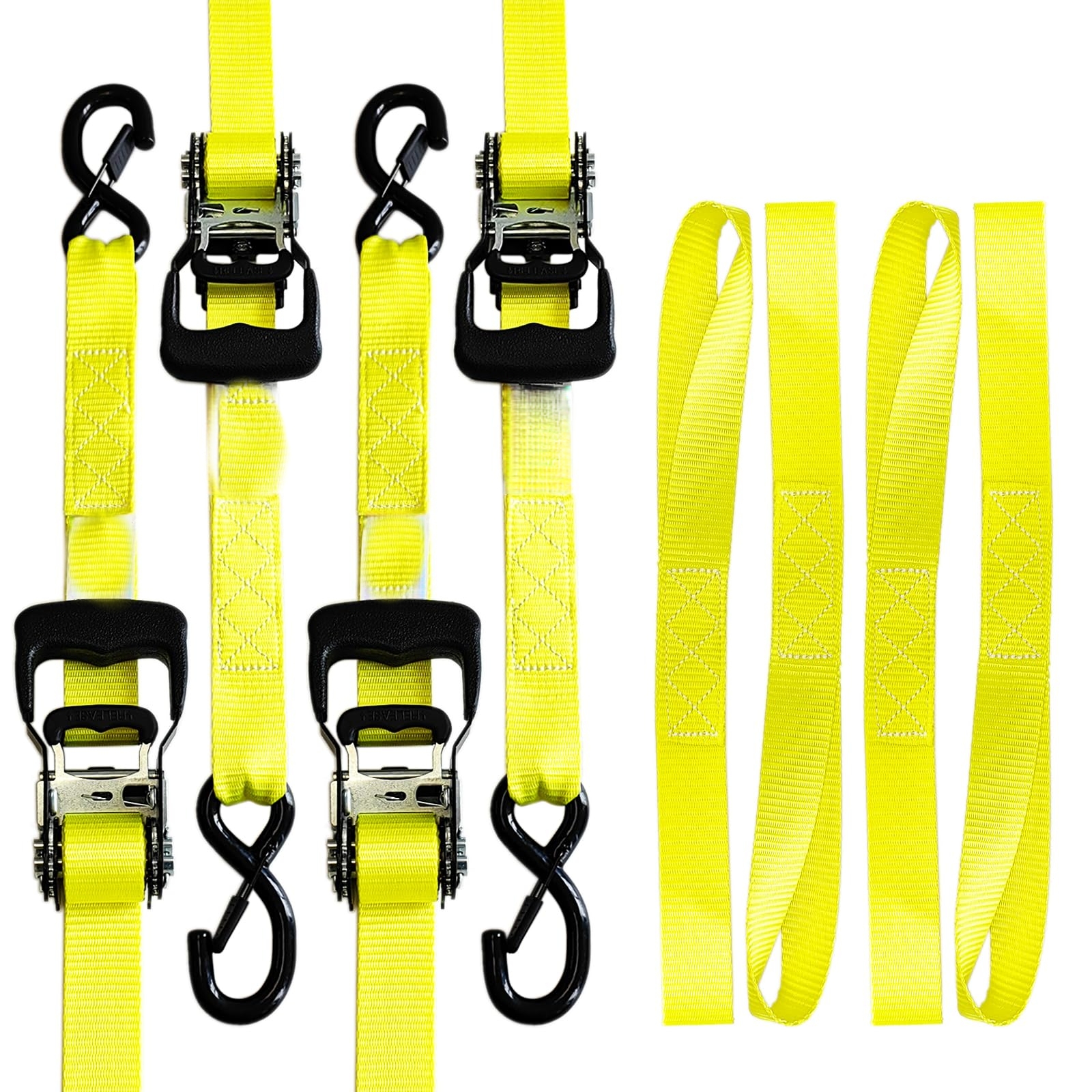
Every freight operator, truck driver, and logistics manager knows that load shifting during transit is one of the most serious risks on the road. When cargo moves unexpectedly inside a trailer or on a flatbed, the consequences range from damaged goods to catastrophic accidents. tie down straps are the primary tool used across industries to anchor cargo securely and eliminate dangerous movement before the vehicle ever leaves the loading dock.
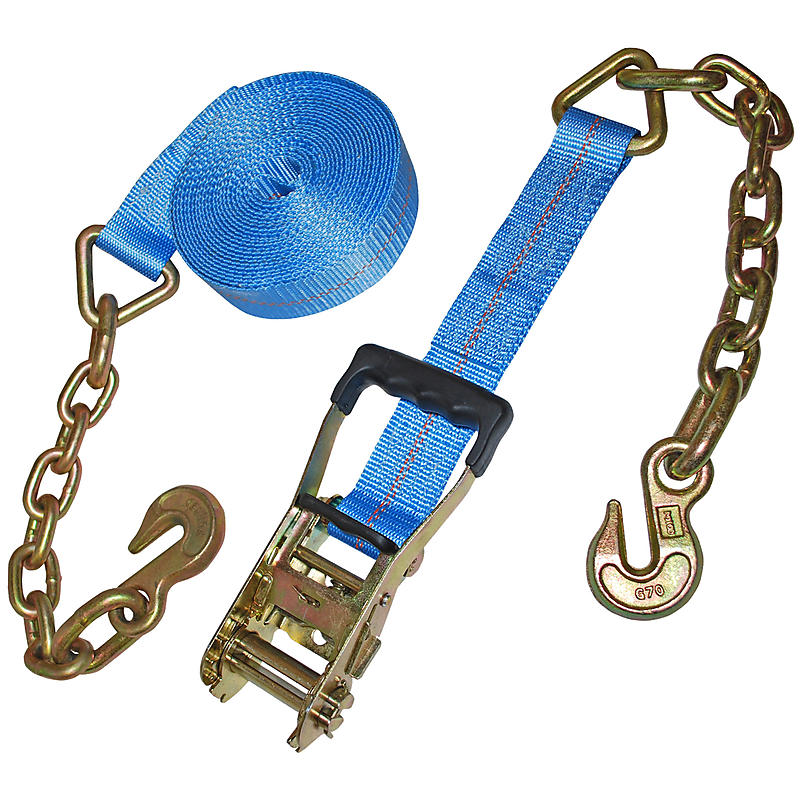
Understanding exactly how tie down straps prevent load shifting requires a look at both the physical mechanics involved and the practical methods used in real-world cargo securing. Tie down straps work by applying controlled tension across a load, distributing force evenly and keeping items pressed firmly against the truck bed or trailer floor. This guide breaks down the science, the methods, and the best practices that make tie down straps the cornerstone of safe freight transport.
The Mechanics Behind Tie Down Straps and Load Control
How Tension Creates Stability
The core principle behind tie down straps is tension management. When tie down straps are properly secured and tightened, they create a compressive force that holds the load against a stable surface. This prevents the cargo from sliding, bouncing, or tipping when the vehicle accelerates, brakes, or corners. Tie down straps essentially transform an unsecured, free-moving load into a unified, stable unit that moves with the vehicle rather than against it.
Ratchet-style tie down straps are especially effective because they allow the operator to incrementally increase tension until the desired holding force is achieved. The ratchet mechanism locks in that tension and maintains it throughout the journey. Unlike simple rope or bungee cords, tie down straps with ratchet mechanisms do not lose tension from vibration or flex, which is a critical advantage on long hauls or rough road surfaces.
Working Load Limits and Force Distribution
Every set of tie down straps carries a working load limit rating, which specifies the maximum force the strap can safely handle. Selecting tie down straps with the appropriate working load limit for the cargo weight is essential. Under-rated tie down straps may stretch, slip, or even break under dynamic road forces, while correctly rated tie down straps maintain consistent tension and load control. Distributing tie down straps evenly across the load — rather than concentrating them at a single point — also ensures that pressure is spread over a wider area, reducing the risk of cargo deformation and strap failure.
Practical Methods for Using Tie Down Straps Effectively
Straight, Over, and Cross-Strap Configurations
Tie down straps can be applied in several configurations depending on the cargo type and the direction of anticipated forces. A straight-down configuration positions tie down straps vertically over the load, which is effective for preventing vertical bounce on flatbeds. An over-center configuration runs tie down straps diagonally across the top of the cargo, creating both vertical and horizontal restraint simultaneously. Cross-strapping, where tie down straps form an X pattern, is ideal for preventing lateral shifting on loads that are taller than they are wide.
For heavy equipment and machinery, tie down straps are often combined with anchor chains and wheel chocks, but the tie down straps themselves handle the fine-tuned tension that keeps machinery frames from flexing or shifting under load. Understanding which configuration to use is as important as choosing the right tie down straps for the job.
Anchor Point Selection and Strap Placement
Tie down straps are only as effective as the anchor points they connect to. Properly rated anchor points — those built into the truck bed or trailer sidewalls — must be used to ensure tie down straps can transmit their holding force into the vehicle structure. Using inadequate anchor points negates the performance of even the highest-rated tie down straps. Operators should also ensure that tie down straps are not placed over sharp edges or abrasive surfaces, which can cut into the webbing and reduce the strap's holding capacity over time. Edge protectors and corner guards paired with tie down straps significantly extend strap life and maintain consistent load security.
Selecting the Right Tie Down Straps for Your Cargo
Material, Width, and Hook Type Considerations
Tie down straps are manufactured in various webbing materials, widths, and lengths to match different cargo types and transport environments. Polyester webbing is the most common material for tie down straps because it resists stretching, UV degradation, and moisture absorption, all of which maintain consistent tension performance during transit. A wider strap — such as a 50mm tie down strap — distributes force over a greater surface area, making it suitable for heavier loads and reducing pressure concentration on cargo surfaces.
Hook type is another critical factor when choosing tie down straps. J-hooks are widely used for flatbed applications because they attach quickly to standard anchor slots. Double J-hook tie down straps offer additional security by providing two engagement points, reducing the risk of accidental release during transit. For enclosed trailers, flat hooks or wire hooks on tie down straps provide a lower-profile connection that fits within tighter spaces without snagging other cargo.
Maintenance and Inspection of Tie Down Straps
Even the best tie down straps will fail prematurely if they are not properly inspected and maintained. Before each use, operators should visually check tie down straps for fraying, cuts, chemical staining, or signs of UV damage. The ratchet mechanisms on tie down straps should be tested for smooth operation and checked for corrosion or debris that may prevent proper tensioning. Storing tie down straps away from direct sunlight and moisture when not in use significantly extends their service life and ensures they perform reliably when it matters most.
FAQ
How many tie down straps are needed to secure a load safely?
The number of tie down straps required depends on the weight and dimensions of the load, as well as applicable transport regulations. A general industry guideline is to use a minimum of four tie down straps for loads exceeding a certain weight threshold, with additional tie down straps added as load weight increases. Always consult freight securement regulations relevant to your region to determine the exact requirements for your cargo type.
Can tie down straps be reused after securing a heavy load?
Tie down straps can be reused provided they pass a thorough inspection after each use. If tie down straps show any signs of damage, significant wear, or reduced elasticity in the webbing, they should be retired immediately. Regularly inspected and properly stored tie down straps can deliver many cycles of reliable use, making them a cost-effective cargo securing solution for ongoing transport operations.
What is the difference between ratchet tie down straps and cam buckle tie down straps?
Ratchet tie down straps use a mechanical ratchet mechanism to apply and lock high tension, making them suitable for heavy or large cargo that requires firm, consistent holding force. Cam buckle tie down straps use a simpler friction-based buckle that tightens by hand and is better suited for lighter, more fragile loads where over-tensioning could cause damage. Choosing between these two types of tie down straps should be based on the weight of the cargo and the tension required to keep it secure during transit.