 EN
EN

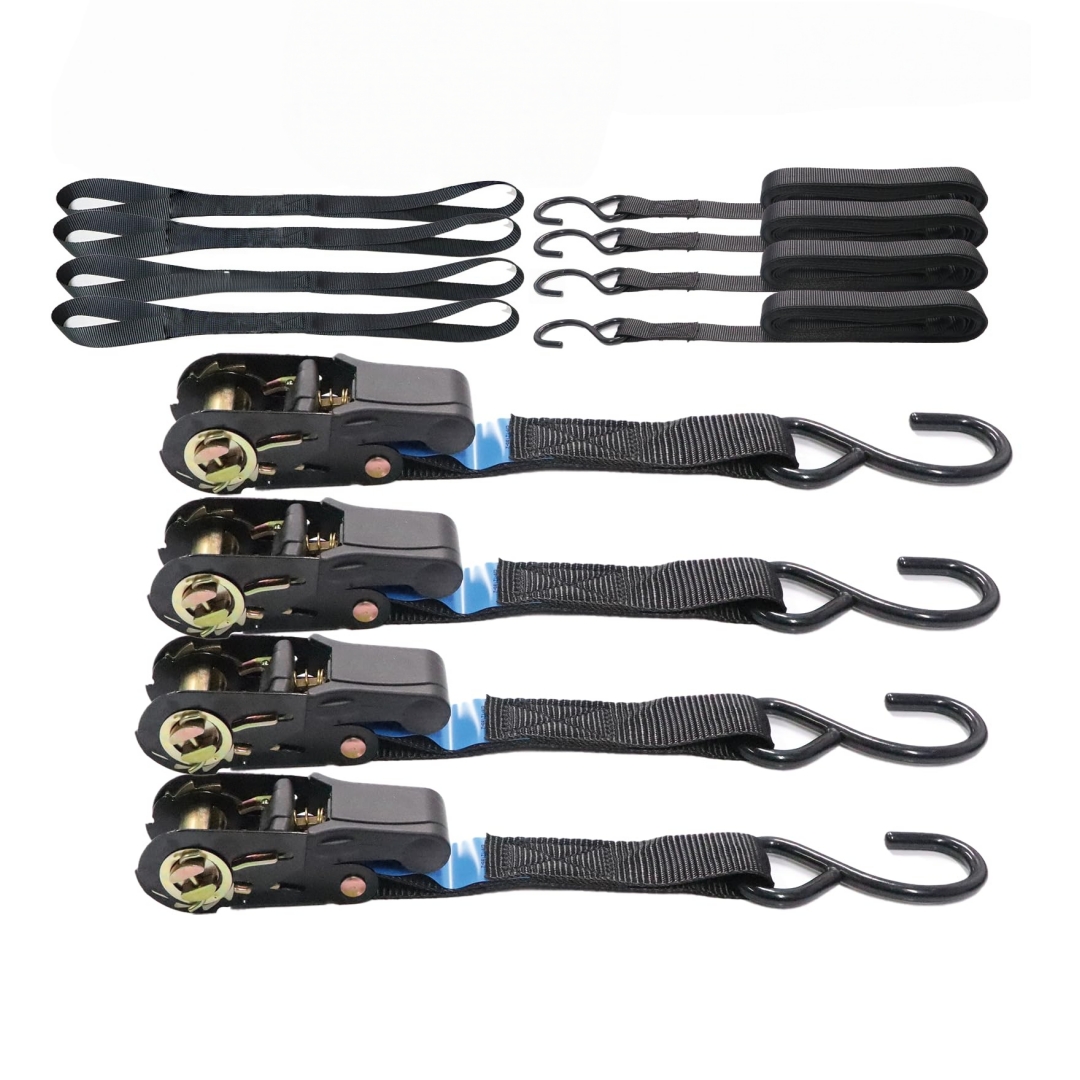
A lashing belt is one of the most critical tools in cargo securing, and its reliability depends entirely on its physical condition. Before every use, every operator who handles a lashing belt has a professional responsibility to confirm that it is structurally sound and load-ready. Skipping this inspection step is not a minor oversight — it can lead to load shifts, road accidents, and serious liability. Understanding how to inspect a lashing belt correctly is a foundational skill for anyone working in transport, logistics, or heavy freight.
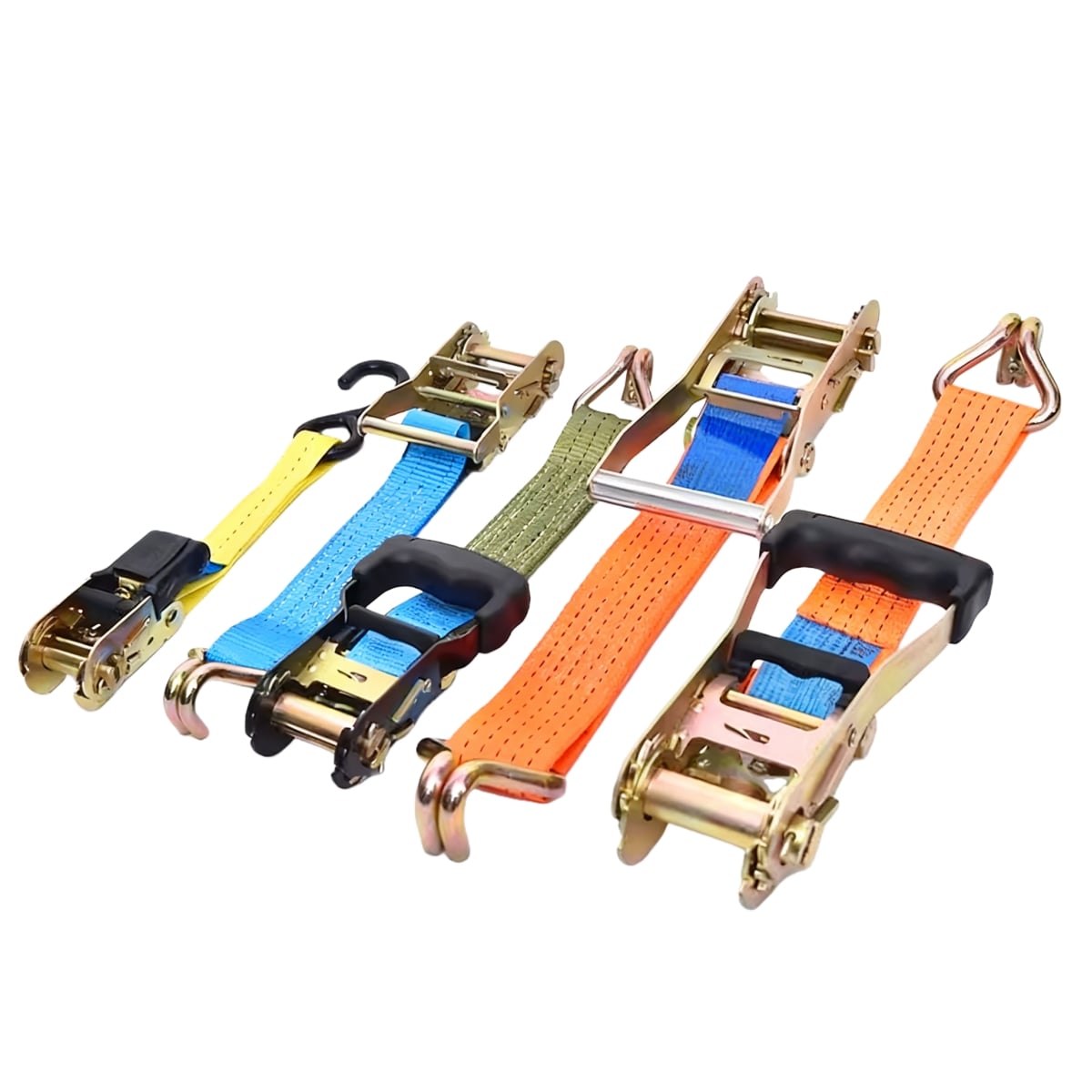
Inspecting a lashing belt is not a complicated task, but it must be systematic and thorough. A lashing belt that passes a casual glance may still carry hidden damage that compromises its rated load capacity. This guide walks through the exact steps and signs to look for when evaluating whether a lashing belt is safe for continued use, from webbing integrity to hardware condition and label legibility. Knowing when to keep a lashing belt in service and when to retire it protects both cargo and personnel.
Visual Inspection of the Webbing
Surface Damage and Fiber Breakdown
The webbing is the core load-bearing component of any lashing belt. Begin by laying the lashing belt flat and running your hands along the entire length of the strap while visually scanning both sides. Look for cuts, nicks, abrasion marks, and fraying. A lashing belt with cuts deeper than the surface layer of fibers must be removed from service immediately, regardless of how minor they appear. Surface abrasion that thins the webbing width or exposes internal yarns is equally disqualifying.
Pay close attention to the edges of the lashing belt, as edge wear is particularly common where the strap contacts sharp cargo corners or metal railings. A lashing belt with thinning edges loses tensile strength faster than its center, and edge damage is often underestimated during quick field inspections. If the lashing belt shows white powdering, which indicates UV degradation of polyester fibers, it should be tested and likely retired from high-load applications.
Chemical and Heat Damage
A lashing belt used in industrial or chemical transport environments is also at risk of fiber degradation from exposure to acids, solvents, or extreme heat. Discoloration, stiffness, brittleness, or a waxy texture on the lashing belt webbing are signs of chemical contamination. Heat-damaged lashing belt webbing often appears shiny, melted at edges, or fused along fold lines. Any lashing belt showing these symptoms must be retired, as material testing in field conditions is not feasible and the risk is too high.
Hardware Condition Assessment
Hooks, Buckles, and Ratchet Mechanism
The hardware on a lashing belt carries the tensioning load and interfaces directly with anchor points. Every hook on a lashing belt must be inspected for deformation, cracks, and corrosion. A hook that has been bent, even slightly, has exceeded its elastic limit and is no longer reliable. The safety latch on each hook must snap shut fully and hold under light manual pressure. A lashing belt with a non-functioning latch is unsafe for any load application.
For ratchet-style lashing belt assemblies, the ratchet mechanism must engage and release smoothly without sticking or skipping. Examine the pawl and gear teeth of the lashing belt ratchet for wear, corrosion, and debris buildup. A ratchet that does not lock cleanly at each position cannot provide consistent tension, which undermines the entire purpose of the lashing belt. Clean the mechanism if contamination is present, but replace the lashing belt assembly if mechanical damage is confirmed.
Stitching at Termination Points
The stitched loops at each end of a lashing belt are the weakest mechanical link if they are damaged. Inspect the stitching area of every lashing belt carefully for broken threads, pulled seams, or visible separation between layers. The stitching on a lashing belt should be uniform, tight, and free of any signs of unraveling. Even partial thread breakage in the lashing belt loop area significantly reduces the safe working load and warrants immediate removal from use.
Label and Load Rating Verification
Reading the Compliance Label
Every compliant lashing belt must carry a permanently attached label showing the lashing belt's safe working load, lashing capacity, and relevant standard compliance such as EN 12195-2 or similar regional norms. If the label on a lashing belt is missing, illegible, or damaged beyond reading, that lashing belt cannot be used in professional cargo securing operations. The label is not just informational — it is a regulatory requirement in most jurisdictions and a core traceability document for fleet operators.
Check that the rated capacity shown on the lashing belt label matches the actual load requirements for the job. Using a lashing belt rated below the cargo weight is a direct safety violation. Operators should also confirm that the lashing belt standard matches the applicable transport regulation for the route, whether road, rail, or maritime. A lashing belt that meets standards for one mode may not satisfy requirements for another.
Service History and Inspection Records
Professional transport operations maintain service logs for each lashing belt in their fleet. A lashing belt that has no traceable service record, or one that was recovered from unknown storage conditions, should be treated with caution. The age of a lashing belt matters because polyester webbing degrades over time even under storage conditions. Most industry guidance recommends retiring a lashing belt after a defined service period, typically measured in years, even if no visible damage is present. When in doubt, do not use the lashing belt.
FAQ
How often should a lashing belt be formally inspected?
A lashing belt should receive a full inspection before each use at a minimum. In professional fleet operations, a lashing belt should also undergo a documented periodic inspection, typically quarterly or annually, by a qualified person. Any lashing belt that has been subjected to shock loading or unusual stress must be inspected immediately before further use, regardless of schedule.
Can a lashing belt be repaired if damage is found?
In most cases, a damaged lashing belt should not be repaired and returned to load-bearing service. Webbing repairs are not structurally reliable without factory-level reweaving, and hardware replacements on a lashing belt may not restore the original rated capacity. The safest and most compliant approach is to retire a damaged lashing belt and replace it with a new unit that carries a full compliance label and traceable load rating.
What is the correct way to store a lashing belt to extend its service life?
A lashing belt should be stored in a clean, dry location away from direct sunlight, moisture, and chemicals. Coil or roll the lashing belt loosely to avoid permanent creasing in the webbing. Never store a lashing belt in contact with sharp tools, battery acid, or oily surfaces. Proper storage reduces UV degradation and chemical exposure, which are two of the main factors that shorten lashing belt service life between inspections.