 EN
EN

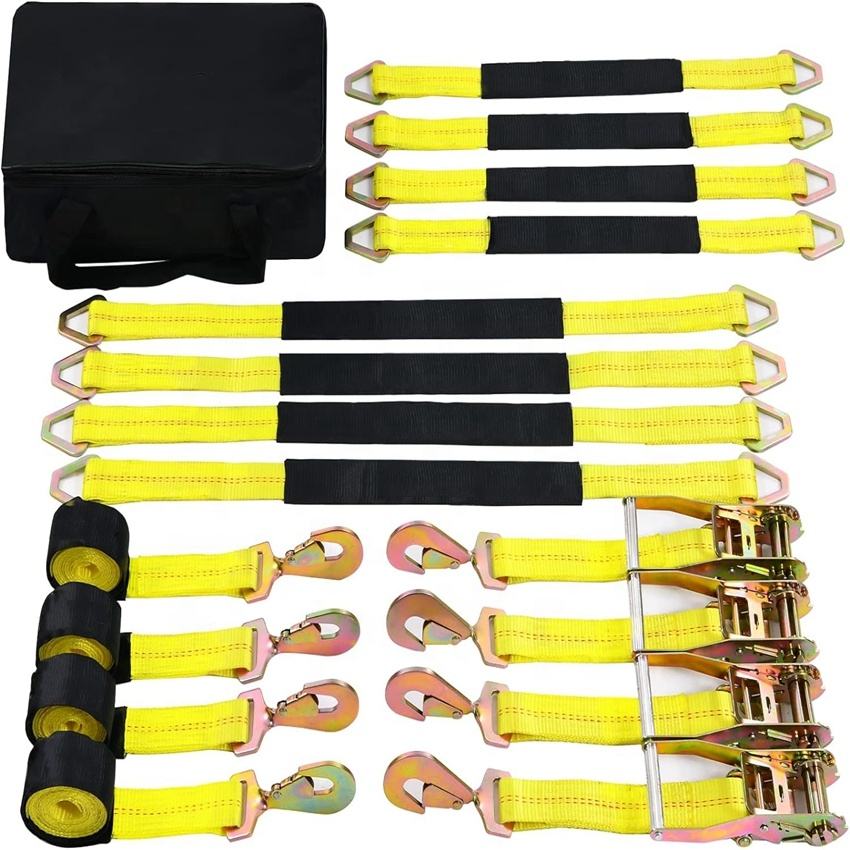
Securing heavy loads during transport is one of the most critical responsibilities in logistics, freight, and industrial hauling. Whether you are moving machinery, construction materials, or palletized goods on a flatbed truck, choosing the right restraint system matters enormously. lashing straps are among the most widely trusted tools for this purpose, but knowing exactly when to use them separates safe, compliant cargo handling from costly, dangerous mistakes.
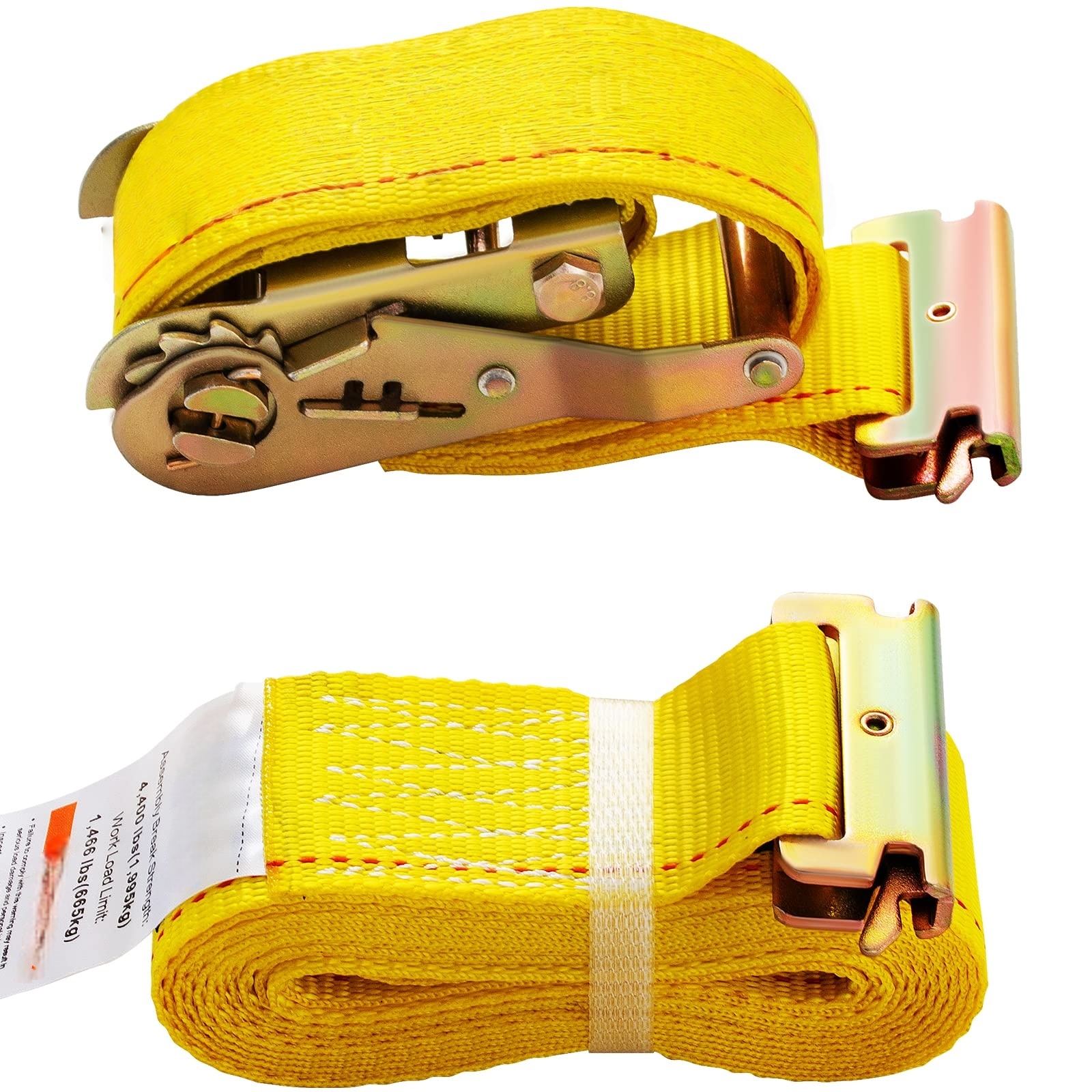
Lashing straps are engineered textile restraints designed to anchor, stabilize, and immobilize cargo during road, rail, or sea transport. They come in various widths, lengths, and breaking strengths, and they are typically paired with ratchet tensioners or cam buckles to achieve controlled, reliable tension. Understanding the specific conditions where lashing straps perform best will help operators, fleet managers, and logistics professionals make smarter, safer decisions every time they prepare a load for transit.
Load Types Best Suited for Lashing Straps
Heavy and Irregularly Shaped Cargo
Lashing straps are particularly effective when securing heavy, dense, or irregularly shaped cargo that cannot be contained by standard strapping alone. Items such as steel coils, large engine blocks, agricultural equipment, and industrial compressors benefit greatly from lashing straps because the wide webbing distributes tension evenly across the load surface. This reduces the risk of pressure points that could damage the cargo or cause strap failure during transit. When the load weight exceeds 500 kg per unit, heavy-duty lashing straps with rated working load limits of 2000 kg or more are strongly recommended.
Palletized and Bundled Goods
Lashing straps are also the right choice for palletized freight or bundled materials that need lateral and longitudinal restraint simultaneously. Loose bundles of pipes, timber, or structural steel are prime candidates for lashing straps because these loads tend to shift, roll, or spread during braking and cornering. Using lashing straps across and around such bundles creates a cross-pattern restraint that locks the shape of the load and prevents dangerous movement. In this context, lashing straps serve as both a containment tool and a safety barrier between the cargo and other road users.
Transport Conditions That Call for Lashing Straps
Long-Distance Road Hauling
Long-distance road transport subjects cargo to repeated vibration, acceleration, deceleration, and lateral forces over extended periods. Standard rope or chain may loosen progressively under these dynamic conditions, but lashing straps combined with ratchet tensioners maintain consistent tension throughout the journey. When haul distances exceed 200 kilometers or routes include highway driving, mountain roads, or rough terrain, lashing straps provide a level of sustained restraint that other methods cannot reliably match. Operators should inspect lashing straps at every rest stop on long hauls to verify tension and webbing condition.
Open Flatbed and Drop-Side Truck Loading
Open flatbed trailers, drop-side trucks, and lowboy platforms expose cargo directly to wind resistance and road vibration, making lashing straps an essential part of any load plan. Unlike enclosed containers where walls provide passive restraint, open transport relies entirely on the restraint system. Lashing straps anchored to D-rings, stake pockets, or chassis tie-down points create a tensioned network that holds cargo firmly against the deck. This is especially important when transporting construction equipment, vehicles, or oversized loads where movement could create serious road hazards.
Regulatory and Safety Triggers for Using Lashing Straps
Compliance with Load Securing Standards
Many countries and transport authorities have established minimum standards for cargo securing, and lashing straps are often the specified solution in these regulations. Standards such as EN 12195-2 in Europe define the required working load limits, elongation properties, and labeling requirements for lashing straps used in professional transport. When a shipment must comply with documented cargo securing plans, particularly in cross-border or commercial freight operations, lashing straps with proper certification markings are not optional — they are mandatory. Using certified lashing straps protects operators from liability and ensures loads meet insurance and customs requirements.
Risk Assessment Outcomes Requiring Positive Restraint
A formal or informal risk assessment that identifies high tipping risk, high slide risk, or cargo with an unfavorable center of gravity should always lead to the selection of lashing straps as the primary restraint method. Loads with a height-to-base ratio greater than 1:1, or cargo positioned near the rear of an open trailer, are particularly vulnerable to tipping or shifting. In these situations, lashing straps applied in an over-lashing configuration — running directly over the top of the load from one side of the vehicle to the other — provide the downward force needed to prevent lift and lateral movement. The geometry and tension of lashing straps can be calculated and documented to satisfy regulatory inspectors and safety auditors.
FAQ
How many lashing straps do I need for a heavy load?
The number of lashing straps required depends on the weight, size, and shape of the cargo, as well as the type of transport and the working load limit of the lashing straps being used. As a general guideline, the combined working load limit of all lashing straps securing a single item should be at least half the gross weight of that item in standard over-lashing configurations. Always refer to the applicable cargo securing standard for your transport type and region to determine the correct number and arrangement of lashing straps.
Can lashing straps be used for sea freight containers?
Yes, lashing straps can be used inside sea freight containers to prevent internal cargo movement during ocean transit. Container loads face multi-directional forces from ship motion, and lashing straps anchored to container lashing rings or floor channels help stabilize pallets, machinery, and boxed goods. However, lashing straps used in sea freight applications must meet the specific working load and material requirements for marine environments, including resistance to moisture and salt exposure. Always confirm that the lashing straps selected are rated and labeled for the intended application.
What is the difference between ratchet lashing straps and cam buckle lashing straps?
Ratchet lashing straps use a mechanical ratcheting mechanism to apply high, controlled tension, making them suitable for heavy loads that require firm, consistent restraint. Cam buckle lashing straps use a simpler friction-based buckle that limits the maximum tension achievable, which makes them better suited for lighter or more delicate cargo where over-tensioning could cause damage. For heavy-duty transport applications involving loads above 500 kg, ratchet lashing straps are the preferred choice because they deliver the consistent clamping force needed to keep heavy cargo secure throughout the journey.