 EN
EN

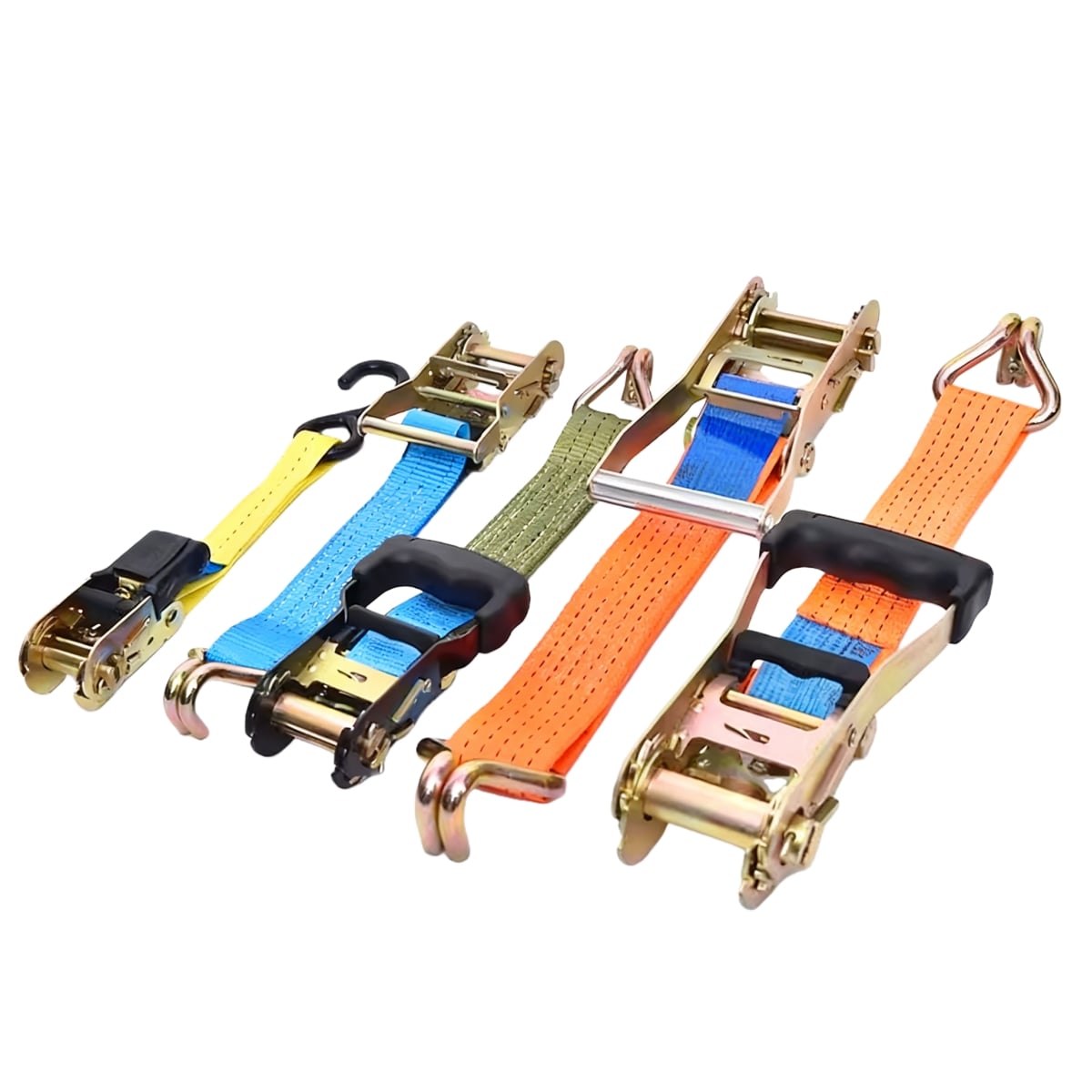
A lashing belt is one of the most reliable tools available for securing cargo during road, rail, or sea transport. When freight shifts unexpectedly in transit, it can damage goods, injure handlers, and create serious liability for carriers. Understanding how a lashing belt works mechanically is the first step toward using it correctly and consistently on every shipment.
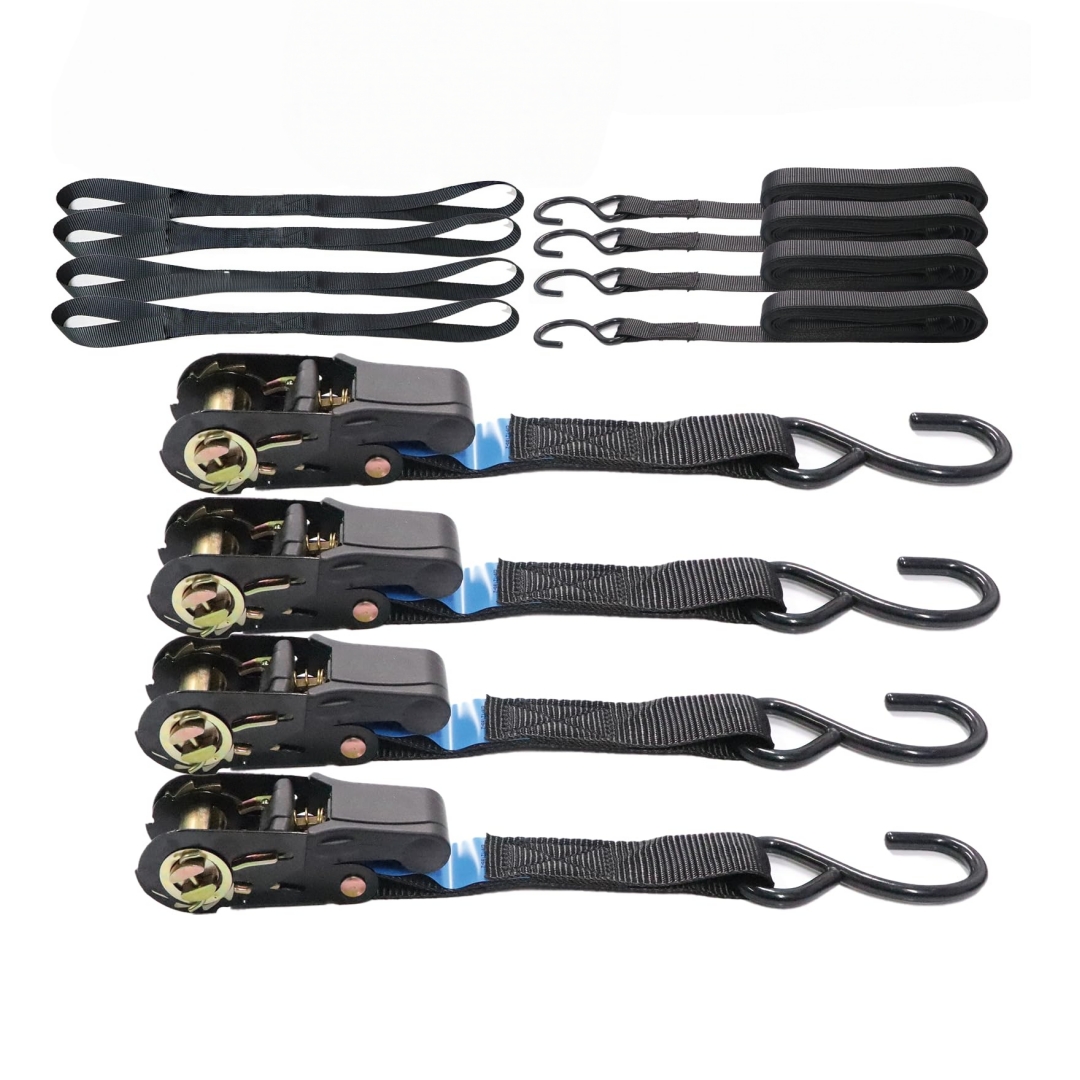
Every lashing belt works by converting tensile force into a controlled clamping effect across the cargo surface. The webbing material, the ratchet mechanism, and the anchor points all work together to create a stable restraint system. When each component functions as intended, the lashing belt holds freight firmly against movement from acceleration, braking, cornering, and vibration throughout the entire journey.
The Mechanics Behind a Lashing Belt
How Tension Transfers Into Cargo Restraint
The fundamental function of a lashing belt is to apply consistent tension across a load. When a driver applies the ratchet, the lashing belt draws the webbing tighter in controlled increments. This tightening process compresses the cargo against the floor or sidewall of the transport vehicle, creating friction that resists lateral and longitudinal movement. The lashing belt essentially converts mechanical advantage from the ratchet into holding force that exceeds what manual tightening alone could achieve.
Polyester webbing is the most common material used in a lashing belt because it combines high tensile strength with low elasticity. Low stretch is critical because a lashing belt that elongates significantly under load will lose tension over time, reducing its ability to prevent cargo shift. Quality polyester webbing in a lashing belt also resists UV degradation and moisture absorption, keeping performance consistent across varied operating environments.
The Role of Anchor Points and Load Distribution
A lashing belt only performs correctly when its anchor points are positioned properly relative to the cargo. The hooks or fittings at each end of the lashing belt must engage with certified anchor rails, e-track slots, or rated tie-down rings. When a lashing belt is anchored diagonally across a load, it creates both downward and lateral restraint simultaneously. This dual-direction tension is what makes a well-rigged lashing belt significantly more effective than a purely vertical strap arrangement.
Load distribution across a lashing belt also depends on how evenly the webbing contacts the cargo surface. A lashing belt pulled over a sharp edge concentrates stress at one point, risking webbing damage and uneven force application. Using edge protectors with a lashing belt spreads the contact area, protects the webbing, and maintains uniform tension across the full width of the strap. This detail often separates professional cargo securement from improvised approaches.
Types of Cargo Shift a Lashing Belt Prevents
Longitudinal and Lateral Movement
Longitudinal cargo shift happens when a vehicle brakes or accelerates, pushing freight forward or backward. A correctly tensioned lashing belt counteracts this by maintaining enough friction between the cargo base and the vehicle floor that the load cannot slide freely. The lashing belt achieves this by generating a normal force that multiplies the effective friction coefficient of the cargo interface. Even a single lashing belt applied at the correct angle can significantly reduce forward displacement during emergency braking.
Lateral shift is caused by cornering forces and road camber. A lashing belt routed over the top and secured to both sides of the cargo compartment resists this type of movement directly. When two or more lashing belt straps are used in an over-the-top configuration, the combined lateral restraint is proportional to the total working load limit of the arrangement. Drivers and logistics professionals often underestimate lateral forces on sharp curves, making a properly rated lashing belt essential for those routes.
Vertical Bounce and Combined Forces
Road vibration and surface irregularities produce vertical bounce, which can gradually walk cargo out of position even when it appears secure. A lashing belt under consistent tension damps this vertical motion by keeping the cargo pressed firmly against the load surface. The ratchet mechanism in a quality lashing belt maintains pre-set tension even as the vehicle passes over bumps, preventing the incremental loosening that leads to cargo drift over long hauls.
In practice, cargo shift rarely results from a single force direction. Combined forces from braking, cornering, and vertical bounce act simultaneously, making a multi-point lashing belt arrangement the most effective solution. When each lashing belt in a securing system is tensioned correctly and anchored to rated points, the system resists this combined loading without failure throughout a typical transport cycle.
Best Practices for Using a Lashing Belt Effectively
Selecting the Right Working Load Limit
Choosing the correct lashing belt rating for the cargo weight is non-negotiable. Each lashing belt carries a marked working load limit that defines the maximum force it should resist in normal use. A lashing belt selected below the required rating will be overloaded before it can fully prevent cargo shift. Always calculate the total cargo weight, identify the number of lashing belt straps needed to meet the securing requirement, and verify that each lashing belt used meets or exceeds its share of the load restraint demand.
A lashing belt rated at 1500 lbs working load limit, such as a 2-inch polyester webbing ratchet strap, is well suited to medium-density cargo in commercial transport and pickup truck applications. Using multiple lashing belt straps across a single load provides redundancy, meaning that if one lashing belt loses tension due to shifting, the others continue to hold. Redundancy is a core principle in professional cargo securement planning.
Inspection, Tensioning, and Compliance
A lashing belt must be inspected before every use. Check each lashing belt for cuts, fraying, chemical staining, or deformed hardware. A damaged lashing belt should be removed from service immediately regardless of its apparent remaining strength. Webbing that appears intact can still have internal fiber damage from overloading that is invisible from the surface, making routine inspection of every lashing belt a professional and legal obligation.
After the lashing belt is applied, re-check tension after the first few miles of travel. Cargo settlement and initial webbing relaxation are normal, and a lashing belt that was correctly tensioned at the dock may need retightening after the load settles. Many transport regulations also require documented inspection intervals for lashing belt use on regulated freight, making compliance an active process rather than a one-time task at loading.
FAQ
How many lashing belt straps are needed for a standard cargo load?
The number of lashing belt straps required depends on the total cargo weight and the working load limit of each lashing belt. A general rule is that the combined working load limit of all lashing belt straps must meet or exceed the total cargo restraint force needed. For most commercial applications, a minimum of two lashing belt straps is the starting point, with heavier or longer loads requiring additional lashing belt coverage at regular intervals along the cargo length.
Can a lashing belt be reused after it has been overloaded?
No. A lashing belt that has been subjected to forces beyond its working load limit must be retired from service. Even if the lashing belt webbing shows no visible damage, internal fiber failure may have occurred, reducing the lashing belt strength significantly below its marked rating. Using a previously overloaded lashing belt creates a serious risk of failure during the next application, potentially causing cargo shift, injury, or accident.
What is the correct angle for applying a lashing belt over cargo?
The most effective lashing belt angle is typically between 35 and 65 degrees from vertical when using an over-the-top configuration. A lashing belt applied at a very shallow angle provides less downward force, reducing friction against the cargo base. A lashing belt applied at a steeper angle increases the vertical component of the restraint force, improving anti-shift performance. Always route the lashing belt so it contacts the cargo cleanly without sharp edges, and use edge protectors where necessary to preserve lashing belt integrity.