 EN
EN

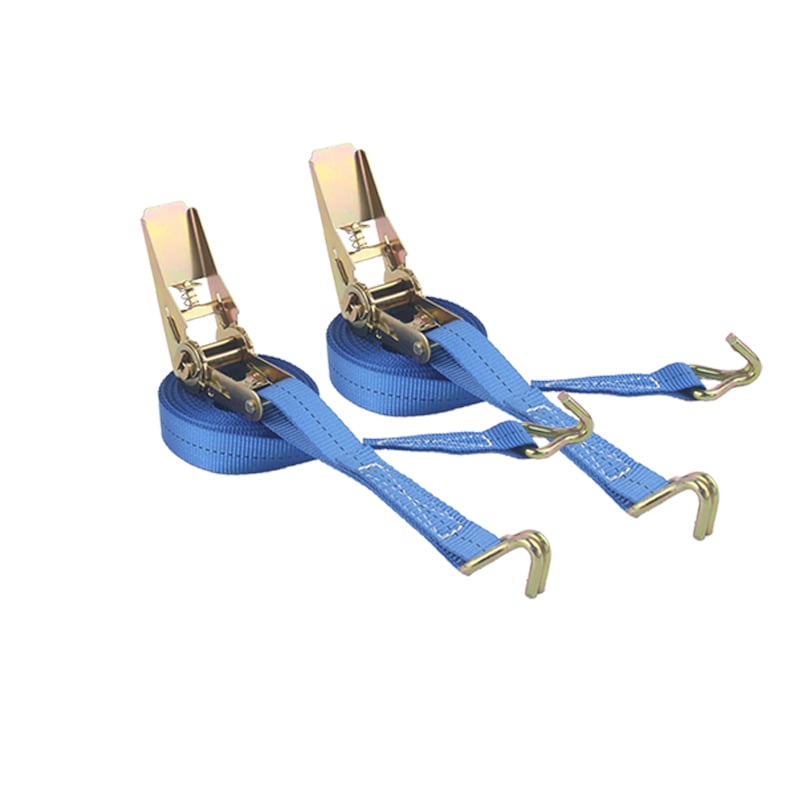
Properly positioning a motorcycle strap is one of the most critical steps in ensuring your bike remains stable and secure during transport. Whether you're hauling your motorcycle across state lines or moving it to a storage facility, the way you position and tension your motorcycle strap directly impacts both the safety of your vehicle and the integrity of your bike. Many riders underestimate the importance of correct motorcycle strap placement, assuming that simply tightening the straps will suffice. However, the actual technique involves understanding load distribution, anchor point selection, and tension balance to create a secure hold that prevents shifting, swaying, and potential damage during transit.
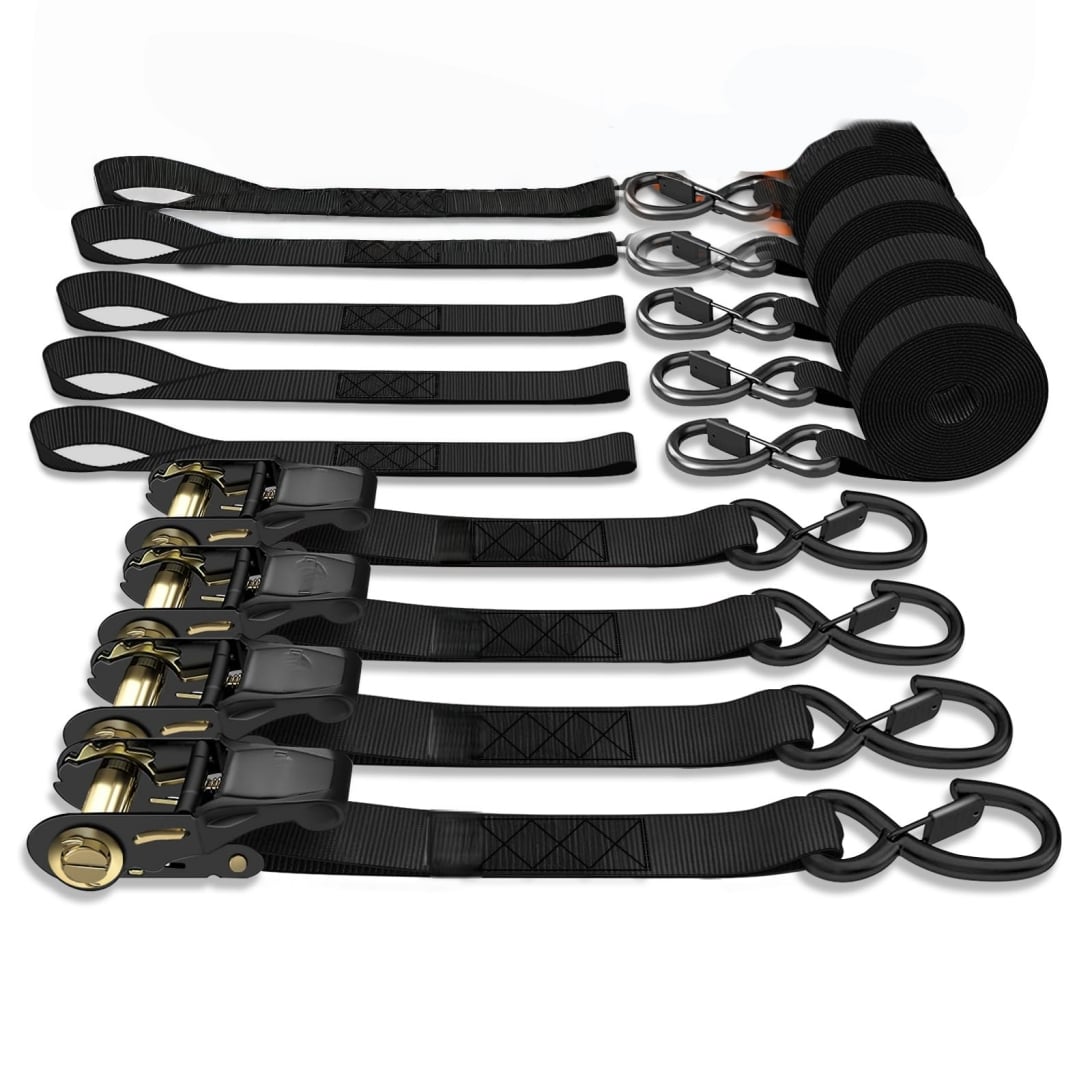
The foundation of effective motorcycle strap positioning lies in understanding that your bike must be anchored at multiple points to prevent any form of movement. A motorcycle strap alone cannot guarantee safety if it's positioned incorrectly or attached to weak anchor points. This guide walks you through the essential principles of motorcycle strap placement, helping you master the technique and transport your motorcycle with confidence.
Understanding Anchor Point Selection and Load Distribution
Identifying Safe Anchor Points on Your Motorcycle
When positioning a motorcycle strap, your first priority is locating appropriate anchor points on your bike that are engineered to handle transportation loads. Most motorcycles feature frame anchor points, swingarm pivot areas, and designated tie-down locations designed specifically for this purpose. Never wrap a motorcycle strap around plastic bodywork, handlebars, or fuel tanks, as these components will break under sustained tension during transport. The frame rails and structural components are your safest choices. A motorcycle strap should always connect from the frame to the trailer or truck bed, distributing weight evenly across rigid structural elements that can bear the load without deformation.
Strategic Load Balancing Across Multiple Straps
Professional transport techniques require using at least two or three motorcycle strap anchor points to balance load distribution. Front-to-rear positioning prevents forward and backward tilt, while strategic side positioning prevents lateral swaying. If you're using a single motorcycle strap, position it at the centerline of your bike's frame to maintain straight alignment. When deploying multiple straps, create a triangulated anchor pattern that mirrors the motorcycle's weight distribution. Each motorcycle strap should bear an equal share of the load rather than one strap carrying the majority of tension. This approach not only improves stability but also reduces stress on individual anchor points and extends the life of your motorcycle strap.
Proper Tension and Angle Positioning Techniques
Achieving Optimal Motorcycle Strap Tension
Tension control is where most riders make critical mistakes with their motorcycle strap setup. Excessive tension can bend frames, crack welds, and damage engine mounts, while insufficient tension allows dangerous movement during transit. The correct motorcycle strap tension should be firm enough to eliminate visible movement when you push on the bike, but loose enough that you can still move the motorcycle strap by hand approximately one-quarter inch. Think of it as hand-tight plus one quarter turn. Before finalizing any motorcycle strap positioning, walk around your bike and physically test for movement at multiple points. If the rear wheel shifts laterally or the frame rocks forward, your motorcycle strap tension requires adjustment.
Angle and Direction Alignment for Stability
The angle at which you position your motorcycle strap significantly influences its holding power. Ideally, your motorcycle strap should travel at a downward angle from the anchor point to the trailer eye, roughly between thirty and forty-five degrees. This angle creates mechanical advantage that keeps the motorcycle pinned against the trailer bed. If your motorcycle strap runs too vertically, it pulls upward rather than securing the bike horizontally. Conversely, if it angles too steeply downward, it may not provide adequate forward-backward stability. When positioning a motorcycle strap on different bike styles, adapt the angle to account for the bike's center of gravity. Cruisers sit lower and may require different angle adjustment than sport bikes or adventure motorcycles.
Advanced Stabilization Methods for Maximum Security
Using Multiple Motorcycle Strap Configurations
Professional transport specialists often recommend a four-point motorcycle strap configuration for maximum security, particularly for high-value bikes or long-distance hauling. This involves positioning a motorcycle strap at the front-left and front-right frame points, then repeating the pattern at rear anchor locations. Each motorcycle strap should be independently tensioned and checked before departing. Some riders use a diagonal motorcycle strap configuration, running one strap from the front-left to the rear-right anchor and another from front-right to rear-left. This cross pattern creates exceptional lateral stability and prevents rotational shifting that can occur with parallel strap positioning. Regardless of which pattern you choose, always verify that every motorcycle strap connects to frame components, never to plastic body parts or cosmetic trim.
Preventing Movement During Transport
Beyond positioning your motorcycle strap correctly, you must implement additional stabilization techniques to prevent movement. Place wheel chocks or specialized motorcycle wheel blocks at the front and rear to eliminate forward and backward rolling. Use soft blocking materials between the bike and trailer to absorb vibration and prevent micromovement that gradually loosens your motorcycle strap over time. After positioning your motorcycle strap and allowing the bike to settle, perform a secondary tension check at the two-hour mark of transport. Straps naturally loosen as materials settle and materials expand or contract with temperature changes. A motorcycle strap that felt perfectly tensioned at departure might require one additional quarter-turn after the initial settling period. This proactive approach prevents the dangerous gradual loosening that can occur during extended transport.
FAQ
What is the most common mistake riders make when positioning a motorcycle strap?
The most frequent error is over-tightening the motorcycle strap, assuming that maximum tension equals maximum security. Over-tensioned motorcycle strap setups can warp frames, crack welds, and damage critical mounting points. Riders often don't account for the considerable force generated during transport and fail to realize that proper motorcycle strap positioning relies on balanced tension across multiple anchor points rather than extreme tightness on a single strap. Learning the hand-tight-plus-quarter-turn technique prevents this common damage scenario.
Can a motorcycle strap be positioned on the handlebars or fuel tank?
Absolutely not. A motorcycle strap must never wrap around handlebars, fuel tanks, or plastic bodywork because these components lack the structural integrity required for transportation loads. The strap will crush plastic fairings, bend handlebars out of alignment, and potentially rupture the fuel system. Always position your motorcycle strap to connect only to frame rails, frame anchor points, and structural components that are explicitly designed to handle securing loads during transport.
How often should tension be checked during long-distance transport?
Check your motorcycle strap tension at minimum every two hours during transport, and always perform a comprehensive inspection after the first hour. Materials settle, temperatures fluctuate, and vibration gradually loosens even properly positioned motorcycle strap systems. Professional transport companies check tension at every fuel stop and rest interval. During extended transport exceeding eight hours, verify your motorcycle strap positioning every few hours to maintain optimal security and prevent the gradual loosening that occurs naturally during long journeys.