 EN
EN

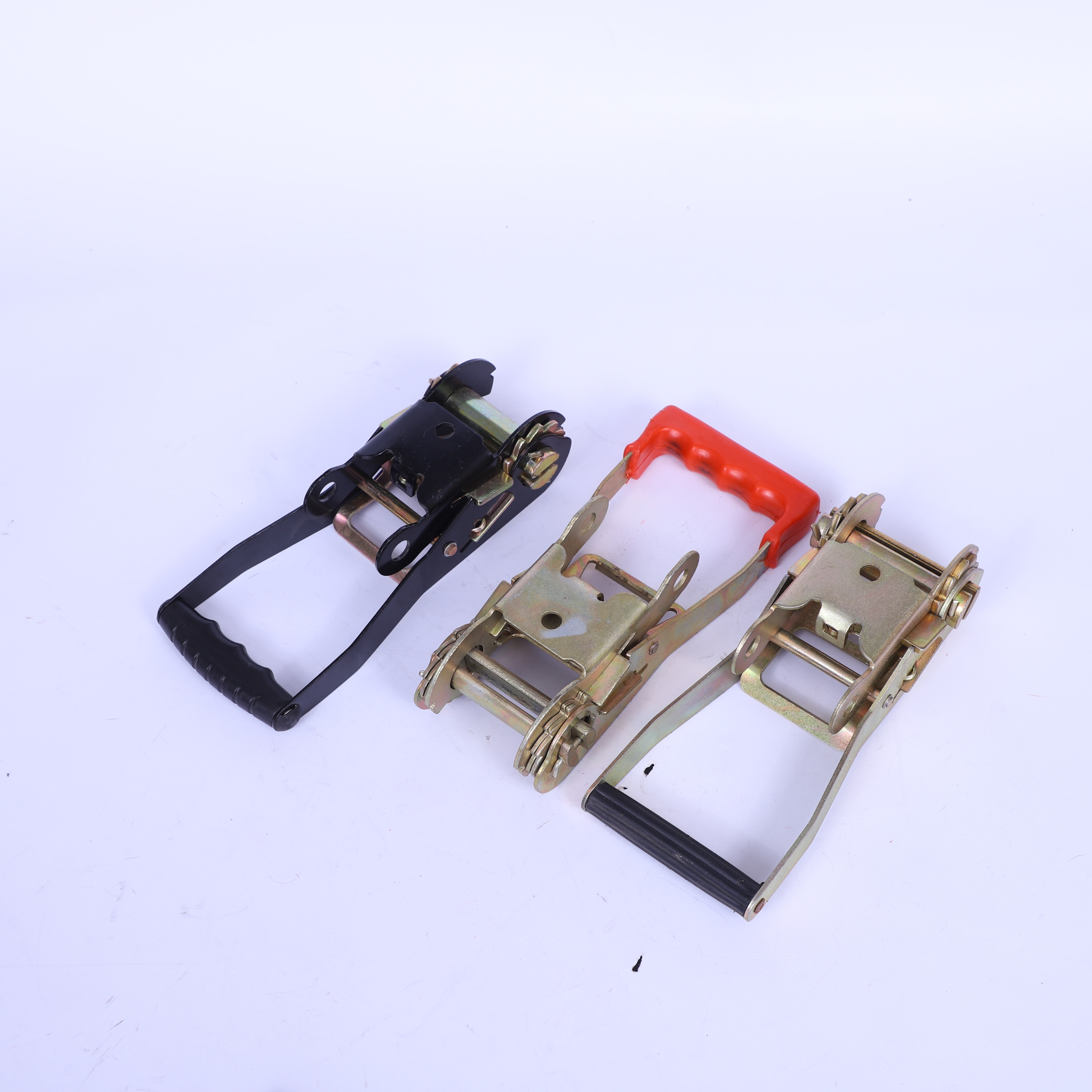
Securing heavy freight requires precision, and one of the most critical aspects of cargo safety is understanding how tight tie down straps should be. Many logistics professionals, truck operators, and warehouse managers face confusion about the correct tension level. Too loose, and cargo shifts during transit; too tight, and you risk damaging goods, straps, or the vehicle structure. The challenge lies in finding that balanced tension point where tie down straps hold cargo securely without causing harm. This article explores the science, standards, and practical methods for achieving optimal tension with tie down straps on every haul.
The right tension for tie down straps depends on several factors: cargo weight, strap material, vehicle type, and trip conditions. Industrial standards and transportation regulations provide frameworks, but real-world application requires both knowledge and feel. Understanding load-holding principles helps operators apply tie down straps with confidence and consistency, reducing accidents and cargo damage across supply chains.
Understanding Load-Holding Principles for Tie Down Straps
The Physics of Cargo Securement with Tie Down Straps
Every tie down straps configuration must overcome three primary forces: longitudinal force (braking and acceleration), lateral force (cornering and road curvature), and vertical force (bumps and road irregularities). Tie down straps work by creating friction between cargo and the vehicle deck, and by locking the load mechanically using hooks, rings, or edge protectors. The tension in tie down straps directly determines their ability to resist these forces. When tie down straps are too loose, friction becomes insufficient, and cargo begins to shift under normal driving conditions. When tie down straps are excessively tight, stress concentrates on weak points: strap attachment hardware, cargo corners, and vehicle bed surfaces.
How Tension Affects Friction and Hold Capacity
Friction between cargo and vehicle surface increases proportionally with the downward force applied by tie down straps. The friction coefficient for wood-on-wood or metal-on-wood combinations typically ranges from 0.3 to 0.7, meaning a 1000-pound load may require 300 to 700 pounds of downward pressure to prevent sliding. Properly tensioned tie down straps should compress the cargo slightly against the vehicle deck, creating what experts call 'load distribution'. This compression spreads weight evenly and maximizes friction across contact surfaces. The goal with tie down straps is not maximum tension but rather calculated tension that balances load security with material safety limits.
Industry Standards and Regulations for Tie Down Straps Tension
DOT and FMCSA Guidelines on Tie Down Straps
The Federal Motor Carrier Safety Administration (FMCSA) and Department of Transportation (DOT) set minimum standards for tie down straps in commercial transportation. The regulations require that tie down straps prevent cargo from shifting more than 6 inches in any direction, measured from its original position during normal driving conditions. However, regulations do not specify exact tension values for tie down straps, recognizing that different cargo types and configurations require different approaches. Instead, DOT rules mandate that operators calculate cargo weight and select tie down straps with sufficient breaking strength. For example, if total cargo weight is 5000 pounds, and you use four tie down straps, each strap should have a working load limit of at least 1250 pounds to meet safety margins. Modern tie down straps typically feature printed working load limits, making this calculation straightforward.
Working Load Limits and Safety Factors
Working load limit (WLL) is the maximum force that tie down straps can safely handle under normal conditions. Quality tie down straps carry a safety factor between 4 and 6, meaning their breaking strength is four to six times higher than their working load limit. When applying tension to tie down straps, never exceed the printed working load limit, even if the strap appears undamaged. Experienced operators know that the goal is functional tension, not maximum tension. A good rule for tie down straps: apply enough pressure that the cargo bed feels stable under your hand, and the strap shows slight resistance when you push it. This practical approach aligns with engineering principles without requiring complex equipment.
Practical Methods for Achieving Optimal Tie Down Straps Tension
The Hand-Feel Method for Tie Down Straps
Many logistics professionals rely on the 'hand-feel' method to tension tie down straps correctly. After securing a tie down straps over cargo, apply hand pressure perpendicular to the strap midpoint. The strap should compress slightly but resist your full hand pressure; it should not feel loose like a guitar string, nor should it feel rock-solid and immovable. Experienced operators develop intuition over time, recognizing the proper resistance point that indicates functional tension in tie down straps. This method works well for standard shipping scenarios with palletized goods or uniform loads. However, for odd-shaped cargo or extremely heavy loads exceeding 3000 pounds per tie down straps, supplementary verification is recommended.
Ratchet Strap Tension Verification and Load Testing
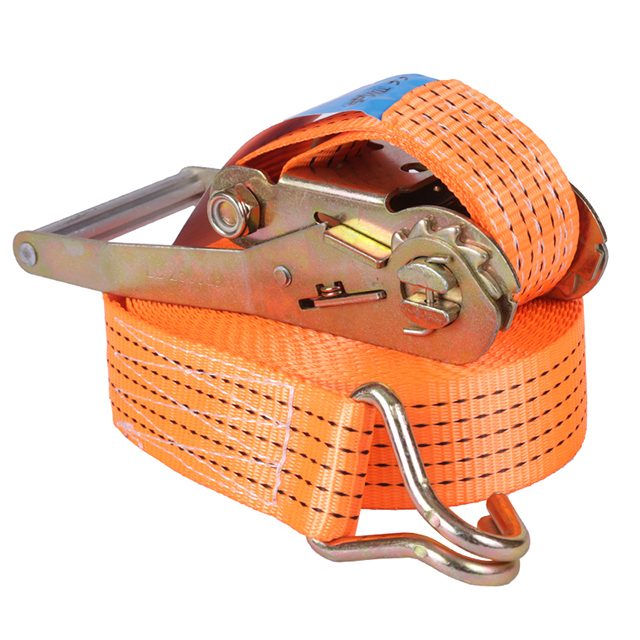
Ratchet-style tie down straps offer a mechanical advantage for tension control. When using ratchet tie down straps, turn the ratchet handle until the strap becomes snug, then perform one final half-turn to ensure secure loading. Never over-crank ratchet tie down straps, as this common mistake damages strap webbing and strains attachment points. Some logistics centers use load monitoring devices or strain gauges for high-value cargo or hazardous materials requiring precise tension documentation. These devices measure actual tension in tie down straps and ensure compliance with specific standards. For most general freight operations, manual verification remains the practical standard. The key principle: tie down straps should feel firm with controlled pressure, never strained or loose.
Environmental and Cargo Factors Affecting Tie Down Straps Tension
Weather conditions, cargo material, and vehicle type influence how tightly you should apply tie down straps. Cold temperatures reduce material elasticity, requiring slightly higher tension in tie down straps to maintain secure grip over long hours. Conversely, summer heat may require reduced tension to prevent strap material from stretching excessively. Soft cargo like textiles or cushioned products requires gentler tension from tie down straps to prevent compression damage, while metal or wooden freight tolerates higher tension. On smooth-deck vehicles, tie down straps may need increased tension due to reduced friction, whereas on textured or rubberized decks, slightly less tension in tie down straps may suffice. Professional operators adjust their approach based on these variables, ensuring tie down straps perform reliably under real-world conditions.
Common Mistakes in Applying Tie Down Straps
Over-Tightening and Under-Tensioning Errors
The most frequent mistake occurs when operators over-tighten tie down straps, believing maximum tension equals maximum safety. This reasoning is flawed and dangerous. Over-tensioned tie down straps concentrate stress on attachment hardware, can crush fragile items, and may cause permanent webbing damage. The stress concentrates at hook attachment points, potentially causing failure exactly where the strap should hold strongest. Conversely, under-tensioned tie down straps create false security; cargo appears secured but shifts under acceleration or cornering. Operators sometimes make this error on short routes, thinking casual tension in tie down straps suffices. Testing shows that improperly tensioned tie down straps account for significant cargo losses. Professional training emphasizes the middle ground: functional tension that controls cargo without excess force.
Mismatched Tie Down Straps and Load Capacity
Another critical error involves using tie down straps with insufficient working load limits for the cargo weight. Some operators use light-duty tie down straps rated for 1000 pounds on 2000-pound loads, assuming multiple straps compensate. This assumption fails because each strap experiences the full force during emergency maneuvers. Using heavy-duty tie down straps rated above load requirements provides safety margin and ensures function at proper tension levels. Always verify tie down straps specifications before loading, checking that total working load limit (sum of all straps) exceeds cargo weight by at least 100 percent. This practice protects both cargo and equipment from stress failures common in under-spec tie down straps applications.
FAQ
How do I know if my tie down straps are tight enough?
Test tie down straps tension by applying firm hand pressure perpendicular to the strap at its midpoint. The strap should compress slightly but resist your pressure noticeably. If the strap feels loose or easily moves, increase tension immediately. If the strap feels rock-hard or immovable, you may have over-tightened. Properly tensioned tie down straps should show slight resistance and feel secure without straining. For ratchet tie down straps, one full turn of the ratchet handle after achieving snugness indicates correct tension for most freight applications.
What is the working load limit and why does it matter for tie down straps?
Working load limit (WLL) is the maximum safe force that tie down straps can handle, printed on every quality strap. It differs from breaking strength, which is four to six times higher due to built-in safety factors. Exceeding the working load limit of tie down straps risks sudden failure and cargo loss. Always select tie down straps where the combined WLL of all straps exceeds your total cargo weight by at least 100 percent. This ensures each strap operates at comfortable tension levels with adequate safety margin, preventing overload scenarios that compromise the entire securement system.
Can temperature affect how tight tie down straps should be?
Yes, temperature significantly impacts tie down straps performance. Cold conditions reduce material elasticity, causing tie down straps to become brittle and less forgiving of tension variations. In freezing weather, apply slightly firmer tension to tie down straps to compensate for reduced flexibility and maintain grip throughout your journey. Heat increases elasticity but may cause tie down straps to stretch over time, potentially losing tension on long hauls. In summer conditions, check tie down straps tension midway through extended trips. Seasonal adjustments to your tie down straps tension approach protect cargo across climate variations common in continental transportation routes.