 EN
EN

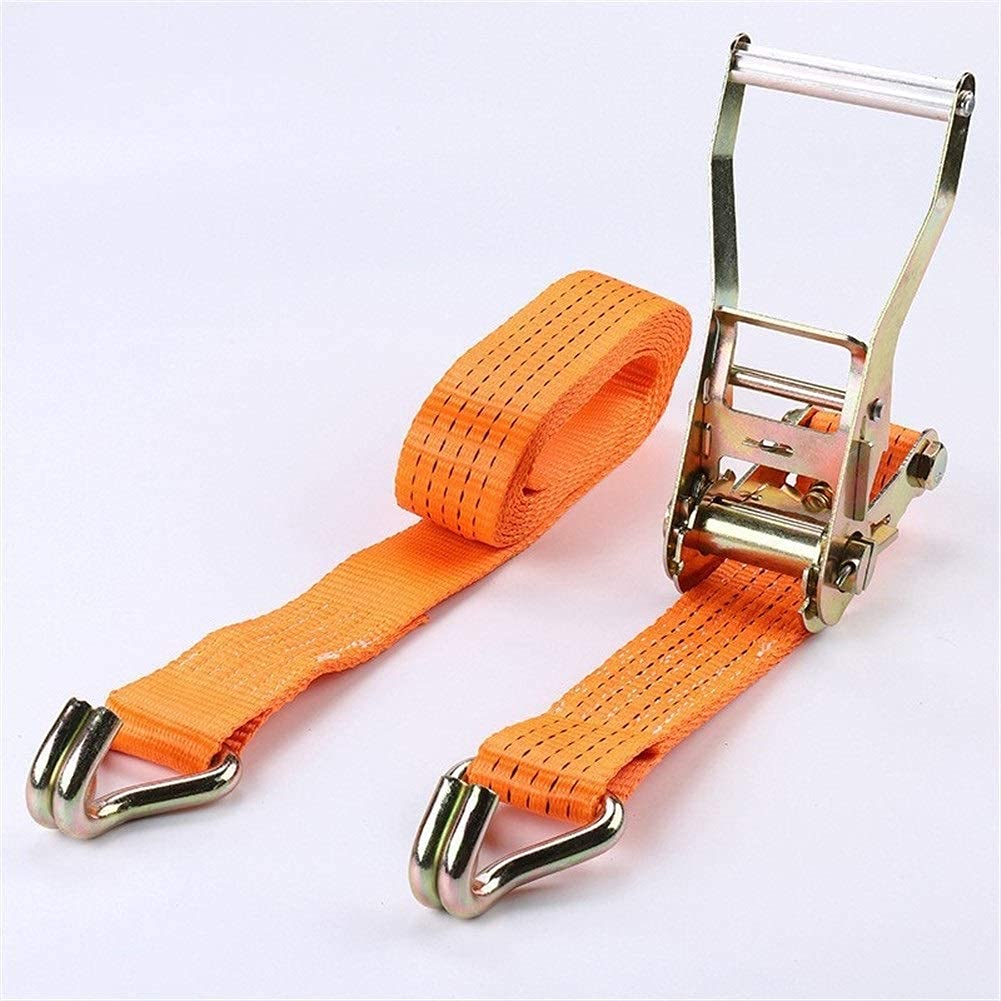
A cargo belt is a heavy-duty strapping device engineered to hold freight, goods, and equipment firmly in place during transportation. Whether you are moving loads on a flatbed truck, inside a cargo van, or on a trailer, a cargo belt provides the restraining force needed to prevent shifting, tipping, or damage. Understanding what a cargo belt is and how it works is essential for anyone involved in logistics, freight transport, or load management.
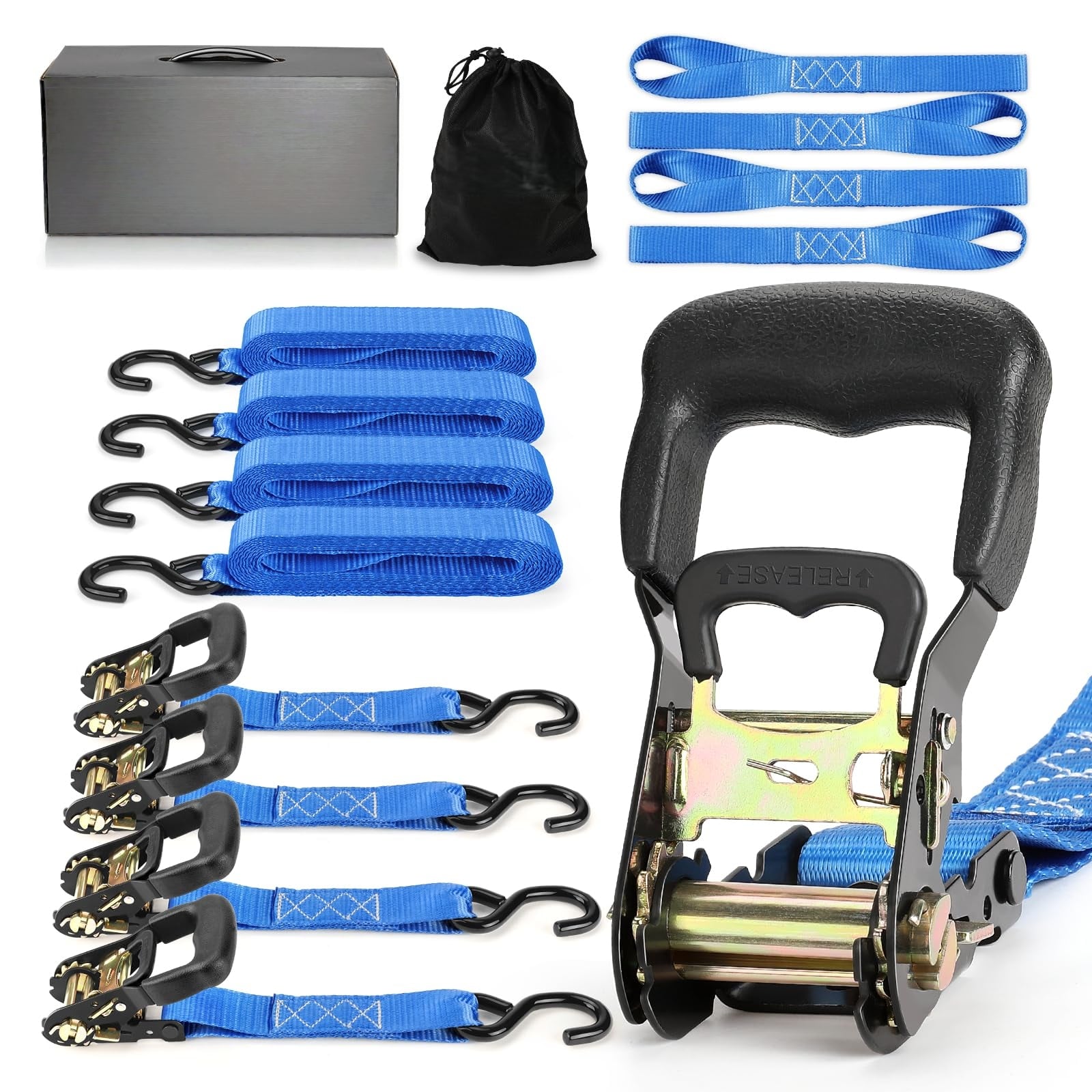
The cargo belt market offers a wide variety of designs, each suited to specific load types and vehicle configurations. From basic flat-hook ratchet straps to e-track compatible cargo belt systems, the right choice depends on load weight, cargo dimensions, and the securing points available on your vehicle. This guide explores the definition, mechanics, and practical application of the cargo belt to help you make better decisions about load security.
What a Cargo Belt Is and Its Core Components
Definition and Basic Structure of a Cargo Belt
A cargo belt is a webbing-based restraint tool used to tie down freight during transport. It typically consists of a woven polyester or nylon strap, a tensioning mechanism such as a ratchet or cam buckle, and end fittings like hooks, loops, or e-track connectors. The cargo belt works by looping over or around a load and then tightening through its buckle mechanism until the strap creates firm, even pressure against the cargo surface. This compression prevents the cargo from moving laterally, vertically, or forward under braking or turning forces.
Polyester webbing is the most common material used in a cargo belt because it resists stretching, tolerates moisture, and maintains consistent tension even under vibration. A standard cargo belt is rated by its working load limit, which indicates the safe tensioning force the strap can apply. Choosing a cargo belt with the correct load rating is critical for both safety and regulatory compliance.
Types of Cargo Belt Designs
The most widely used cargo belt type in professional transport is the ratchet strap. A ratchet cargo belt uses a gear-and-pawl mechanism to tighten the webbing incrementally, allowing the operator to build strong, controlled tension without overstraining the strap. Another common cargo belt type is the cam buckle strap, which is lighter and faster to release but delivers lower tension, making it suitable for lighter freight. E-track cargo belt systems are increasingly popular for enclosed trailers and cargo vans because they allow quick attachment to fixed rail systems installed on vehicle walls and floors.
How a Cargo Belt Secures Loads During Transport
The Mechanics of Load Restraint
A cargo belt secures a load through one or more of three methods: direct tie-down, over-the-top tie-down, and cross tie-down. In a direct tie-down, the cargo belt connects the load directly to anchor points on the vehicle floor, preventing horizontal movement. In an over-the-top method, the cargo belt passes over the load and anchors on both sides, applying downward compression that locks the cargo against the vehicle deck. In a cross configuration, two cargo belt straps form an X pattern over the load, resisting both lateral and longitudinal movement simultaneously.
The effectiveness of a cargo belt depends not only on its tension but on the number of straps used and their placement. A single cargo belt may be sufficient for a small, compact item, while larger or irregularly shaped freight may require multiple cargo belt straps positioned at key balance points. Proper cargo belt placement ensures that the restraining force is distributed evenly across the load, avoiding pressure concentration that could damage goods or cause strap failure.
Tension, Angle, and Anchor Points in Cargo Belt Use
Applying a cargo belt correctly requires attention to strap angle. When a cargo belt runs at a steep angle rather than horizontally, its effective horizontal restraint force decreases. Transport professionals aim to position each cargo belt as close to horizontal as possible to maximize restraint efficiency. Anchor points must also be rated to match or exceed the cargo belt working load limit, since an undersized anchor point can fail even when the cargo belt itself holds firm.
Ratcheting a cargo belt too tightly is another risk to avoid. Over-tensioning can compress fragile cargo, cause strap wear, and damage vehicle anchor fittings. The best practice is to tighten the cargo belt until the webbing is taut with no slack, then verify that the load does not shift when pushed from multiple directions. A correctly applied cargo belt will feel firm but not strained.
Practical Applications and Selection Guidance for a Cargo Belt
Industries and Scenarios That Rely on Cargo Belt Systems
The cargo belt is a standard tool across multiple industries. Construction companies use a cargo belt to secure equipment, lumber, and building materials on flatbed trucks. Automotive transport operators rely on a cargo belt to restrain vehicles on car haulers. Furniture and appliance retailers use a cargo belt inside delivery vans to prevent items from shifting during city driving. Agricultural operations depend on a cargo belt to hold machinery attachments and harvest equipment safely during road transport.
In each of these scenarios, the cargo belt performs a critical safety function. A load that shifts during transport can cause driver loss of control, damage to cargo, and serious injury. Regulations in many jurisdictions require cargo belt use on commercial vehicles carrying unsecured freight, making proper cargo belt selection and application both a practical and legal obligation.
Choosing the Right Cargo Belt for Your Application
When selecting a cargo belt, start by calculating the total weight of the load and matching it to the combined working load limit of the cargo belt straps you plan to use. Consider the vehicle type and available anchor points, since this determines whether a flat-hook cargo belt, e-track cargo belt, or loop-end cargo belt is the right fit. For high-vibration environments like flatbed highway transport, a ratchet cargo belt offers superior tension retention compared to cam buckle alternatives.
Webbing width is another cargo belt selection factor. A 2-inch cargo belt provides significantly more contact area and restraint force than a 1-inch strap, making it the preferred choice for heavy-duty loads. Always inspect a cargo belt before use for cuts, fraying, UV degradation, or bent hardware. A damaged cargo belt should be retired immediately, as compromised webbing can fail suddenly under transport stress.
FAQ
What is the difference between a cargo belt and a regular tie-down strap?
A cargo belt is essentially a category of tie-down strap designed specifically for securing freight in transit. The term cargo belt often refers to wider, higher-capacity straps used in professional transport contexts, sometimes with specialized end fittings like e-track connectors. A regular tie-down strap may refer to lighter-duty options used for recreational or household moving. The core function is the same, but a cargo belt is typically built to tighter performance and load rating standards suited for commercial use.
How many cargo belt straps are needed to secure a load?
The number of cargo belt straps required depends on the load weight, dimensions, and center of gravity. As a general guideline, one cargo belt is recommended for every 10 feet of cargo length, and the combined working load limit of all cargo belt straps used should meet or exceed the total load weight. For irregular or top-heavy cargo, additional cargo belt straps placed at lateral and diagonal angles improve overall stability.
Can a cargo belt be used on wet or outdoor loads?
Yes, most polyester cargo belt products are designed to perform reliably in wet and outdoor conditions. Polyester webbing resists moisture absorption and does not weaken significantly when wet, unlike some natural fiber straps. However, prolonged UV exposure can degrade a cargo belt over time. It is good practice to store a cargo belt out of direct sunlight when not in use, and to inspect the webbing regularly for signs of UV damage, discoloration, or stiffness that may indicate reduced strength.