 EN
EN

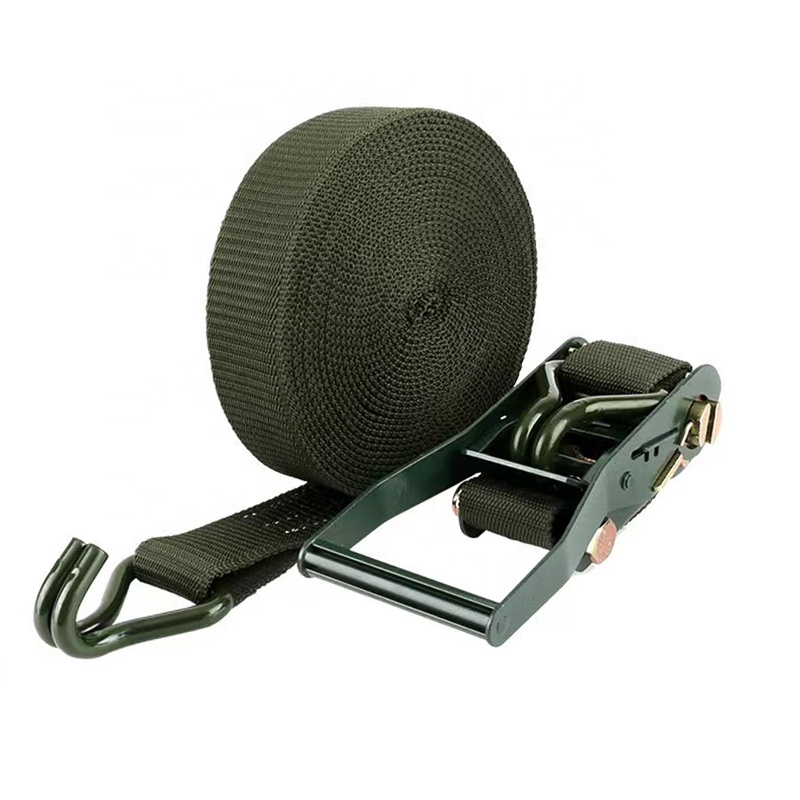
Tension straps are essential tools in the transportation and logistics industry, designed to secure cargo during transit and storage. These specialized fastening devices apply controlled tension to keep loads in place, preventing shift, damage, and potential safety hazards. Understanding what tension straps are and how they function is critical for anyone involved in freight movement, warehousing, or fleet operations. Tension straps come in various designs and materials, each tailored to specific cargo types and weight requirements.
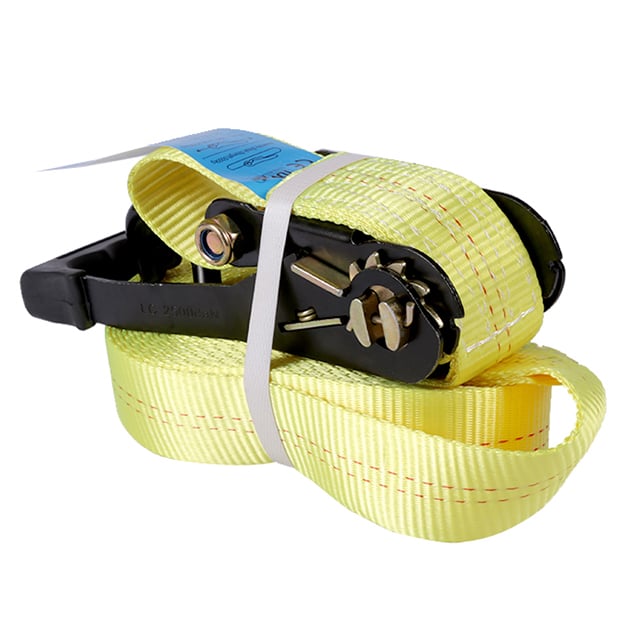
The effectiveness of tension straps depends on their ability to maintain consistent pressure on cargo throughout the entire journey. Whether transporting heavy machinery, automotive components, or consumer goods, tension straps ensure loads remain stable and secure. Modern tension straps incorporate advanced features such as ratcheting mechanisms, reinforced webbing, and corrosion-resistant hardware. This guide explores the fundamental principles behind tension straps, their applications, and best practices for cargo security in industrial and commercial environments.
Understanding Tension Straps and Their Core Function
What Defines Tension Straps in Cargo Management
Tension straps are mechanical fastening systems that apply compressive or tensile force to secure cargo against movement. Unlike simple tie-downs, tension straps actively maintain pressure on loads through spring tension, ratcheting systems, or other mechanisms. The primary function of tension straps is to counteract dynamic forces such as acceleration, deceleration, and lateral movement that occur during transportation. Industrial applications rely on tension straps to prevent cargo from shifting, which can lead to damage, accidents, or loss of load.
Tension straps typically consist of webbing material, attachment hardware, and a tensioning mechanism. The webbing, usually made from polyester or nylon, distributes force evenly across cargo surfaces. Tension straps equipped with ratchet mechanisms allow operators to apply precise tension levels, ensuring loads remain secure without over-tightening. The combination of materials and design makes tension straps effective across diverse environments, from maritime containers to truck beds and warehouse stacking operations.
How Tension Straps Differ From Standard Tie-Downs
Standard tie-downs rely on friction and gravity alone to hold loads in place, while tension straps actively apply force to maintain security. Tension straps offer superior control because operators can adjust tension levels to match specific cargo weights and configurations. This distinction is crucial in high-risk transport scenarios where cargo stability directly impacts safety and product integrity. Professional logistics operations prefer tension straps for their reliability, consistency, and ability to handle variable load conditions across different journeys.
How Tension Straps Work: Mechanism and Application
The Mechanical Operation of Tension Straps
Most modern tension straps employ ratcheting mechanisms that allow controlled tightening without manual knot-tying. Operators feed webbing through the ratchet mechanism and pull to apply tension, then lock the mechanism to maintain consistent pressure. Tension straps work by converting manual force into amplified clamping pressure on the cargo surface. The mechanical advantage of ratchet-based tension straps allows a single operator to secure heavy loads that might otherwise require multiple people and manual knots.
Spring-based tension straps function differently, using stored elastic energy to maintain constant pressure as cargo settles or vibrates during transport. These tension straps automatically adjust to minor load shifts, reducing the need for manual re-tensioning. Retractable tension straps incorporate spring-loaded reels that allow for quick deployment and retrieval, improving efficiency in high-volume loading operations. Understanding how tension straps operate helps transport professionals select the right system for their specific cargo and vehicle configuration.
Installation and Tensioning Procedures
Proper installation of tension straps begins with identifying secure attachment points on both the vehicle and cargo. Tension straps should be positioned at angles between 45 and 90 degrees to maximize effectiveness and distribute forces evenly. Operators apply tension gradually, checking alignment and load stability at each stage of the process. The correct amount of tension depends on cargo weight, shape, and sensitivity to compression, making operator training essential for consistent results with tension straps.
Common installation patterns for tension straps include X-cross configurations, parallel arrangements, and diagonal wrapping methods. Tension straps must be inspected before use to ensure webbing integrity, hardware functionality, and lack of wear or damage. Over-tensioning tension straps can damage sensitive cargo or cause permanent deformation of packaging materials. Regular maintenance and proper storage of tension straps extend their lifespan and maintain their effectiveness in securing loads across thousands of transport cycles.
Applications and Industries Relying on Tension Straps
Transportation and Logistics Sector
The transportation industry depends heavily on tension straps to comply with regulatory requirements and prevent cargo loss. Tension straps secure everything from palletized goods to non-standard industrial equipment on trucks, trailers, and shipping containers. Freight companies use tension straps in combination with other securing methods to create redundant systems that protect both cargo and public safety. Marine shipping operations employ specialized tension straps rated for saltwater environments and extreme vibration conditions found at sea.
Long-haul trucking operations utilize tension straps to handle the constant acceleration, braking, and cornering forces encountered during extended journeys. Tension straps protect high-value shipments and fragile items that require careful handling throughout the supply chain. Cross-docking facilities and distribution centers use tension straps to temporarily secure loads during sorting and redistribution operations, maintaining efficiency while ensuring cargo protection.
Manufacturing and Warehousing Applications
Manufacturers use tension straps to bundle products on pallets before shipment, creating stable units that can be safely stacked multiple layers high. Warehousing operations rely on tension straps to organize inventory and prevent accidental load collapse in high-density storage environments. Heavy equipment manufacturers depend on tension straps to secure machinery during transport from factory to customer installation sites. Tension straps provide cost-effective solutions for protecting investments in manufactured goods throughout distribution networks.
Construction companies and rental equipment providers use tension straps to secure tools, machinery, and materials on job sites and during transport between locations. Automotive suppliers employ specialized tension straps to bundle components during manufacturing and protect finished parts in transit to assembly plants. The versatility of tension straps makes them indispensable across multiple industrial sectors where load security affects productivity, safety, and regulatory compliance.
FAQ
What load weight capacity should I choose for tension straps?
Tension straps are rated with working load limits that indicate the maximum safe tension they can maintain. Always select tension straps with a working load limit exceeding your actual cargo weight by at least 25 percent to account for dynamic forces during transportation. Tension straps rated for heavier loads than necessary provide additional safety margin and extend equipment lifespan by operating well within design limits. Check manufacturer specifications and confirm that tension straps meet industry standards applicable to your specific transport scenario.
How often should tension straps be replaced or inspected?
Professional operations inspect tension straps before every use, looking for tears, fraying, corrosion, or mechanical damage. Tension straps should be replaced immediately if webbing shows visible wear, hardware is bent or corroded, or ratcheting mechanisms fail to hold tension properly. Annual deep inspections and testing of tension straps help identify early signs of degradation that might escape visual checks. Proper storage in dry conditions away from direct sunlight extends the service life of tension straps significantly.
Can tension straps be used with all cargo types?
Tension straps work effectively with most cargo types when properly applied, but sensitive materials require careful consideration of pressure and contact points. Tension straps should never be tightened directly against fragile surfaces without protective padding or intermediate materials. Special-duty tension straps with wide webbing distribute pressure more evenly, reducing risk of damage to painted surfaces or delicate packaging. Always verify that tension straps are compatible with specific cargo materials before securing loads in production environments.