 EN
EN

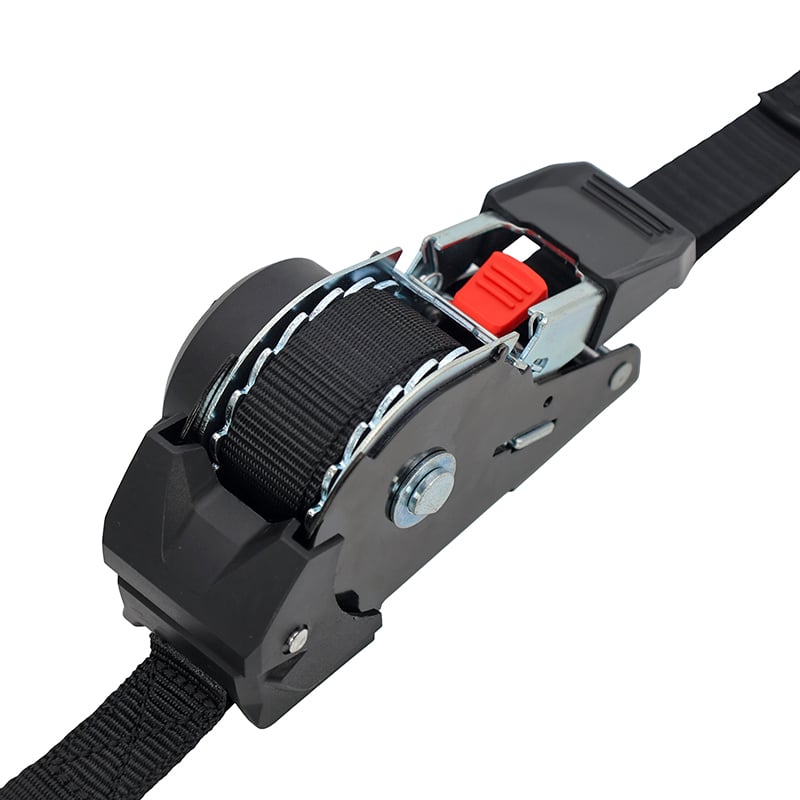
Proper inspection of your ratchet tie down straps is essential to ensure cargo remains secure during transport. Many hauling accidents occur due to failed or compromised ratchet tie down straps that were not thoroughly checked before use. Understanding how to systematically inspect ratchet tie down straps protects your cargo, vehicle, and the safety of other drivers on the road. This guide walks through the critical inspection points that every hauling professional should know when evaluating ratchet tie down straps for reliability and compliance with safety standards.
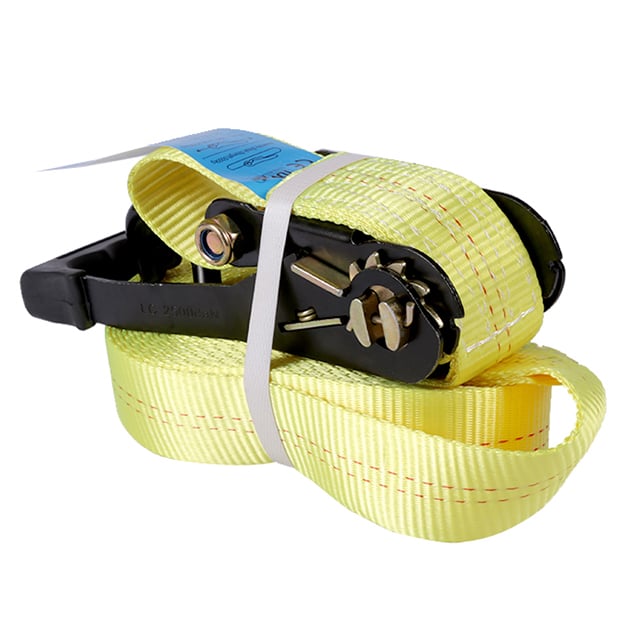
Before every hauling operation, a detailed inspection routine becomes your first line of defense against cargo shifts and strap failures. Ratchet tie down straps endure constant stress from cargo weight, road vibration, and environmental factors, which means wear accumulates over time. A methodical inspection process identifies damage early, extends the functional lifespan of your ratchet tie down straps, and prevents costly downtime or safety incidents. By developing a consistent inspection habit, you ensure every load begins its journey with maximum security.
Visual Inspection of Webbing and Material
Checking for Tears, Fraying, and Discoloration
Begin your inspection by examining the entire length of the webbing on your ratchet tie down straps under good lighting conditions. Look for tears, cuts, punctures, or areas where the fabric appears thin or weakened. Fraying edges indicate the strap has experienced abrasion or has begun to degrade, and any ratchet tie down straps showing visible fraying should be removed from service. Discoloration or fading may suggest exposure to UV light or chemical degradation, which compromises the tensile strength of the material and affects the performance of your ratchet tie down straps.
Assessing Material Integrity and Tensile Strength
Press your fingers along the webbing of the ratchet tie down straps to detect soft spots, lumps, or areas where the fabric feels compromised. A sudden loss of firmness or elasticity indicates internal damage or moisture saturation. Quality ratchet tie down straps should feel uniform and substantial throughout their length. If sections of your ratchet tie down straps feel brittle, sticky, or abnormally soft, the material has likely degraded and the strap should not be used for critical hauling applications. Material degradation reduces the load-bearing capacity and increases the risk of sudden failure during transport.
Examination of Hardware and Fastening Points
Inspecting Hooks, Loops, and Connection Points
The hooks and connection hardware on ratchet tie down straps experience significant stress and wear during use. Examine each hook or attachment point for cracks, bends, corrosion, or deformation that compromises grip strength. Ratchet tie down straps with bent hooks cannot secure cargo properly and may slip during sudden stops or turns. Check that any welding or stitching at the connection between webbing and hardware remains intact and shows no signs of separation. Loose or damaged stitching at these critical junctures is a leading cause of ratchet tie down straps failing suddenly during transport.
Testing Hook Security and Load Rating Verification
Gently pull on each hook or attachment point of the ratchet tie down straps to confirm it remains firmly anchored to the webbing. There should be no movement, flexing, or play between the hardware and fabric. Every set of ratchet tie down straps should display a legible load rating label, and you must verify this rating matches your cargo weight requirements. Faded or missing labels on ratchet tie down straps make it impossible to verify safe load capacity, so such straps should be archived or discarded. High-quality ratchet tie down straps retain durable labels that survive repeated use and storage conditions.
Ratchet Mechanism and Tensioning System Evaluation
Testing the Ratchet Engagement and Release Function
The ratchet mechanism of your ratchet tie down straps must engage smoothly and hold tension without slipping or releasing unexpectedly. Manually operate the ratchet handle through its full range of motion and listen for grinding, clicking, or unusual sounds that indicate internal wear or misalignment. Ratchet tie down straps that fail to engage with a clear click or that slip during operation should not be trusted for securing high-value or hazardous cargo. Test the release lever to ensure it operates easily and does not stick or jam. Stiff or resistant ratchet tie down straps may indicate moisture intrusion, corrosion, or mechanical damage that reduces reliability.
Verifying Tension Retention and Mechanical Integrity
Apply moderate tension to the ratchet tie down straps and then release the handle to verify the mechanism holds the tension without creeping or gradual slippage over several minutes. Slow tension loss indicates the ratchet teeth may be worn or the locking mechanism compromised, reducing the holding power of your ratchet tie down straps. Inspect the teeth and pawl inside the ratchet housing for debris, corrosion, or visible damage that prevents proper engagement. If the ratchet tie down straps slip continuously even after tightening, the mechanical components have likely lost their designed grip and the strap should be retired. Reliable ratchet tie down straps maintain locked tension throughout an entire hauling journey without manual re-tightening.
Environmental and Storage Condition Assessment
Evaluating the Effects of Weather and Storage Exposure
Ratchet tie down straps stored outdoors or in humid environments may accumulate moisture, mildew, or rust on metal components that reduce their functional lifespan. Inspect for mold growth, rust stains, or corrosion on hooks and hardware, as these indicate environmental stress that compromises material strength and mechanical function. Ratchet tie down straps that emit a musty odor or show visible mold require thorough cleaning or replacement before use on cargo. UV exposure from prolonged sun storage fades the webbing and degrades the polyester or nylon fibers, making older ratchet tie down straps more prone to tearing under load. Proper storage in a dry, shaded location extends the working life of your ratchet tie down straps significantly.
Documentation and Maintenance Record Tracking
Maintain a simple log or photo documentation of your ratchet tie down straps, recording purchase dates, load ratings, and notable damage history. This practice helps identify which ratchet tie down straps require replacement or rotation out of service. Straps with repeated minor repairs should be monitored closely, as cumulative damage reduces their safety margin. Professional hauling operations often retire ratchet tie down straps after a set number of years or use cycles to eliminate accumulated wear risks. By tracking the condition history of your ratchet tie down straps, you develop predictive maintenance awareness and avoid relying on equipment past its safe operational window.
FAQ
How often should you inspect ratchet tie down straps before hauling?
Inspect your ratchet tie down straps before every hauling operation, even if they were used successfully the previous day. Visual inspection takes only a few minutes and can prevent catastrophic cargo failure. Additionally, conduct a more thorough inspection monthly if you use ratchet tie down straps regularly, checking all hardware, webbing, and mechanical components in detail. For straps in storage, perform a full inspection at least quarterly to identify environmental damage or corrosion before use.
What are the main reasons ratchet tie down straps fail during transport?
Ratchet tie down straps fail most commonly due to worn ratchet mechanisms that slip under load, torn webbing from sharp cargo edges or road debris, or corroded hardware that loses grip strength. Improper tension application is also a leading cause, as straps that are either over-tightened or under-tightened create stress points that accelerate failure. Environmental exposure to UV light, moisture, and temperature extremes degrades material integrity over time and increases failure risk. Many failures occur on straps that were never properly inspected before use.
Can ratchet tie down straps be repaired if damaged?
Minor repairs such as replacing a single damaged hook or re-stitching loose webbing edges are sometimes possible, but professional repair services are recommended for critical safety equipment like ratchet tie down straps. Small tears in the webbing can sometimes be sealed with fabric patch kits, but this is a temporary solution only. Most experts recommend retiring ratchet tie down straps with significant webbing damage or internal ratchet mechanism failures rather than attempting repairs. The cost of replacement straps is minimal compared to the risk and liability of cargo loss during transport.