 EN
EN

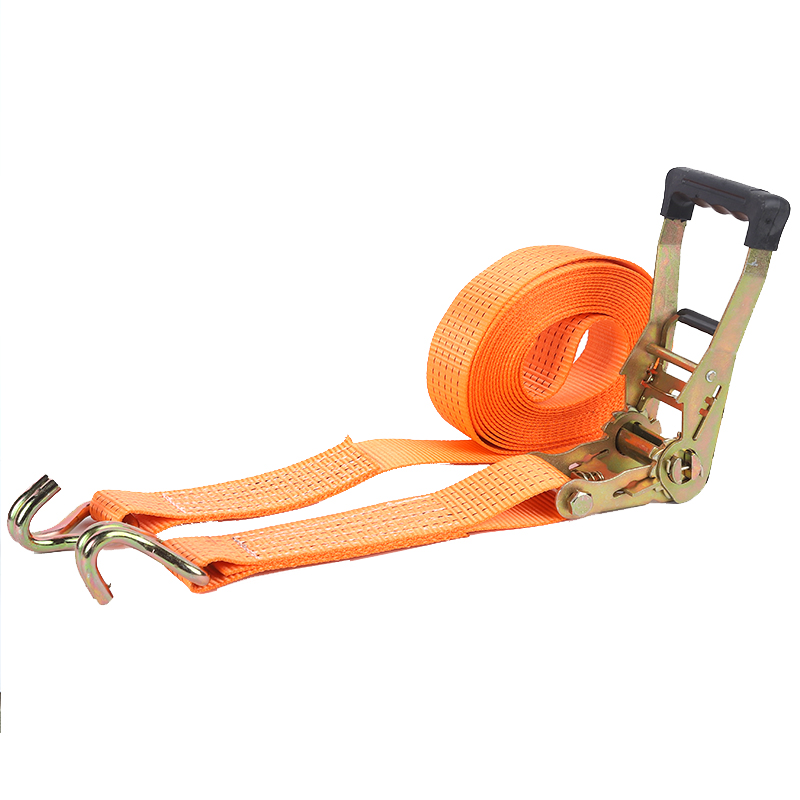
When transporting heavy freight across highways, railways, or shipping routes, the security of your cargo depends entirely on the quality of your fastening equipment. Ratchet straps have become the industry standard for freight transport because they deliver unmatched holding power, reliability, and ease of use. Unlike traditional rope, chain, or inferior tie-down methods, ratchet straps provide mechanical advantage through a ratcheting mechanism that allows operators to achieve consistent tension without excessive physical effort. This combination of engineering simplicity and practical effectiveness makes ratchet straps the preferred choice for logistics professionals, construction companies, and transportation services worldwide.
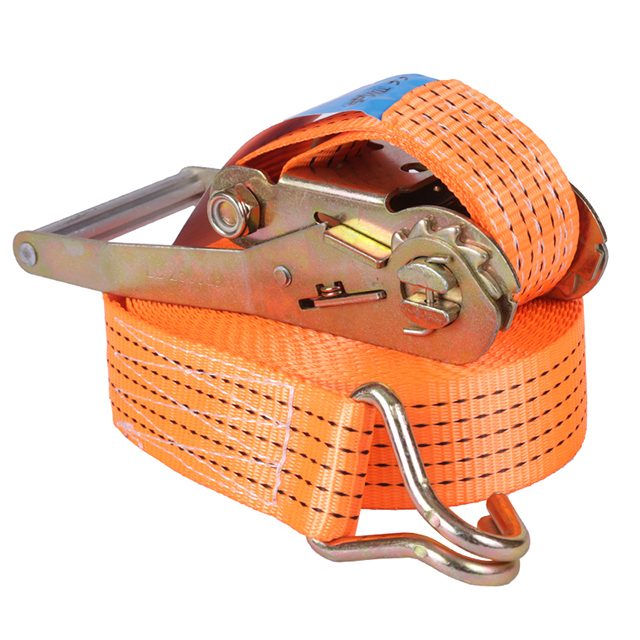
The heavy freight industry demands equipment that performs consistently under extreme conditions. Ratchet straps meet this requirement through durable polyester webbing, reinforced stitching, and corrosion-resistant hardware. When you secure heavy freight with ratchet straps, you gain peace of mind knowing that your cargo will remain fixed throughout transit, regardless of road vibrations, weather exposure, or extended storage periods. Understanding why ratchet straps outperform alternatives requires examining their mechanical design, load-holding capacity, safety standards, and real-world applications in modern freight logistics.
Superior Load-Holding Capacity and Mechanical Design
How Ratchet Mechanisms Deliver Consistent Tension
Ratchet straps function through a pawl-and-gear mechanism that converts downward handle pressure into secure webbing tension. When you operate the ratchet handle, each stroke tightens the strap incrementally while the ratchet mechanism locks automatically between strokes, preventing backward slip. This engineering approach means that ratchet straps maintain their hold without requiring continuous operator attention or adjustment during transit. Unlike manual tightening methods, the mechanical advantage inherent in ratchet straps allows operators to generate enormous pulling force without excessive muscular strain, making them accessible to workers of all physical capabilities.
Load Ratings and Safety Standards for Heavy Freight
High-quality ratchet straps are engineered to handle breaking strengths that far exceed typical freight weights, typically ranging from 5,000 kilograms to 10,000 kilograms per strap pair depending on webbing width and material quality. This substantial safety margin means that ratchet straps used for heavy freight transport carry working load limits that provide multiple layers of protection against load failure. The American Society for Testing and Materials and international shipping standards mandate that ratchet straps meet rigorous load testing protocols before they can be deployed in commercial freight operations. When you select properly rated ratchet straps for your heavy freight application, you ensure compliance with regulatory requirements while protecting your cargo, vehicles, and personnel from potential accidents caused by inadequate securing methods.
Durability and Weather Resistance in Demanding Conditions
Material Composition and Environmental Performance
Commercial-grade ratchet straps utilize polyester webbing instead of cotton or synthetic alternatives because polyester resists UV degradation, moisture absorption, and mildew formation that would compromise lesser materials. The reinforced stitching at attachment points, combined with high-tensile polyester fibers, ensures that ratchet straps withstand repeated use cycles, weather exposure, and storage in outdoor environments without losing load-holding capability. Heavy freight operators who subject their ratchet straps to months of continuous service discover that premium-quality straps maintain their structural integrity and ratchet mechanism functionality far longer than budget alternatives. The double-J hook hardware found on industrial-grade ratchet straps resists rust and corrosion through galvanized coatings and stainless steel options, preventing the hardware degradation that would weaken the overall system.
Cost Efficiency Through Extended Service Life
While initial investment in heavy-duty ratchet straps exceeds the cost of disposable tie-down alternatives, the extended service life delivers superior value across multiple shipment cycles. Operators working with heavy freight recognize that ratchet straps can perform reliably for years when properly maintained, whereas inferior products require frequent replacement due to webbing failure, ratchet mechanism degradation, or hook damage. The durability advantage of ratchet straps translates directly into lower total cost of ownership for freight companies managing large fleets of transport vehicles. Organizations that systematically replace worn ratchet straps according to manufacturer guidance rather than waiting for catastrophic failure minimize liability exposure and operational downtime associated with securing equipment failure.
Safety Advantages and Industry Best Practices
Reducing Cargo Shift and Transport Accidents
Improperly secured heavy freight represents a significant hazard on public roadways and within distribution facilities, potentially causing accidents that result in injuries, deaths, and property damage. Ratchet straps virtually eliminate cargo shift during normal transit conditions because their mechanical locking mechanism maintains consistent tension throughout the journey, unlike friction-based or manually-tightened securing methods that can loosen due to vibration. Transportation regulatory agencies specifically require ratchet straps or equivalent mechanical securing devices for certain categories of heavy freight, recognizing that ratchet straps provide superior protection compared to temporary tie-down methods. Companies operating heavy freight services protect their employees, third-party motorists, and cargo value by exclusively using properly deployed ratchet straps that comply with industry securing standards.
Worker Safety and Injury Prevention
Manual securing methods for heavy freight often require workers to exert extreme physical force, leading to back injuries, muscle strains, and repetitive stress conditions that reduce workforce productivity. Ratchet straps eliminate these ergonomic hazards through their mechanical advantage, allowing operators to secure heavy loads using controlled, manageable hand movements rather than full-body leverage. The design of modern ratchet straps includes padded handles and ergonomic ratchet geometry that further reduces operator fatigue during extended securing operations. By implementing ratchet straps throughout your heavy freight operations, you demonstrate commitment to worker safety while simultaneously improving operational efficiency and reducing workers' compensation insurance claims related to cargo securing injuries.
FAQ
What makes ratchet straps more reliable than rope or chain for heavy freight?
Ratchet straps combine mechanical locking mechanisms with high-strength polyester webbing to maintain consistent tension throughout transport, whereas rope stretches over time and chain rusts or damages cargo surfaces. The ratchet mechanism automatically locks after each stroke, preventing the gradual loosening that occurs with manual tightening methods. Heavy freight secured with ratchet straps maintains its tension despite road vibrations, temperature changes, and extended storage periods that would degrade the performance of rope or chain systems.
How often should ratchet straps be inspected for heavy freight operations?
Professional freight operators should inspect ratchet straps before each use, checking for webbing tears, hook damage, ratchet mechanism wear, and stitching integrity. Heavy freight applications often involve repeated use cycles that gradually wear ratchet components, so operators should replace straps showing visible degradation before they reach complete failure. Most logistics companies establish quarterly or semi-annual comprehensive inspections of their entire ratchet strap inventory, removing damaged straps and testing remaining units to confirm their load-holding capacity.
Can ratchet straps be used for different types of heavy freight beyond trucks?
Yes, ratchet straps are deployed across multiple heavy freight applications including container securing on ships, flatbed truck loading, railway car cargo stability, and warehouse pallet securing systems. The versatility of ratchet straps stems from their simple mechanical design and universal hook compatibility with standard cargo attachment points. Heavy freight operations in construction, manufacturing, agriculture, and import-export industries all rely on ratchet straps because their performance remains consistent regardless of the specific freight category or securing application.