 EN
EN

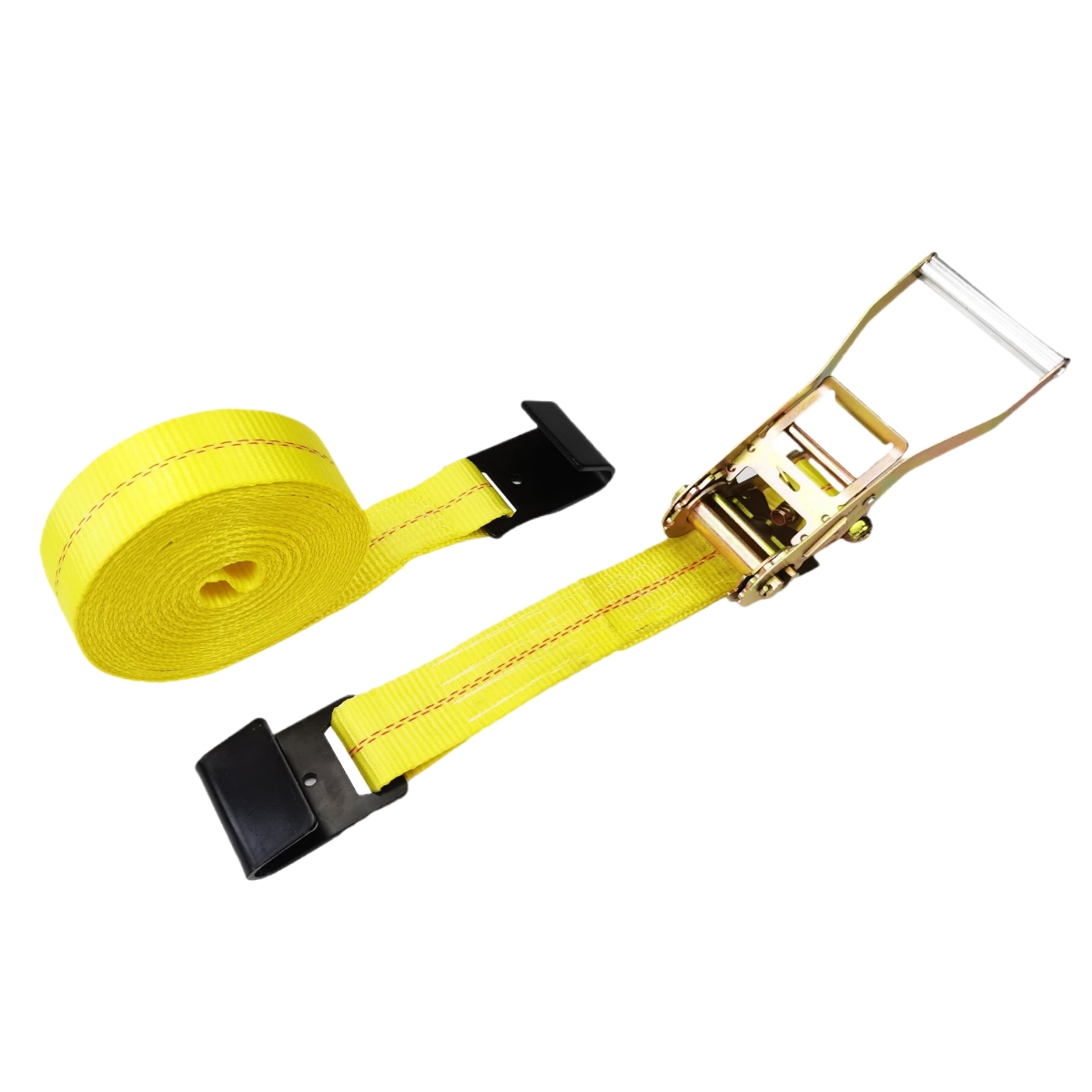
Every shipment faces real risk the moment it leaves the loading dock. Vibration, sudden braking, sharp turns, and road irregularities all create forces that can shift, tip, or crush freight. transport straps are the primary line of defense against these forces, holding cargo firmly in place throughout the entire journey. Understanding how transport straps work — and why they are so effective — helps logistics managers, drivers, and shippers make better decisions about load securing.
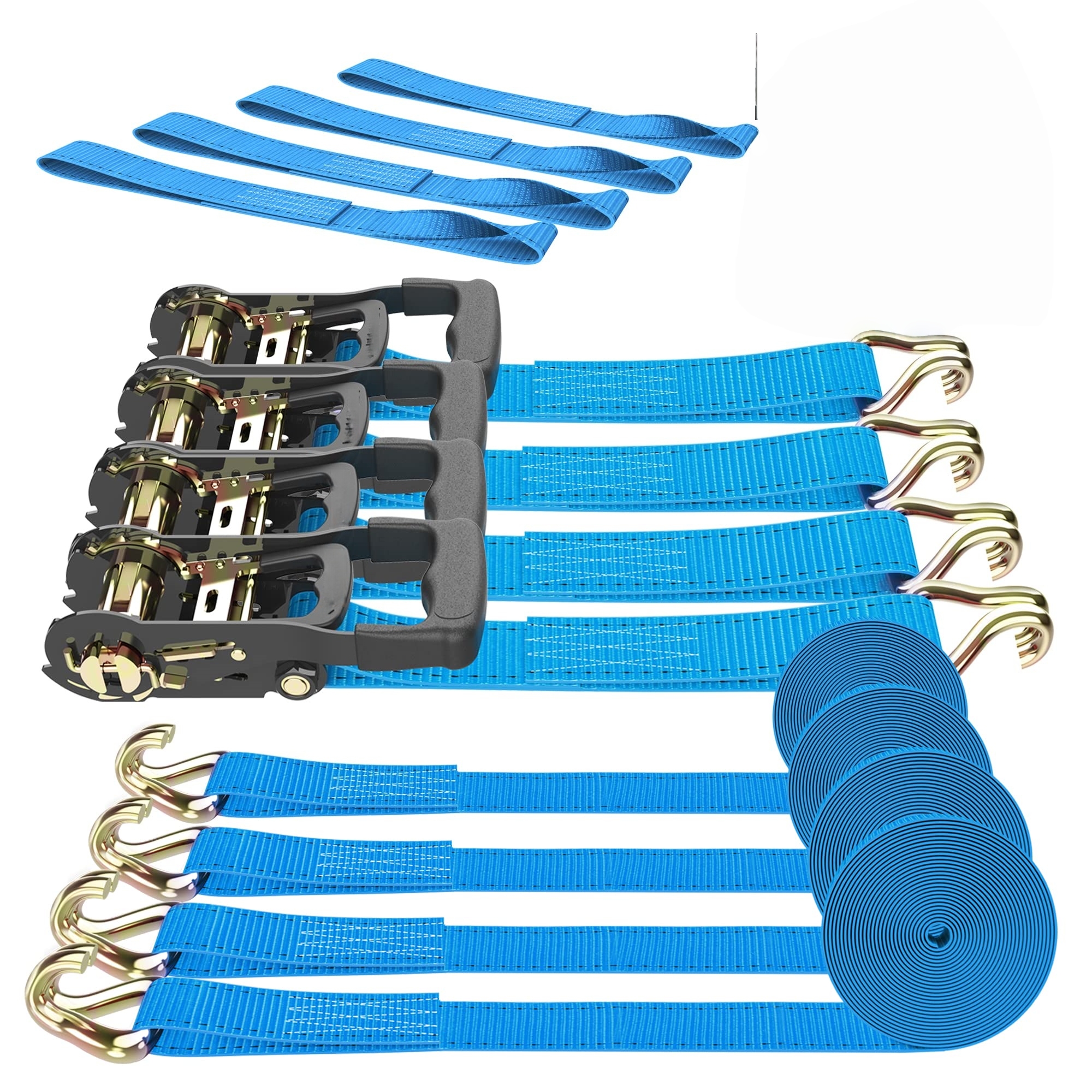
Transport straps are engineered restraint tools designed to absorb, distribute, and counteract the dynamic loads that act on cargo in motion. Unlike rope or bungee cords, quality transport straps are rated to specific working load limits and manufactured from high-tenacity polyester webbing that resists stretching, UV exposure, and moisture. When applied correctly, transport straps convert an unstable pile of goods into a secured, unified load that travels safely from origin to destination.
The Mechanics Behind Transport Strap Load Control
How Tension and Friction Work Together
Transport straps function by applying controlled tension across the cargo surface and the vehicle deck. When a ratchet mechanism tightens the webbing, it pulls the load downward and inward, increasing the contact friction between the freight and the trailer floor. This friction is what truly resists lateral and longitudinal movement. The more evenly transport straps distribute tension across a load, the harder it becomes for any single force — braking, acceleration, or cornering — to shift the cargo out of position.
The geometry of strap placement also matters enormously. Transport straps applied at an angle create both a vertical clamping force and a horizontal restraining force simultaneously. This dual-axis control is why diagonal strap patterns are recommended for tall or top-heavy loads. Well-positioned transport straps can resist multidirectional forces at once, which is exactly the challenge that road transit presents.
Webbing Material and Its Role in Protection
The polyester webbing used in transport straps is selected for its low elongation under load. Unlike nylon, polyester does not absorb much moisture, which means transport straps maintain their rated strength even in wet or humid conditions. Low elongation is also critical because a strap that stretches significantly under tension will allow more cargo movement before the restraint takes full effect. Transport straps made from high-tenacity polyester webbing minimize this lag, keeping cargo firmly controlled from the first moment of movement.
Common Failure Points That Transport Straps Address
Preventing Load Shift During Braking and Acceleration
Load shift is the most common cause of transit damage. When a truck brakes suddenly, unsecured cargo continues moving forward due to inertia. Transport straps anchored to E-track rails or cargo hooks transfer this inertia force into the vehicle structure rather than allowing it to travel through the freight itself. This means that boxes, pallets, and equipment do not collide with each other or with the front wall of the trailer. Transport straps absorb peak impact forces that would otherwise crack, crush, or deform goods.
During acceleration, the same principle applies in reverse. Transport straps prevent rear-loading freight from sliding backward and falling off the truck or pressing against other cargo with damaging force. In both scenarios, transport straps act as a mechanical buffer between the physics of motion and the physical integrity of the goods.
Vibration Damping and Surface Protection
Beyond acute shift events, continuous road vibration causes cumulative damage to freight. Loose cargo vibrates against adjacent items, generating abrasion, fatigue cracks in packaging, and internal component damage. Transport straps eliminate the slack that allows this vibrational movement. A properly tensioned set of transport straps keeps cargo in firm, stable contact with the load surface, effectively eliminating the micro-movements that add up to serious damage over a long haul. Some transport straps also incorporate edge protectors or soft loops that shield fragile surfaces from webbing contact marks.
Selecting and Using Transport Straps Effectively
Matching Strap Rating to Load Weight
Effective cargo protection starts with selecting transport straps that are correctly rated for the load. Each set of transport straps carries a working load limit (WLL) and a break strength. The WLL represents the maximum force the strap should handle in regular service. For most applications, the combined WLL of all transport straps used on a load should equal at least half the total cargo weight, following standard cargo securement regulations. Using undersized transport straps is a critical error that leads to strap failure and cargo damage even when the straps appear to be tight.
Two-inch wide transport straps with a 1500-lb rating are a practical standard for medium-duty freight in vans, trailers, and flatbeds. They balance tensioning ease with strong holding power, making them versatile across a wide range of cargo types. Wider or higher-rated transport straps are appropriate for heavy machinery, steel coils, or oversized loads where forces are substantially higher.
Correct Anchoring and Tensioning Technique
Transport straps are only as effective as their anchor points and tensioning technique. Anchoring transport straps to certified E-track systems ensures the attachment point itself will not fail under load. After hooking the transport straps to the anchor rail, the ratchet should be tightened until the webbing is firm with no visible slack. Over-tightening transport straps on soft or crushable goods can cause damage, so operators must balance firm tension with appropriate pressure for the cargo type. Checking transport straps at the first stop after loading, and periodically during long hauls, ensures tension is maintained as cargo settles.
FAQ
How many transport straps are needed per load?
The number of transport straps required depends on the weight and dimensions of the cargo. As a general rule, at least two transport straps should cross any pallet or package, with additional transport straps added for every increase in load length or weight. Regulatory guidelines typically specify a minimum number of tie-downs based on cargo weight and length, and following those standards ensures both safety and compliance.
Can transport straps be reused after heavy use?
Transport straps can be reused if they pass a thorough visual inspection before each use. Inspect transport straps for cuts, fraying, broken webbing threads, bent or cracked hooks, and damaged ratchet mechanisms. Any transport straps showing these signs of wear should be retired immediately. Overloaded or shock-loaded transport straps should also be replaced, even if no visible damage is apparent, because internal webbing fiber damage is not always visible to the eye.
What is the difference between ratchet transport straps and cam buckle straps?
Ratchet transport straps use a mechanical ratcheting mechanism to progressively increase and lock webbing tension, making them suitable for heavy or high-value cargo where firm tension is critical. Cam buckle transport straps apply tension through hand pressure only, resulting in lower and less consistent tension levels. Ratchet transport straps are generally preferred for most freight applications because they deliver reliable, measurable tension that holds under dynamic road conditions where cam buckle versions may gradually loosen.