 EN
EN


When hauling cargo on any vehicle, the difference between a safe delivery and a catastrophic accident often comes down to one factor: whether the load is properly secured. trailer straps are the primary tool professionals rely on to keep freight locked in place during transport. Without them, even moderate road conditions can cause cargo to shift, tip, or fall — endangering the driver, other road users, and the goods themselves.
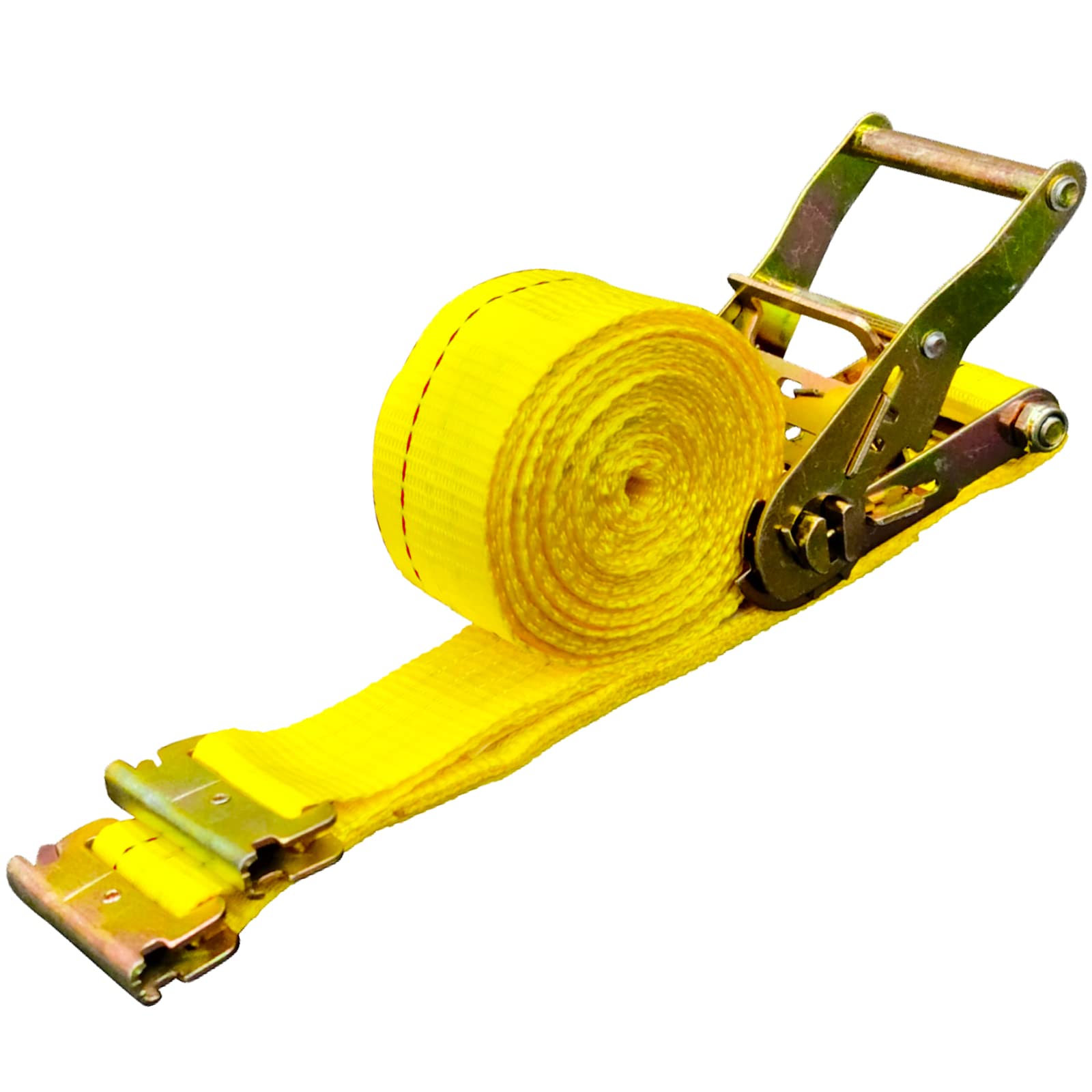
Trailer straps are not simply accessories — they are fundamental load control components that perform under real mechanical stress. Whether you are moving heavy machinery, palletized goods, construction materials, or vehicles, trailer straps provide the tension and restraint needed to meet safety standards and protect valuable cargo across every mile of the journey. Understanding why trailer straps matter is the first step toward making smarter hauling decisions.
The Core Role of Trailer Straps in Load Control
How Trailer Straps Resist Movement Forces
During transport, a load is subject to multiple physical forces: acceleration, braking, cornering, and road vibration. Each of these forces can push, pull, or rotate cargo in unpredictable ways. Trailer straps are designed to counter these forces by creating controlled tension between the cargo and the trailer bed. When trailer straps are tensioned correctly, they compress and anchor the load so that external forces cannot overcome the restraint.
The working load limit of trailer straps is a critical engineering specification. It defines the maximum force the strap can safely manage during normal use. Selecting trailer straps with an appropriate working load limit for the cargo weight ensures that restraint does not fail under stress. Using undersized or worn trailer straps introduces serious risk that no experienced operator should accept.
Trailer Straps and Point-of-Contact Security
Trailer straps secure cargo at specific anchor points on the trailer frame. The positioning of trailer straps determines how evenly force is distributed across the load. Poorly positioned trailer straps can create pressure imbalances, causing the cargo to rotate or shift despite being technically secured. Proper strap placement — front, rear, and lateral — is what makes trailer straps genuinely effective rather than merely symbolic.
Why Trailer Straps Are Non-Negotiable for Transport Safety
Preventing Cargo Shift and Load Loss
Cargo that shifts mid-transport is one of the most dangerous situations a driver can face. Even a small lateral movement in a heavy load can affect vehicle handling and steering stability. Trailer straps eliminate this risk by maintaining constant tension throughout the journey. When trailer straps are correctly applied and regularly checked, cargo stays positioned exactly where it was loaded, regardless of road conditions or driver maneuvers.
Load loss — where cargo falls from a moving vehicle — is both a legal liability and a safety catastrophe. Trailer straps are the direct prevention mechanism against this outcome. Industries including construction, automotive, agriculture, and manufacturing all depend on trailer straps to ensure that their products and materials reach destinations intact and without incident.
Compliance with Load Securing Regulations
Transport regulations in most regions require that cargo be secured using approved methods and equipment. Trailer straps are explicitly recognized in these regulations as compliant load securing tools when they meet minimum strength and condition standards. Operating without proper trailer straps can result in fines, license suspension, or liability in the event of an accident. More importantly, regulations exist because unsecured loads cause real harm — and trailer straps are the practical solution that regulators and operators alike rely on.
Businesses that prioritize the correct use of trailer straps also reduce insurance exposure. Insurers recognize that proper cargo restraint using quality trailer straps lowers the probability of claims related to damaged goods or third-party injuries. The operational cost of trailer straps is minimal compared to the financial and reputational cost of a single load loss incident.
Selecting and Maintaining Trailer Straps for Maximum Performance
Choosing the Right Trailer Straps for Your Application
Not all trailer straps are built for the same applications. Ratchet-style trailer straps are among the most widely used in heavy-duty transport because they allow precise tensioning through a mechanical ratcheting mechanism. This design means trailer straps can be tightened to consistent tension levels, which is critical when securing loads that require uniform restraint. Hook configurations also matter — J-hooks, flat hooks, and snap hooks each suit different trailer anchor systems, and choosing compatible trailer straps prevents slippage at connection points.
Webbing width and material directly affect how trailer straps perform under load. Wider polyester webbing distributes pressure more evenly across cargo surfaces, reducing the risk of cargo damage while increasing restraint effectiveness. For loads above one tonne, trailer straps rated to 2000 kg or higher working load limits are the standard recommendation in commercial freight operations. Always match trailer straps to the actual cargo weight and the number of anchor points being used.
Inspection and Care Practices for Trailer Straps
Trailer straps that are worn, frayed, cut, or chemically contaminated must never be used. Compromised trailer straps cannot be trusted to hold rated loads, and their failure can be sudden and without visible warning. Before each use, inspect trailer straps for webbing damage, hardware corrosion, ratchet mechanism functionality, and hook deformation. Any trailer straps showing signs of wear should be removed from service immediately and replaced.
Proper storage extends the working life of trailer straps significantly. Trailer straps should be kept dry, away from direct sunlight, and clear of sharp objects or chemicals when not in use. Rolled or coiled storage prevents kinking and webbing stress. Treating trailer straps as precision safety equipment — rather than throwaway consumables — protects your investment and ensures they perform reliably every time.
FAQ
How many trailer straps do I need to secure a load safely?
The number of trailer straps required depends on the cargo weight, size, and center of gravity. As a general guideline, at minimum four trailer straps should be used for large or heavy loads — positioned at each corner anchor point. For particularly long or irregularly shaped cargo, additional trailer straps may be needed to prevent rotation or end-shift during transport.
Can trailer straps be reused after a heavy load application?
Trailer straps can be reused if they pass a thorough inspection after each use. Check the webbing, hooks, and ratchet mechanism carefully. If trailer straps have been subjected to shock loading — such as a sudden stop — inspect them with extra care, as internal webbing stress may not be visible. Replace trailer straps that show any sign of damage rather than risk failure on the next application.
What is the difference between the working load limit and the break strength of trailer straps?
The working load limit of trailer straps is the maximum load the strap is rated for during normal transport use. Break strength is the force at which trailer straps will fail completely under testing. Responsible use means staying well within the working load limit. The break strength exists as a safety margin — not a target. Always select trailer straps whose working load limit exceeds the actual cargo weight being secured.