 EN
EN

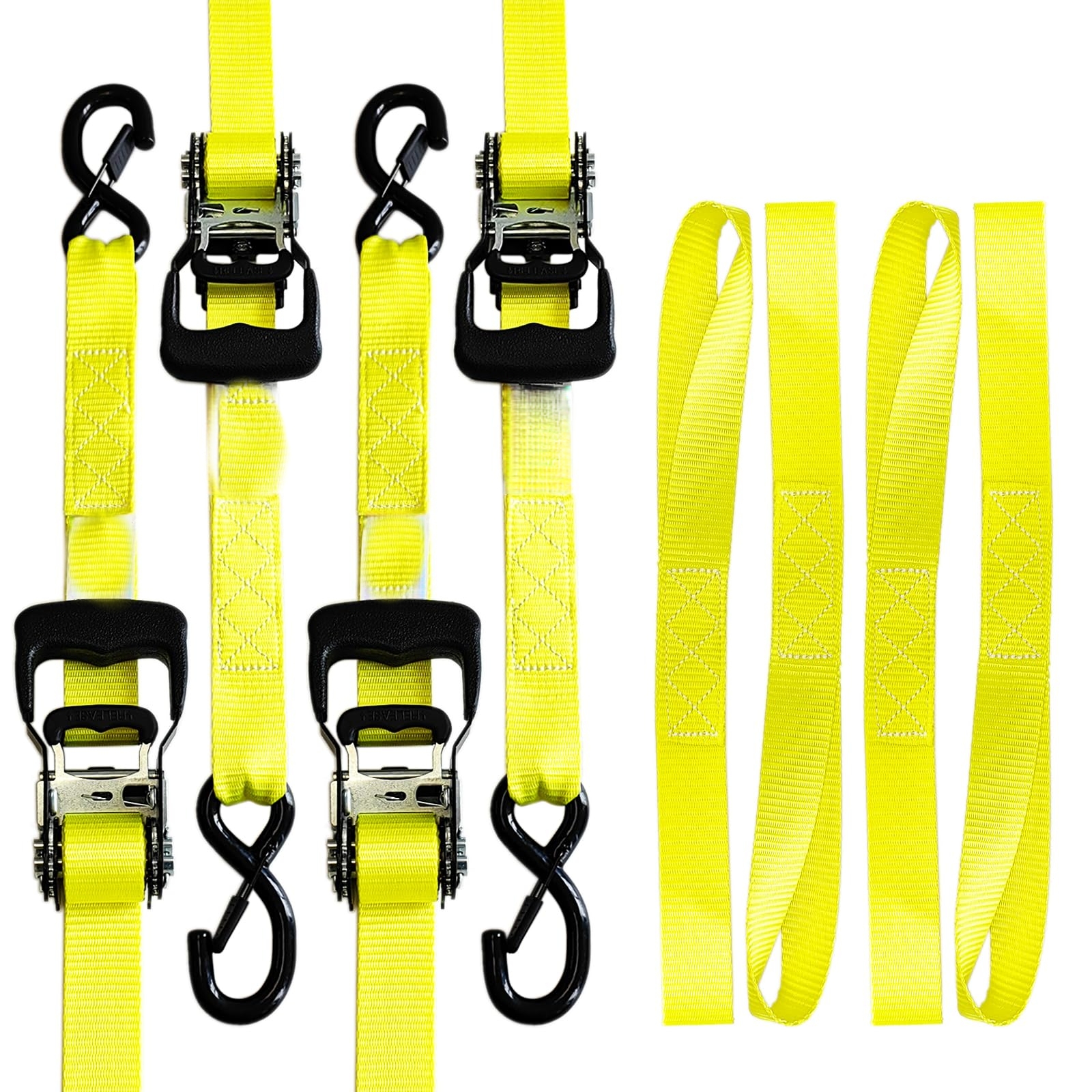
A tie down strap is one of the most essential tools in cargo transport, yet its working lifespan is rarely given the attention it deserves. Some operators replace a tie down strap after only a few months, while others use the same tie down strap for several years. The difference almost always comes down to a set of identifiable factors that either accelerate or slow down wear and degradation.
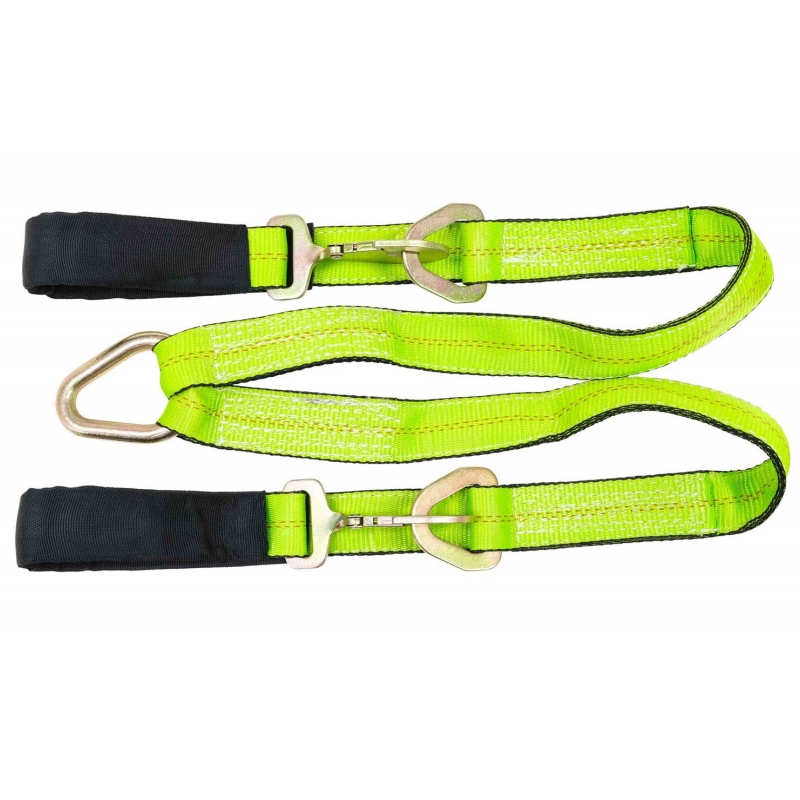
Understanding what affects the longevity of a tie down strap helps fleet managers, logistics professionals, and individual haulers make smarter purchasing decisions, adopt better handling habits, and avoid unexpected failures on the road. This article breaks down the primary factors that determine how long a tie down strap remains safe and functional in real working conditions.
Material Quality and Construction Standards
Webbing Material and Its Resistance Properties
The webbing material of a tie down strap is the single most important factor in its lifespan. High-quality polyester webbing is widely used because it offers strong resistance to UV radiation, moisture, and stretching under load. A tie down strap made from lower-grade nylon or blended synthetic fibers may initially appear similar but will degrade faster when exposed to sunlight, rain, or temperature fluctuations. The tighter and more uniform the weave, the more durable the tie down strap will be over time.
The breaking strength and working load limit of a tie down strap are directly tied to the quality of its webbing. A tie down strap that is regularly loaded close to its rated working limit will experience more internal fiber stress than one used conservatively. Over repeated load cycles, those micro-stresses accumulate, causing the tie down strap to weaken even if no visible damage is apparent. Choosing a tie down strap rated above your typical load requirement provides a meaningful safety margin and extends working life.
Hardware Quality and Corrosion Resistance
The metal components of a tie down strap, including the ratchet mechanism and hooks, are equally important to overall durability. Hardware made from heat-treated steel with a zinc or powder-coat finish resists rust and mechanical wear far better than uncoated alternatives. A corroded ratchet not only shortens the life of the tie down strap system but also increases the risk of sudden release under load. When evaluating a tie down strap, inspecting the hardware finish and construction quality is just as critical as examining the webbing.
Environmental Exposure and Storage Conditions
UV Radiation and Moisture Effects
Prolonged exposure to ultraviolet light is one of the most damaging forces acting on any tie down strap in regular outdoor use. UV rays break down the polymer chains within synthetic webbing, causing the tie down strap to become brittle, faded, and structurally weaker over time. A tie down strap stored or used in high-sun environments without UV-stabilized fibers will deteriorate significantly faster than one used indoors or in shaded conditions. Moisture compounds this issue, as repeated wet-and-dry cycles can cause fiber swelling and shrinkage that gradually weakens the tie down strap structure.
Chemicals encountered in industrial environments also pose a serious threat to tie down strap longevity. Exposure to fuel, solvents, acids, or alkaline substances can dissolve or degrade synthetic fibers rapidly. A tie down strap used in chemical transport or around fueling stations should be inspected more frequently and replaced on a shorter cycle than one used in standard dry-goods hauling. Operators should always confirm that the tie down strap material is rated for the environmental conditions it will face.
Proper Storage Between Uses
How a tie down strap is stored when not in use has a significant effect on how long it lasts. A tie down strap left coiled loosely in a dry, shaded location will retain its strength far longer than one left crumpled in a wet truck bed or exposed to direct sunlight for extended periods. Moisture trapped in a bundled tie down strap encourages mildew and fiber degradation, while repeated kinking can create permanent weak points in the webbing. Storing each tie down strap neatly, away from sharp edges and chemicals, is a simple habit that yields a measurable return in service life.
Usage Patterns and Maintenance Practices
Load Type, Frequency, and Application Method
The way a tie down strap is used on a daily basis has a major impact on its lifespan. A tie down strap that is routinely over-tensioned, dragged across rough surfaces, or wrapped around sharp cargo edges will develop abrasions and stress fractures much sooner than one handled carefully. The frequency of use also matters: a tie down strap cycled through multiple loads per day accumulates wear faster than one used occasionally. Operators who apply the tie down strap correctly, avoiding sharp contact points and maintaining appropriate tension, consistently extend the working life of each unit.
Cargo type plays a role as well. A tie down strap used to secure heavy machinery with rough metal edges is subject to far more abrasion than one securing padded or smooth cargo. Using protective corner guards or edge protectors when securing abrasive loads can dramatically reduce wear on each tie down strap and delay the need for replacement. This small precaution is especially valuable when a tie down strap is used repeatedly on the same type of heavy cargo.
Inspection Frequency and Timely Replacement
Regular inspection is one of the most effective ways to manage the lifespan of a tie down strap fleet. A tie down strap should be examined before each use for signs of fraying, cuts, discoloration, or hardware damage. Any tie down strap showing visible webbing damage, reduced flexibility, or difficulty tensioning should be removed from service immediately. Waiting until a tie down strap fails completely under load is dangerous and costly. Proactive inspection helps operators identify the right moment to retire each tie down strap safely.
Establishing a documented inspection schedule for each tie down strap in a fleet creates accountability and reduces the risk of an aging unit slipping through unnoticed. Recording the date of first use and the number of load cycles for each tie down strap, where feasible, makes replacement decisions more data-driven and less reliant on guesswork. A well-managed tie down strap inventory is both a safety asset and a cost-control measure for any transport operation.
FAQ
How often should a tie down strap be replaced?
There is no universal fixed interval for replacing a tie down strap, as lifespan depends on usage frequency, load conditions, and environmental exposure. As a general guideline, any tie down strap showing visible fraying, cuts, UV discoloration, or hardware corrosion should be retired immediately, regardless of age. For heavy-use commercial applications, a tie down strap should be inspected before every use and replaced at the first sign of compromised integrity.
Does washing a tie down strap extend its life?
Gentle cleaning can help maintain a tie down strap by removing abrasive grit, road salt, and chemical residues that accelerate fiber degradation. Use mild soap and cool water, then allow the tie down strap to dry fully in a shaded area before storage. Avoid harsh detergents or machine washing, as aggressive cleaning methods can damage the webbing fibers and weaken the tie down strap over time.
What is the most common cause of premature tie down strap failure?
The most common cause of early tie down strap failure is abrasion from contact with sharp cargo edges combined with over-tensioning beyond the rated working load limit. A tie down strap subjected to both excessive tension and physical cutting from cargo edges will fail far sooner than its design life. Using edge protectors and staying within the rated load limit are the two most effective practices for preventing premature tie down strap failure.