 EN
EN

Choosing the right towing straps is one of the most important decisions you can make before any hauling or recovery job. The market in 2026 offers more options than ever, but that variety also makes it easier to purchase towing straps that look capable yet fall short under real working conditions. Understanding what to evaluate before you commit to a purchase protects your cargo, your vehicle, and the people around you.
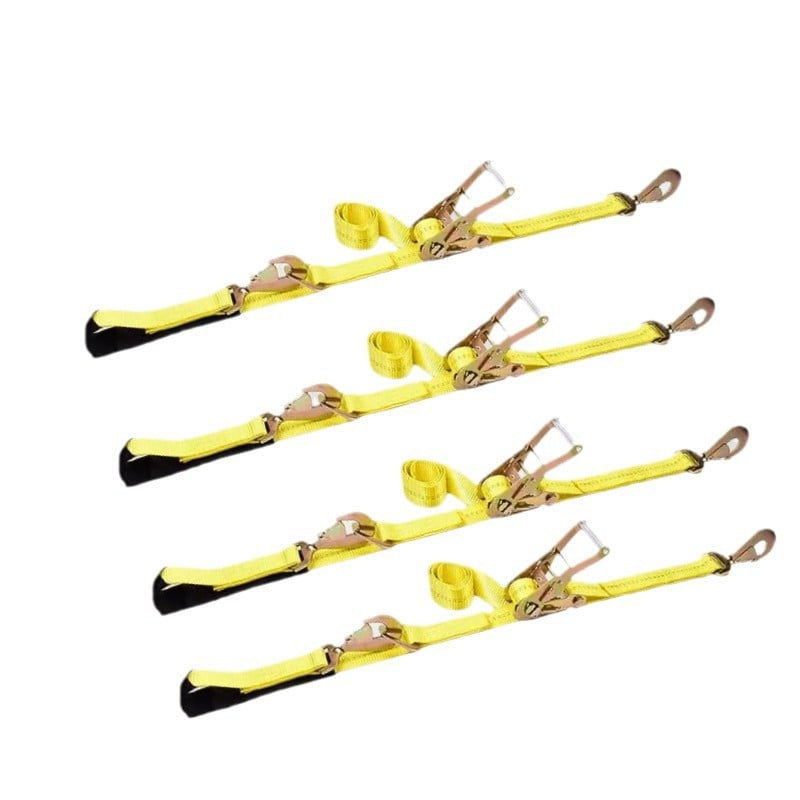
Whether you are sourcing towing straps for a fleet operation, a construction site, or personal roadside recovery use, the checklist you apply before buying directly determines how safely and effectively those towing straps perform. This article walks through the critical factors that experienced buyers examine before purchasing towing straps in any quantity, helping you make a confident and well-informed decision every single time.
Load Rating and Breaking Strength of Towing Straps
Understanding Working Load Limit vs. Break Strength
Every set of towing straps carries two numbers that matter enormously: the working load limit and the break strength. The working load limit, often abbreviated as WLL, tells you the maximum weight the towing straps are designed to handle safely during normal use. The break strength represents the point at which the towing straps will fail entirely under extreme force. Reputable towing straps typically maintain a safety ratio of at least 3:1 between break strength and working load limit, and quality products often go higher.
When evaluating towing straps, always match the WLL to your actual cargo weight, not just the heaviest load you can imagine. If your towing straps are consistently used near their maximum rating, you are reducing the safety margin significantly. For commercial or industrial towing straps, selecting a higher-rated product than your current needs may seem like overkill, but it extends service life and improves reliability under dynamic load conditions where sudden jerks or momentum shifts create forces far beyond the static weight of the cargo.
How Strap Width Affects Load Capacity
The physical width of towing straps is directly related to their load-bearing capacity. Wider towing straps distribute stress across more webbing fibers, which allows them to handle greater tension without concentrated wear points forming. Standard towing straps used in light vehicle recovery are typically narrower, while heavy-duty towing straps designed for trucks and machinery commonly measure 50mm or wider. When comparing towing straps across suppliers, always cross-reference width with the stated WLL to verify that the rating is genuine and consistent with the strap's construction.
Material Quality and Webbing Construction
Polyester vs. Nylon in Towing Straps
The webbing material used in towing straps directly determines how they behave under load, in wet conditions, and after prolonged outdoor exposure. Polyester towing straps are widely preferred in cargo securing and lashing applications because polyester resists moisture absorption and stretches very little under tension. This low-stretch property makes polyester towing straps more predictable and easier to keep properly tensioned during transport. Nylon towing straps, by contrast, offer more elasticity, which can absorb shock during vehicle recovery pulls but makes them less suitable for cargo control where consistent tension is required.
High-quality towing straps use tightly woven, high-tenacity polyester yarn that resists abrasion, UV degradation, and chemical exposure. Before buying towing straps, inspect the weave density and uniformity of the webbing. Loosely woven towing straps with visible gaps between fibers are more likely to develop wear damage quickly, especially when used over rough surfaces or sharp-edged loads. Consistent, tight weave construction is one of the clearest indicators that a set of towing straps has been manufactured to a reliable standard.
Hardware and End Fitting Quality on Towing Straps
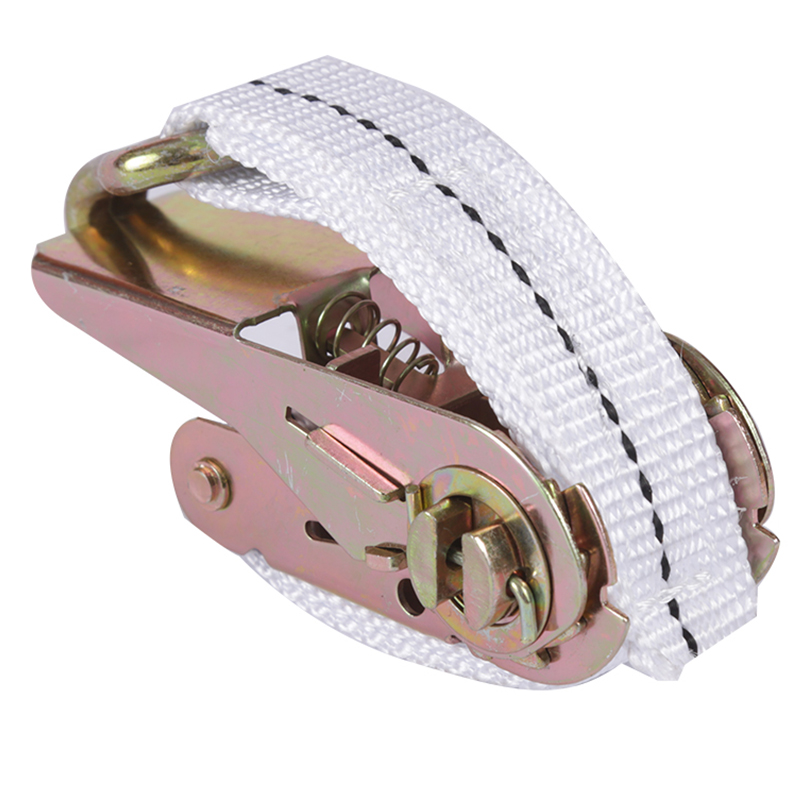
The metal components attached to towing straps, including hooks, ratchet mechanisms, and buckles, deserve just as much scrutiny as the webbing itself. Towing straps with forged steel hooks treated with zinc or powder coating offer significantly better corrosion resistance than those with untreated cast hardware. J-hooks and flat hooks used on towing straps should fit securely without wobbling, and the connection point where the hook meets the webbing should be reinforced with durable stitching and protective sleeving. Ratchet mechanisms on towing straps should operate smoothly, lock positively under load, and release without jamming when tension is applied and removed repeatedly.
Certifications, Compliance, and Supplier Reliability
What Certifications to Look for on Towing Straps
Certified towing straps carry independent validation that their rated capacity is genuine rather than a marketing claim. In many commercial transport and logistics sectors, towing straps must comply with recognized standards such as EN 12195-2 in European markets or equivalent regional standards elsewhere. These certifications confirm that the towing straps have passed laboratory testing for break strength, elongation behavior, and durability. When purchasing towing straps for professional fleet use, asking suppliers for certification documentation is standard practice and any hesitation to provide it should be treated as a warning sign.
Beyond formal standards, look for towing straps that are labeled clearly with load rating, manufacturer details, and care instructions. Properly labeled towing straps allow operators to verify compliance at a glance during inspections and reduce the risk of misuse. Towing straps with no markings or only vague descriptions should be avoided in professional applications regardless of how competitive their pricing appears.
Evaluating Supplier Quality for Towing Straps
Sourcing towing straps from a supplier with demonstrable manufacturing quality controls reduces the risk of receiving products that do not match their stated specifications. Request product samples before placing bulk orders of towing straps to allow physical inspection and if possible basic tensile testing. A supplier willing to provide consistent sample quality, clear specification sheets, and traceable production records is far more likely to deliver towing straps that perform as expected across the entire production run. Consistent quality in towing straps matters most when they are deployed in high-stakes recovery or transport scenarios where failure has serious consequences.
FAQ
How often should towing straps be replaced?
Towing straps should be inspected before every use and replaced immediately if they show signs of fraying, discoloration, cuts, or distorted hardware. Even towing straps without visible damage should be retired after significant shock loading events or after extended periods of UV and chemical exposure, as internal fiber degradation may not always be visible to the naked eye.
Can towing straps be used for overhead lifting?
Standard towing straps are designed for horizontal pulling and cargo securing applications and should never be used for overhead lifting. Overhead lifting requires equipment specifically rated and certified for vertical load applications. Using towing straps in overhead lifting scenarios creates serious safety risks because their construction and hardware are not engineered to handle the dynamics of suspended loads safely.
What is the difference between towing straps and recovery straps?
Towing straps are typically low-stretch and designed for securing or pulling loads under controlled tension, making them well-suited for cargo lashing and vehicle towing on stable ground. Recovery straps are engineered with higher elasticity to absorb the sudden energy spike created when a stuck vehicle is jerked free. Using standard towing straps in high-shock recovery pulls can cause sudden failure because towing straps are not built to absorb that level of dynamic energy.