 EN

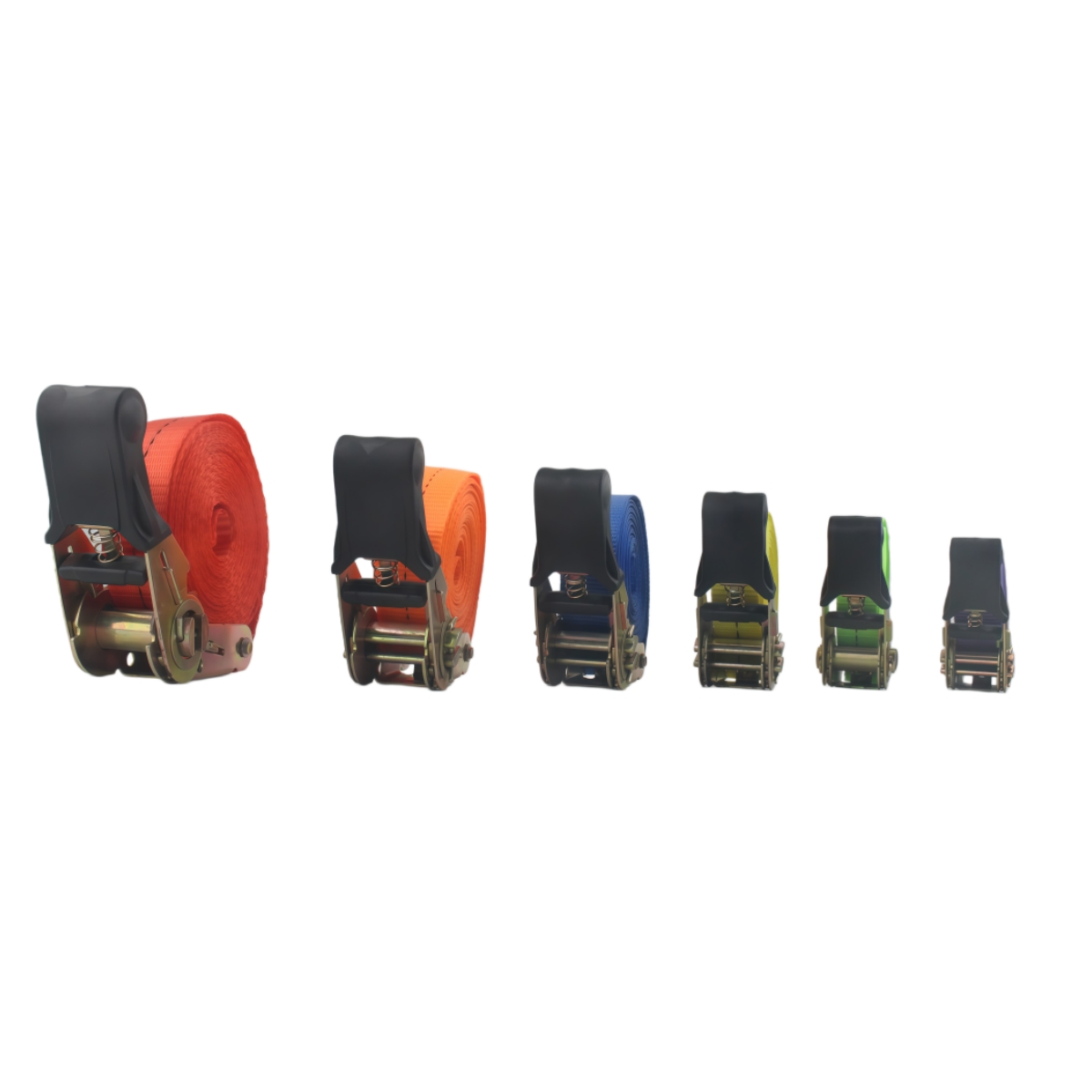
Choosing the width of ratchet tie down straps starts with the cargo and restraint job, not with a preference for the widest strap available. Width affects handling, fit around attachment points, contact with the load, and the capacity options available. The right ratchet tie down straps are wide enough for the task but compatible with the vehicle, hooks, and working load limit you need.

For most buyers, the decision comes down to matching strap width to load weight, tie-down hardware, available space, and how often the cargo moves. Ratchet tie down straps should also suit the load’s shape and surface, since a strap that is difficult to position can encourage poor routing. Use the guidance below to select a practical width and confirm the full restraint system is suitable.
Start with the load and restraint task
Separate cargo weight from strap capacity
Begin by identifying the load’s weight and how it will be restrained: direct tie-down, over-the-top restraint, or securing several items together. Ratchet tie down straps are only one part of the system, so their width cannot establish capacity by itself. Check the product label for working load limit and follow the applicable securement requirements for your vehicle and cargo.
A wider webbing option may be available with a higher working load limit, but width alone does not prove that a strap can safely restrain a particular load. Ratchet tie down straps also depend on webbing material, stitching, ratchet hardware, end fittings, and the way the strap is routed. Compare labeled ratings for the complete assembly rather than estimating strength from appearance.
Consider load shape and contact pressure
For broad, stable cargo, wider ratchet tie down straps can spread contact over more of the surface and may be easier to position across a large bundle. That does not remove the need for edge protection or careful tensioning. Ratchet tie down straps should not be tightened until they deform fragile packaging, crush components, or place concentrated pressure on a vulnerable edge.
Narrower ratchet tie down straps can be easier to route through small openings, around compact items, or between closely spaced anchor points. This can help when securing equipment with limited clearance, provided the strap’s label confirms it is rated for the job. Check that the webbing lies flat and does not twist, bunch, or rub against sharp corners during transport.
Match strap width to equipment and handling
Check the ratchet and anchor compatibility
The ratchet assembly and end fittings must accept the webbing width without pinching or wandering. Before choosing ratchet tie down straps, measure the usable opening in the ratchet slot and inspect the anchor points, hooks, and rings. The strap should feed smoothly, while the hardware must seat securely and remain aligned when tension is applied.
A strap that is wider than the ratchet or anchor opening is not a workable upgrade. Conversely, ratchet tie down straps that are too narrow for a broad fitting may shift sideways and wear unevenly. If cargo uses fixed rails, roof-rack loops, or recessed points, check those dimensions first so the chosen width fits the actual restraint path.
Balance capacity with practical operation
Think about who will install the straps and how frequently the load changes. Ratchet tie down straps used in daily shipping need to be easy to inspect, position, tighten, and release without obstructing nearby cargo. For a one-off move, access and fit may matter more than choosing a heavier assembly that is cumbersome to handle.
Wider ratchet tie down straps can take up more storage space and may be less convenient around small or irregular items. Narrower webbing is often simpler to thread through tight gaps, but it should not be chosen solely because it is easier to handle. For light recreational cargo, a compact option such as ratchet tie down straps may suit the attachment layout when its stated rating and hardware match the use.
Verify the choice before securing cargo
Use ratings and routing as final checks
Before loading, compare the strap’s working load limit with the restraint plan rather than relying on break strength as an operating rating. Ratchet tie down straps must be used according to their labels and relevant transport rules. Account for the number of straps, tie-down angles, anchor capacity, and whether the method applies direct restraint or relies on friction.
Inspect ratchet tie down straps for cuts, abrasion, damaged stitching, distorted hardware, contamination, or illegible labels. A strap with visible damage should not be returned to service merely because its width seems generous. Keep webbing clear of hot surfaces, sharp edges, and moving parts, and use suitable corner protection where the load could abrade the strap.
Confirm fit with a trial setup
A dry fit helps reveal problems before the cargo is on the road. Position ratchet tie down straps as planned, check whether the ratchet handle has room to operate, and confirm the hooks cannot slip off their anchors. The webbing should contact the intended surfaces without twisting, trapping cables, or interfering with doors and other equipment.
After tensioning, check that the load remains stable and the straps have not shifted. Ratchet tie down straps should hold the cargo without crushing it or making the anchor points flex. Recheck tension after a short interval when appropriate, especially if the load settles, and follow the vehicle and equipment instructions for safe travel and unloading.
FAQ
Is a wider strap always safer?
No. Wider ratchet tie down straps may distribute contact over a broader area, but width alone does not determine safe capacity. Confirm the labeled working load limit, hardware compatibility, anchor strength, and restraint method. Choose ratchet tie down straps that fit the job and can be routed without damage, rather than defaulting to the widest option.
What width suits small cargo or tight spaces?
A narrower option can be easier to thread around compact cargo and through limited openings, provided its rating is appropriate. Check that ratchet tie down straps fit the ratchet slot and anchor fittings, then verify the webbing lies flat. The most convenient width is not suitable unless the full assembly meets the load requirement.
Should I choose width by cargo weight alone?
No. Cargo weight matters, but restraint angles, anchor locations, surface protection, hardware, and the strap’s working load limit also affect selection. Compare ratchet tie down straps as complete assemblies and follow the relevant securement guidance. A correctly rated width that fits the load and attachment points is more useful than a weight-only guess.