 EN

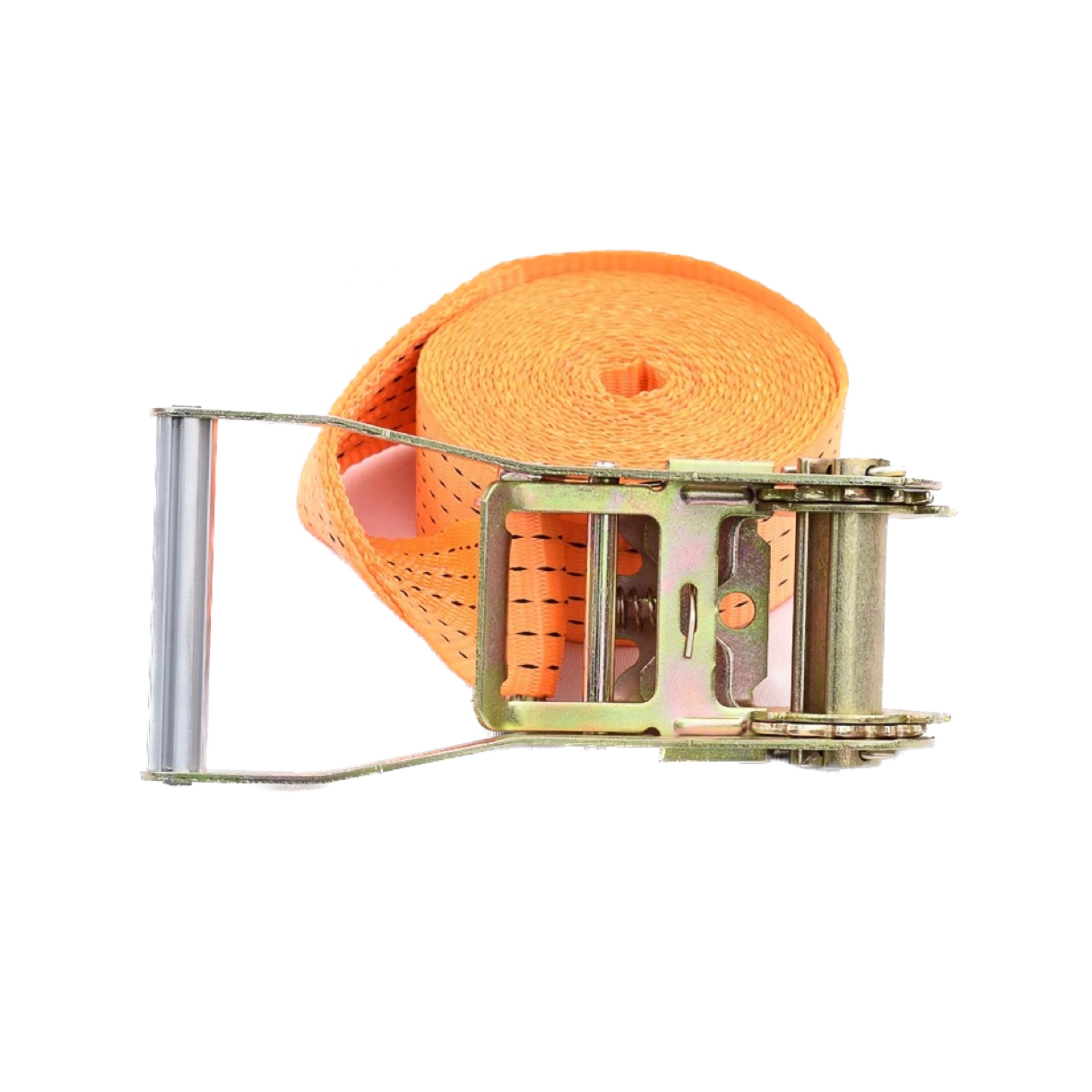
Ratchet tie down straps are often a better choice than cam buckles when cargo needs firm, adjustable restraint during transport. Their ratcheting mechanism lets an operator build tension in controlled increments, making them useful for heavier or less stable loads. That advantage does not make them right for every job: load weight, surface sensitivity, and safe working limits still matter.
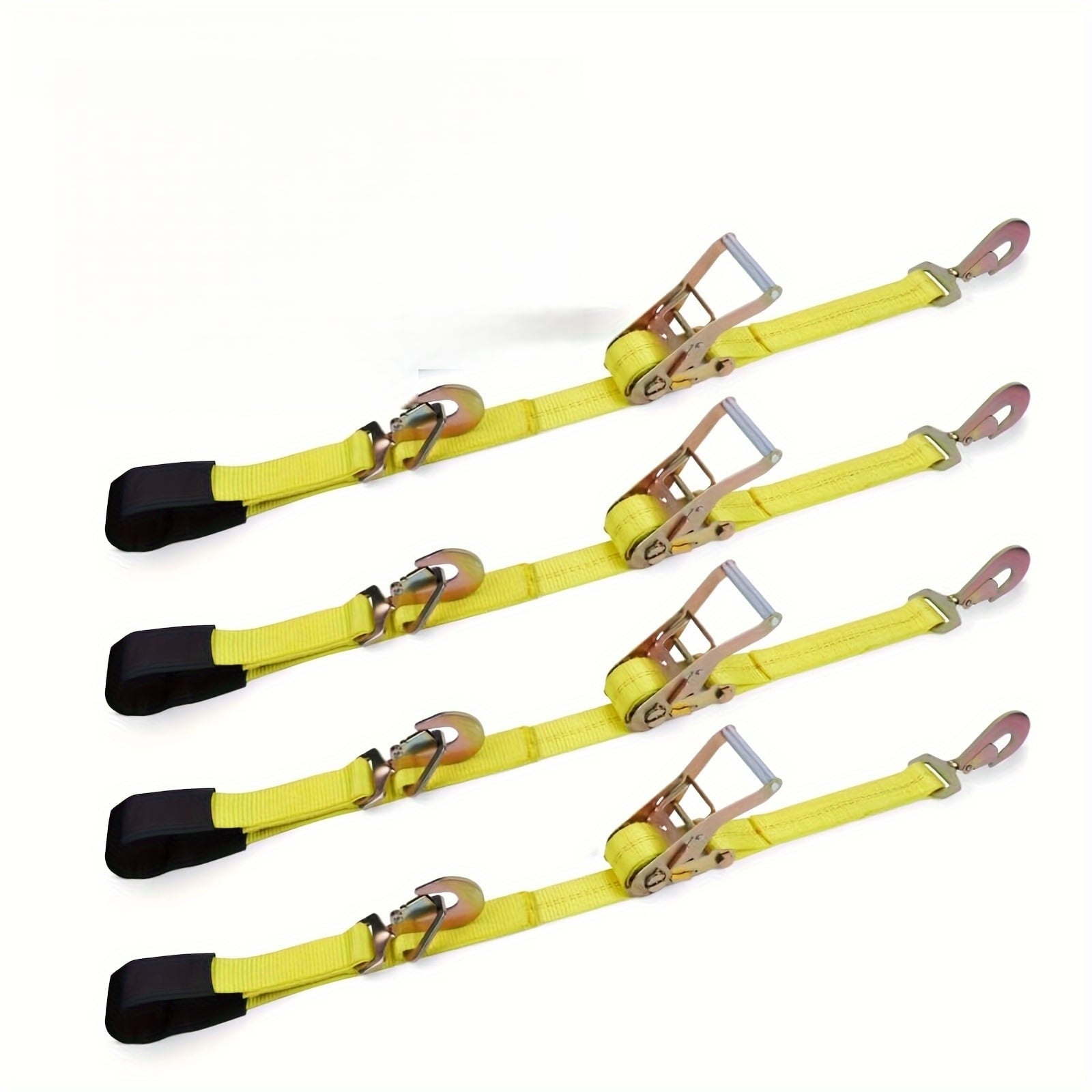
The key difference is how each buckle applies and holds force. Ratchet tie down straps use a handle and geared spool to tighten webbing, while cam buckles rely on hand tension and a cam that grips the strap. Understanding this difference helps fleet teams, installers, and shippers choose restraint that matches the cargo rather than simply reaching for the strongest mechanism.
How Ratchets Create Greater Tension
Mechanical leverage builds force gradually
A ratchet handle provides mechanical leverage, so an operator can pull webbing tighter than hand force alone typically allows. With ratchet tie down straps, each handle movement advances the spool and takes up slack in measured increments. That makes it easier to snug a load against a stop or support before the vehicle moves.
The mechanism also holds tension as the handle closes, reducing the chance that the strap will slip back during tightening. Ratchet tie down straps can therefore restrain dense equipment, bundled materials, or machinery that may shift under braking. The benefit is controlled tension, not permission to apply unlimited force or ignore load ratings.
By comparison, a cam buckle releases webbing when its cam is lifted, and tension comes mainly from pulling the free end by hand. This simple action is quick, but the achievable tension depends on the user's grip and access. Ratchet tie down straps are useful when that hand-pulled tension would leave meaningful slack.
Tension control matters on the road
A load can move when a truck turns, brakes, or travels over uneven pavement. Ratchet tie down straps help reduce movement by drawing webbing firmly across or around cargo, provided the restraint is routed correctly. A properly tightened system limits shifting; it does not substitute for blocking, bracing, or a secure loading plan.
Operators should tighten in stages and check whether cargo remains stable instead of cranking the handle as hard as possible. Excessive force can damage packaging, deform softer goods, or stress attachment points. Ratchet tie down straps should be selected and tensioned according to the cargo, anchor points, and the applicable working load limits.
For routine shipping, consistent tension can also make load checks more practical. A worker can inspect the webbing, buckle position, and cargo contact after tightening, then recheck during the trip when required. Ratchet tie down straps make adjustments straightforward, but users still need training to identify twisting, abrasion, and loose hooks.
Where Ratchets Outperform Cam Buckles
Heavier and shifting cargo
Ratchet tie down straps generally suit heavier loads because their mechanism can take up slack and create firmer restraint. Examples include equipment on a trailer, building materials, and secured cargo with a tendency to settle. The actual fit depends on the strap's rated capacity and the complete load-securing arrangement, not the buckle alone.
Cargo shape is important too. A rigid item with suitable tie-down points may benefit from the strong, adjustable hold of ratchet tie down straps. Irregular loads may need multiple restraint points or edge protection so webbing does not slide, cut against corners, or concentrate force on one vulnerable area.
In commercial operations, the ability to retighten can be valuable after materials settle during handling or transit. Ratchet tie down straps allow slack to be taken out without removing the entire restraint. Workers should nevertheless pause to inspect the load and strap condition; tightening a damaged strap or unstable stack will not correct the underlying hazard.
Cam buckles for lighter or delicate loads
Cam buckles can be the better option for light loads, quick tie-downs, or items that could be crushed by high tension. Their direct hand operation offers useful control when only modest restraint is needed. For example, ratchet tie down straps may be excessive for delicate cartons, while a cam buckle can secure them gently.
Speed and simplicity can also favor a cam buckle for frequent adjustments. The operator feeds webbing through the buckle and pulls it tight without working a handle. Ratchet tie down straps take more steps to thread, tension, and release, so that added control is worthwhile mainly when the cargo requires it.
The choice is not a contest in which one buckle wins every time. If a surface is fragile, a load is light, or high compression could cause damage, a cam buckle may provide adequate restraint with less risk. Ratchet tie down straps are the stronger fit when additional tension is needed and the load can safely tolerate it.
Choosing and Using the Right Restraint
Match capacity and hardware to the load
Before selecting ratchet tie down straps, establish the cargo weight, expected movement, and available anchor points. Check the working load limit marked on the strap and follow relevant transport requirements. Do not treat breaking strength as the allowable working capacity; those figures describe different limits and must not be substituted for one another.
Inspect the full assembly, including webbing, stitching, ratchet, hooks, and rings. Hardware must fit the anchor points securely, and the webbing should be free of cuts, severe abrasion, chemical damage, or other defects. Ratchet tie down straps with twisted webbing or poorly seated hooks may not perform as intended, even when the buckle itself appears sound.
A product configuration such as ratchet tie down straps illustrates why webbing dimensions and end fittings should be reviewed alongside capacity. Confirm that length reaches the anchor without unsafe extensions, and that hooks or rings suit the vehicle and cargo attachment points.
Apply tension without creating new risks
Position ratchet tie down straps so the restraint bears on a stable part of the cargo and does not cross sharp edges unprotected. Keep the buckle accessible for inspection and release. When multiple straps are needed, distribute them to control the directions in which the load could move rather than concentrating restraint in one place.
Tighten until the load is secure, then check for crushed packaging, bent components, or strained anchors. A strap that is very tight is not automatically safer. Ratchet tie down straps must stay within rated limits, and cargo should be supported by appropriate blocking or bracing whenever straps alone cannot prevent movement.
After loading, verify that the handle is closed and secured, loose webbing is managed, and no strap can contact hot or moving parts. Reinspect when conditions or regulations call for it, especially after the load settles. These steps let ratchet tie down straps deliver their tension advantage while keeping the restraint system dependable and suitable for the shipment.
FAQ
Are ratchet tie down straps always safer than cam buckles?
No. Ratchet tie down straps can provide more tension, but that is useful only when cargo and anchors can handle it. For fragile or light items, a cam buckle may offer adequate restraint with less chance of crushing. Choose based on load, ratings, and the complete tie-down arrangement.
Can ratchet straps damage cargo?
Yes, excessive pressure or unprotected edges can damage goods and webbing. Use suitable edge protection, place straps over stable areas, and tighten only as much as needed. Ratchet tie down straps should never be used to compensate for an unstable stack or an unsuitable anchor point.
What should be checked before using ratchet straps?
Confirm the working load limit, strap length, compatible fittings, and condition of the webbing and hardware. Check that attachment points are secure and that the routing controls likely cargo movement. Ratchet tie down straps with visible damage should be removed from service rather than relied upon for transport.