 EN

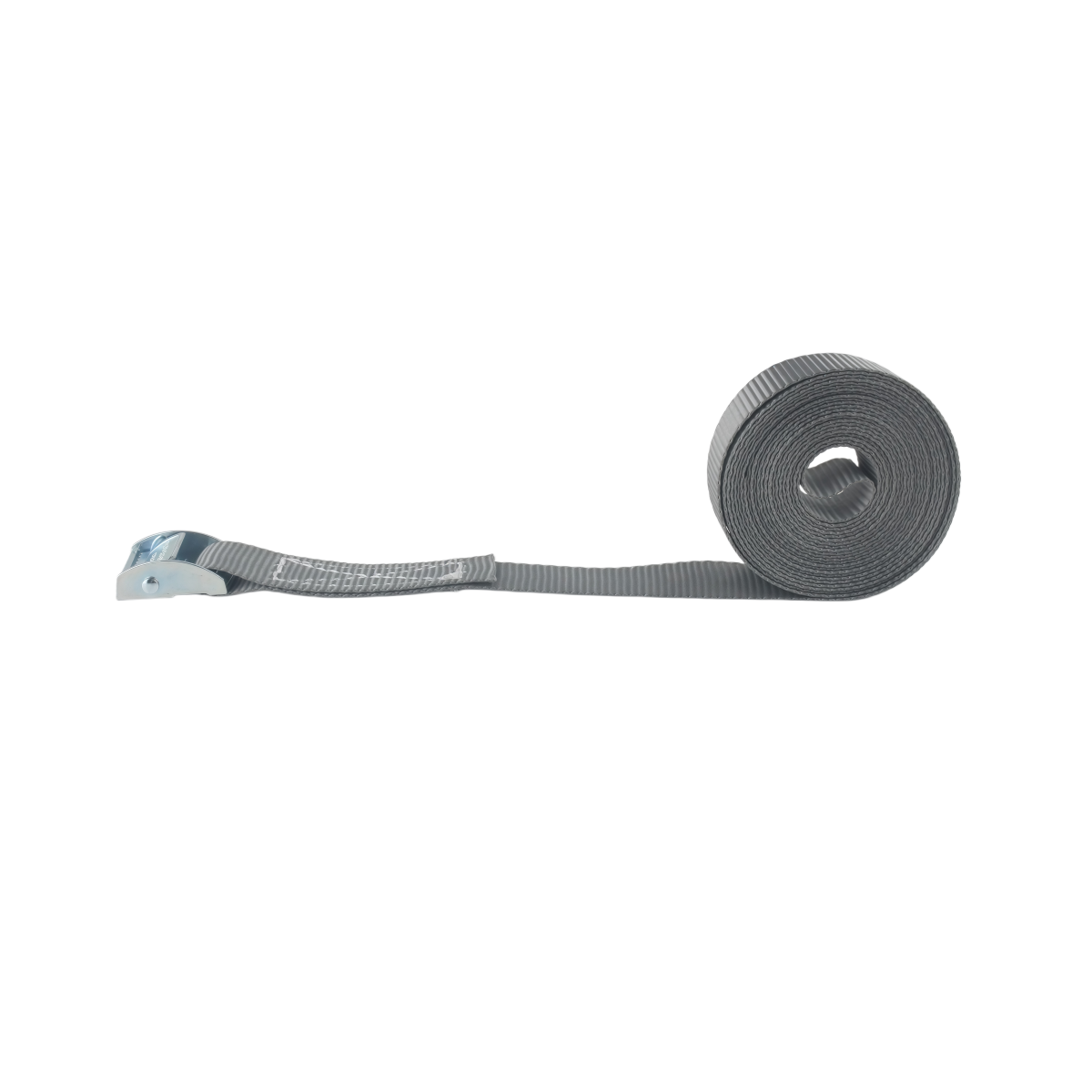
Ratchet straps are adjustable tie-down assemblies used to restrain cargo during transport. They combine webbing, end fittings, and a ratcheting tensioner, allowing operators to apply controlled tension instead of relying on knots. Understanding what ratchet straps do is only the first step; safe use also depends on choosing a suitable assembly, connecting it correctly, and checking the load throughout a journey.
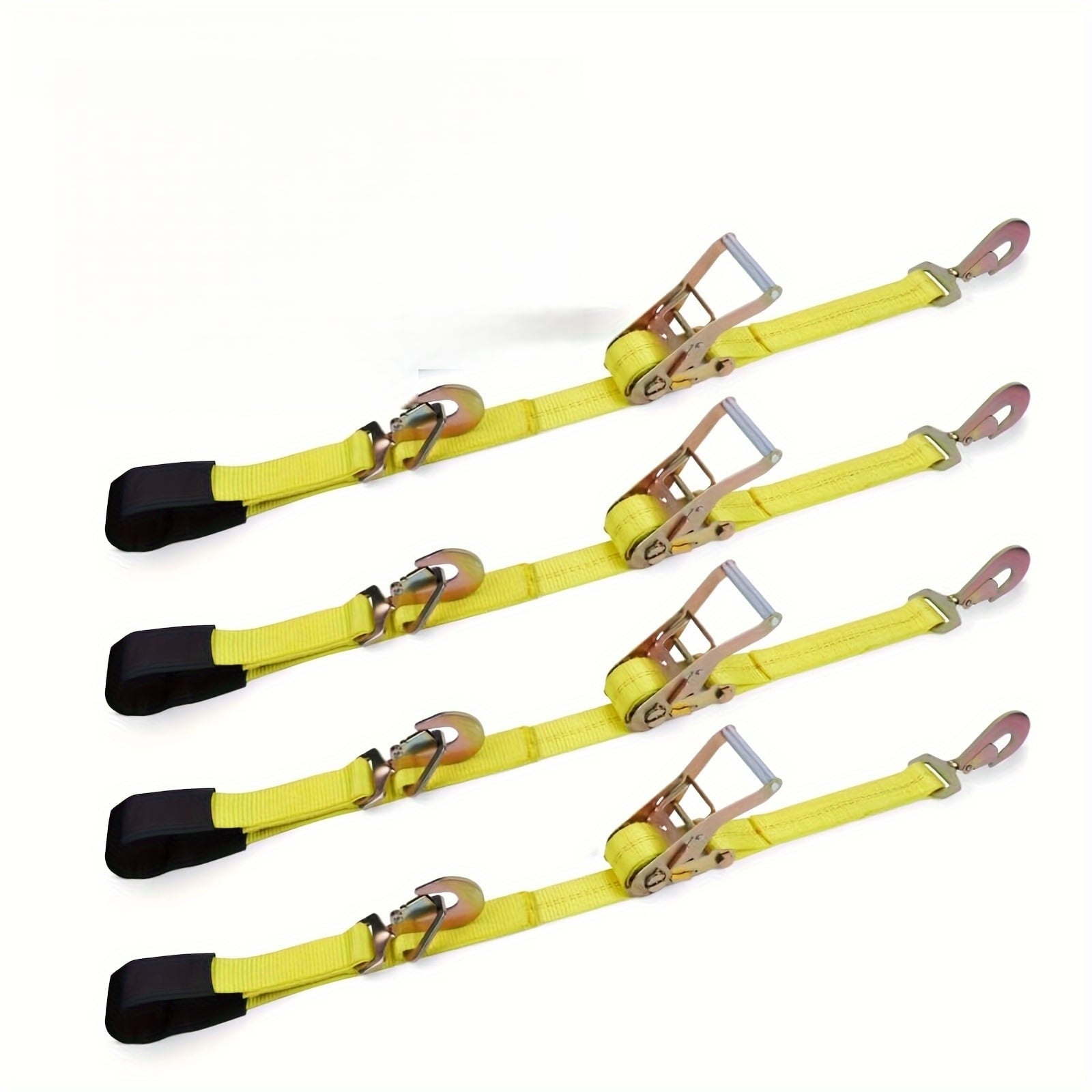
A ratchet strap does not make cargo safe simply because it feels tight. Operators need to understand how ratchet straps create and maintain tension, what their rated capacity means, and how load shape affects restraint. This guide explains the components and operating sequence, then covers practical safety checks for securing equipment, materials, and other freight on vehicles.
What Ratchet Straps Are Made Of
Webbing, tensioner, and end fittings
Most ratchet straps have three working elements: woven webbing, a metal tensioner, and end fittings that connect to anchor points. The webbing wraps around or across cargo, while the tensioner takes up slack. When selecting ratchet straps, check the stitching, hardware condition, strap width, and fitting style together; each part contributes to the assembly’s safe use.
The tensioner contains a handle, spool, and pawl mechanism. Pulling the handle turns the spool and winds in webbing; the pawl engages the ratchet teeth to prevent the spool from freely unwinding. Ratchet straps may use different hooks or other fittings, so confirm that the chosen end connection fits the vehicle anchor securely and cannot easily shift or disengage.
Capacity labels and load restraint
A working load limit indicates the load a tie-down is rated to restrain under stated conditions; it is not the same as breaking strength. Read the product label and use ratchet straps within the applicable rating. Do not assume that combining several straps automatically makes an unsafe arrangement acceptable, because angle, anchor strength, and load movement affect restraint.
The cargo itself also shapes the tie-down plan. Ratchet straps need stable anchor points and a route that resists likely movement, including forward, sideways, and rearward forces. Consider whether the load can roll, slide, tip, or damage the webbing at an edge. Use suitable edge protection or blocking where needed, and never treat a strap as a substitute for sound load placement.
How the Ratchet Mechanism Works
Routing and applying tension
To operate ratchet straps, first position the load and identify compatible anchor points on opposite sides. Attach the fittings without twisting the webbing, then pass the free end through the spool slot as the instructions specify. Pull out slack by hand before pumping the handle. This setup lets the mechanism tighten the webbing efficiently rather than wasting handle strokes taking up loose material.
As the handle moves, the spool winds the free webbing and the pawl holds each increment of tension. Ratchet straps should be tightened enough to prevent foreseeable movement, but excessive force can damage cargo, fittings, anchors, or the webbing. Apply tension progressively and check that pressure is distributed appropriately. If the load is delicate or compressible, use protective material and reassess as it settles.
Locking and releasing safely
When tension is set, close the handle fully into its locked position so the pawl remains engaged. Keep fingers clear of pinch points, and verify that the webbing lies flat on the spool without bunching. Properly secured ratchet straps should not have loose tails that can flap into traffic or become caught. Secure excess webbing without tying knots that interfere with inspection or adjustment.
Release the tension only when the cargo is supported and the area is clear. Open the handle according to the tensioner design to disengage the pawl, then control the handle as the spool unwinds. Ratchet straps can release stored force suddenly if handled carelessly. Do not stand in the line of tension, and avoid forcing a jammed mechanism; isolate the load and follow the product instructions.
Safe Use, Inspection, and Common Risks
Pre-use inspection and securement checks
Before every use, examine ratchet straps for cuts, fraying, damaged stitching, chemical contamination, heat damage, or other deterioration. Check the tensioner for bent parts, corrosion, cracked welds, and a pawl that does not engage. Inspect hooks and anchor points for deformation or cracks. Remove questionable equipment from service rather than estimating whether it might still hold.
After tightening, walk around the vehicle and confirm that ratchet straps remain aligned, fittings are seated, and the cargo cannot shift into a hazardous position. Check that no strap crosses a sharp edge without protection or contacts a hot surface. Stop and correct any issue before departure. During a trip, inspect the load at appropriate stops, especially after initial settling or changing road conditions.
Choosing and using the right assembly
Choose ratchet straps based on the load, anchor arrangement, required reach, and environmental conditions, not just appearance. Match the assembly’s working load limit to the securement plan and verify that each component is appropriate for the task. A longer strap may improve routing but can also leave more excess webbing to manage. Consult applicable transport rules and manufacturer instructions for the specific application.
Common problems include relying on a single tie-down for an unstable load, attaching hooks to unsuitable points, twisting webbing, and overtightening against fragile cargo. Ratchet straps work best as part of a complete restraint system that may also require blocking, bracing, or additional tie-downs. For a suitable heavy-duty cargo application, review the ratchet straps specifications and confirm compatibility with the load and anchor points.
FAQ
Can ratchet straps be used for lifting?
No. Ratchet straps are tie-down equipment for restraining cargo, not lifting slings. Their fittings, labels, and construction may not be rated for lifting loads. Use equipment specifically designed and rated for lifting, and follow the relevant procedures and instructions.
How tight should ratchet straps be?
Tighten enough to prevent expected cargo movement while avoiding damage to the load or securement components. The appropriate tension depends on the cargo, route, anchor points, and equipment ratings. Recheck the restraint after the load settles and during suitable travel stops.
When should ratchet straps be replaced?
Remove ratchet straps from service if webbing, stitching, hardware, or labels show damage that affects safe use, or if the assembly has been exposed to harmful conditions. Follow the manufacturer’s inspection guidance and workplace procedures; do not repair or reuse questionable equipment based on appearance alone.