 EN

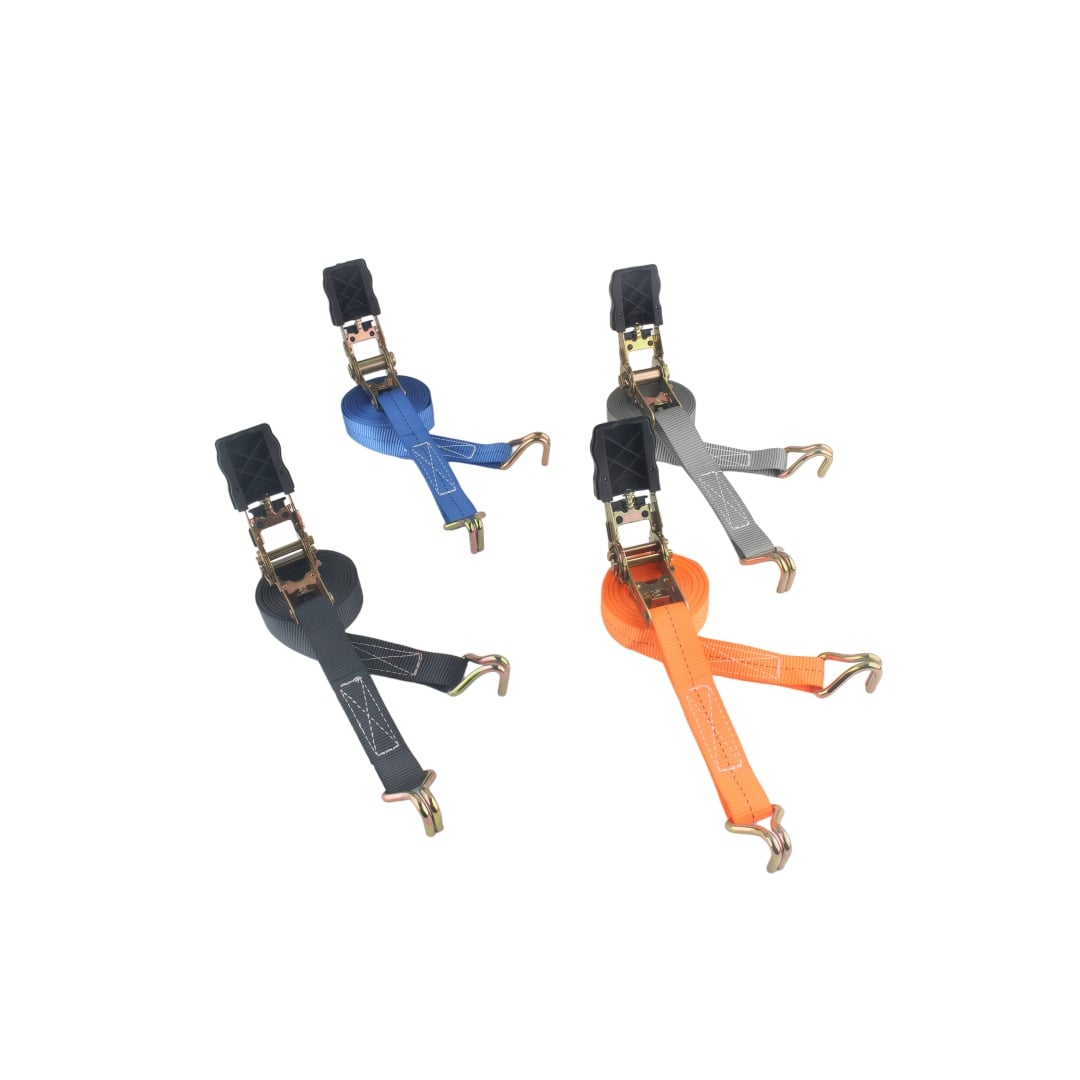
Ergo ratchet tie down straps are useful when cargo needs controlled tension and a dependable connection during transport. The right time to use ratchet tie down straps depends on the load, vehicle, route, and tie-down points, not simply on whether a strap is available. Understanding these conditions helps freight teams secure cargo without excessive force or an unsuitable restraint.
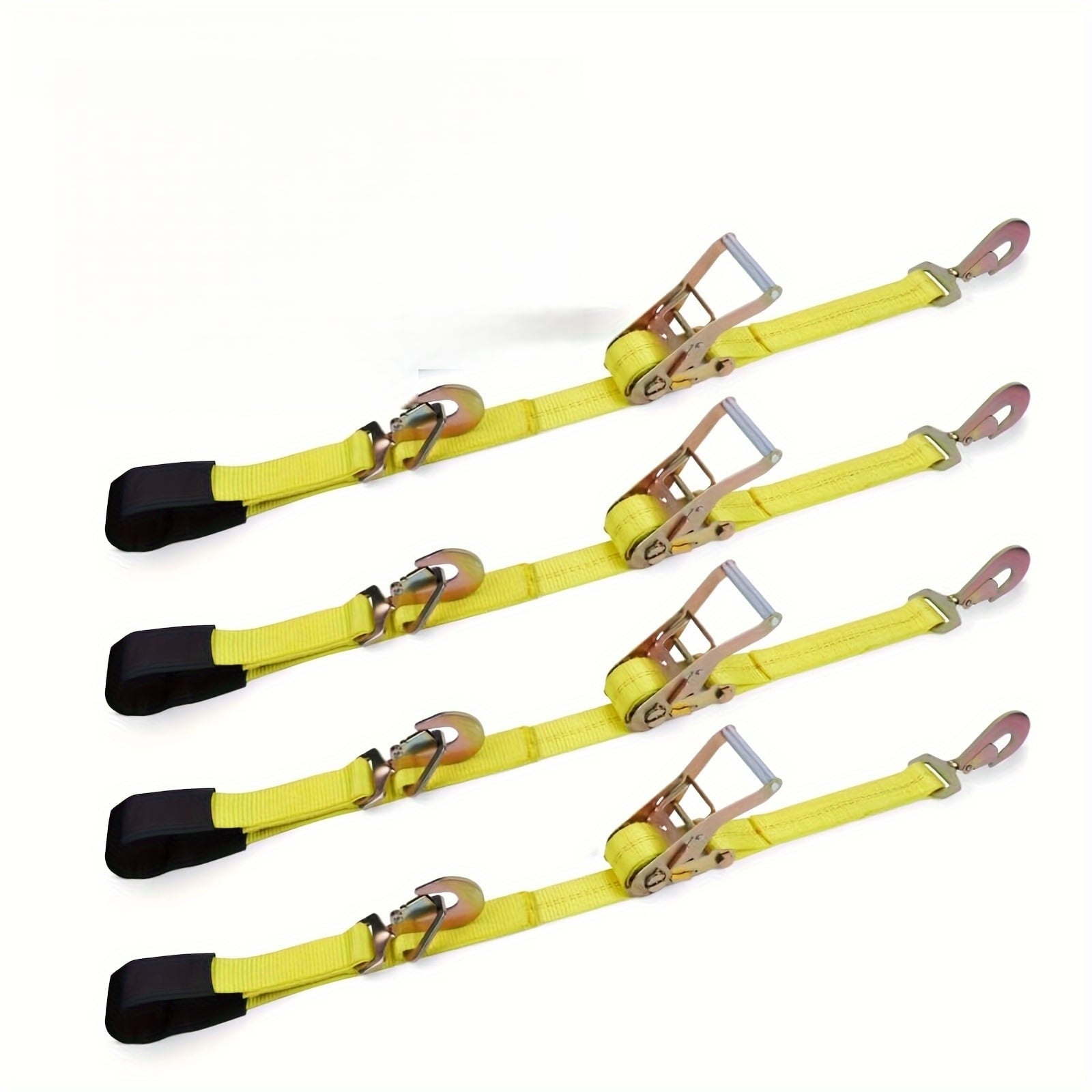
Use ratchet tie down straps when the cargo can be restrained by suitable anchor points and the strap can be routed without damage or obstruction. For operators, ratchet tie down straps are especially relevant when load movement could create a safety, quality, or delivery problem. The sections below explain the practical triggers, checks, and limits that determine when this restraint is appropriate.
Recognizing the right time to use ratchet straps
When cargo needs controlled tension
Choose ratchet tie down straps when a load needs firm, adjustable tension rather than a loose connection. The ratchet mechanism lets an operator take up slack in stages, making ratchet tie down straps helpful for securing machinery, palletized goods, building materials, or equipment on a suitable vehicle. This control matters when vibration and ordinary road movement could loosen a less adjustable tie-down.
They are a practical option when the cargo is stable enough to accept restraint pressure and the strap can be tightened without crushing, bending, or marking it. Before using ratchet tie down straps, assess the load shape and the points where pressure will land. Fragile edges may need protection, while an uneven load may call for a different arrangement or additional blocking.
When the transport conditions raise movement risk
Consider ratchet tie down straps when a trip includes braking, cornering, rough surfaces, or repeated handling that may shift cargo. These forces can act in different directions, so ratchet tie down straps should work as part of a planned restraint system rather than as a single improvised line. The route and expected handling help determine how many restraints and anchor points are needed.
A short trip is not automatically a low-risk trip. Sudden stops, loading-bay transitions, and uneven access roads can challenge a poorly secured load just as much as longer travel. Use ratchet tie down straps when the cargo assessment shows that tensioned restraint is appropriate, then confirm that the vehicle structure and tie-down points are suitable for the intended load.
Checks to make before loading and tensioning
Confirming cargo, anchors, and strap fit
Before selecting ratchet tie down straps, verify the load weight, shape, and applicable securement requirements. Match the strap assembly and its rated capacity to the task, allowing for the way the restraint will be applied. Ratchet tie down straps cannot compensate for weak anchor points, an unstable stack, or a load that exceeds the vehicle’s capacity.
Inspect the webbing, stitching, ratchet, hooks, and connecting hardware for damage, deformation, or contamination. Do not use ratchet tie down straps with cuts, severe abrasion, unreadable identification, or components that do not engage correctly. Check that hooks and other fittings connect securely to rated anchors, rather than resting on an edge or attaching to an unsuitable surface.
Planning the route and restraint arrangement
Plan the strap path before tightening. Ratchet tie down straps should lie flat, avoid twists, and stay clear of sharp edges, hot surfaces, and moving parts. Use edge protection where contact could abrade the webbing, and choose an arrangement that restrains the load in the directions it may move. A sound layout also reduces the chance of straps interfering with one another.
Keep the ratchet handle accessible and position it so it cannot strike cargo or vehicle components during travel. When ratchet tie down straps pass over goods, consider whether the pressure could deform packaging or damage the product. If a direct tie-down would be unsuitable, revise the loading plan or select a restraint method designed for that cargo rather than forcing the strap arrangement.
Using straps responsibly through the journey
Tensioning without damaging the load
Tighten ratchet tie down straps gradually, removing slack while watching how the cargo responds. Apply enough tension for the intended securement, but do not assume that maximum force is always safer. Excessive tension can damage cargo, hardware, or anchor points. After tightening, check that ratchet tie down straps remain flat and that the load has not shifted or become distorted.
Close and secure the ratchet mechanism as its design requires, then manage loose webbing so it cannot flap or snag. Do not extend a handle for extra leverage unless the equipment instructions explicitly allow it. Ratchet tie down straps rely on the complete assembly working correctly, so a sound buckle cannot make damaged webbing or an unsuitable hook safe to use.
Rechecking during transit and after unloading
Recheck the load after initial movement and at appropriate stops, especially when the cargo can settle or the route is demanding. A shift may reduce tension, so inspect ratchet tie down straps and anchors before continuing. Follow workplace procedures and applicable transport rules for inspection frequency; do not wait for a visible problem if a scheduled check is required.
After unloading, release tension carefully and inspect the equipment again. Store ratchet tie down straps clean, dry, and protected from conditions that can degrade webbing or hardware. Remove questionable equipment from service according to company procedures. Consistent inspection records can help teams identify recurring damage sources, improve handling practices, and decide when replacement or a different restraint method is warranted.
FAQ
When should I choose ratchet straps instead of a simple tie?
Choose ratchet tie down straps when cargo needs adjustable tension and compatible rated anchors are available. They can help control slack for suitable loads during transport. First assess cargo strength, route conditions, and securement requirements. Ratchet tie down straps are not a substitute for blocking, appropriate packaging, or a restraint plan suited to the specific load.
Can ratchet straps be used for every type of cargo?
No. Ratchet tie down straps may be unsuitable for fragile, unusually shaped, or easily crushed goods unless the restraint design protects them. Evaluate pressure points, edges, attachment locations, and the strap assembly’s rating. If ratchet tie down straps cannot hold the cargo without damage or an unsafe connection, choose a different securement approach and follow relevant procedures.
What should I check before each trip?
Check the cargo stability, anchor connections, webbing condition, fittings, ratchet operation, and final tension. Confirm ratchet tie down straps are routed without twists or damaging contact and that loose ends are controlled. Reinspect as required during the journey. Any damaged component, questionable anchor, or shifted load is a reason to stop and reassess before proceeding.