 EN

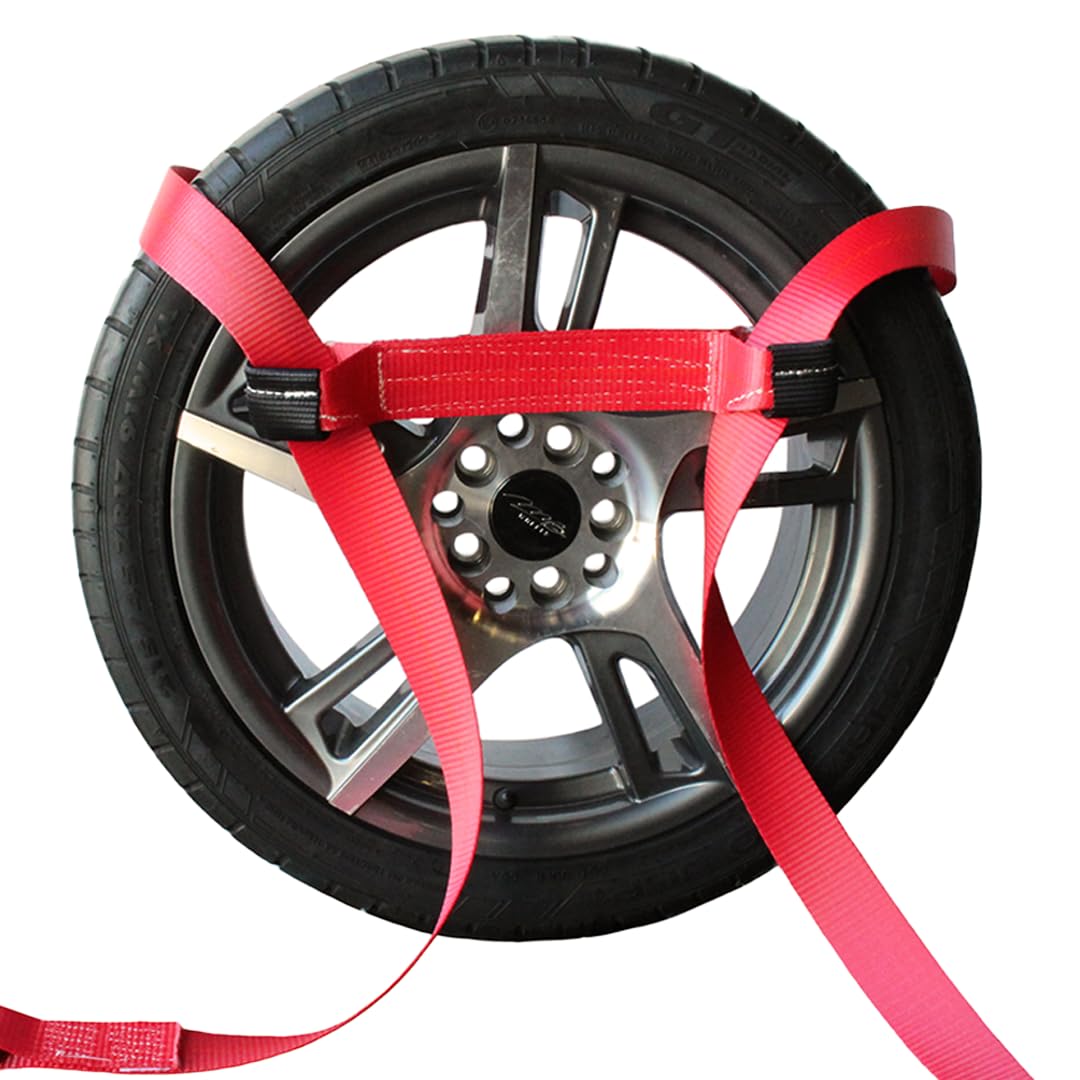
The WLL, or working load limit, tells you the maximum load that a tie-down assembly is rated to secure under specified conditions. For ratchet tie down straps, this figure is a practical selection and use limit, not a prediction of when a strap will fail. Reading it correctly helps you match equipment to cargo and avoid treating a higher break strength as permission to carry more load.
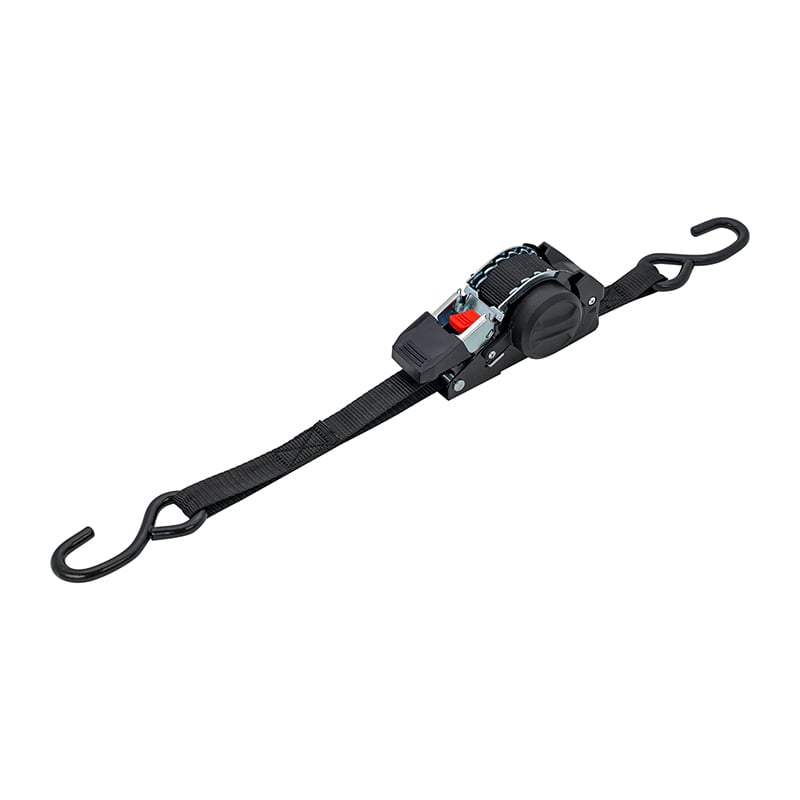
When evaluating ratchet tie down straps, start with the label and identify the WLL for the complete assembly. The hardware, webbing, stitching, and configuration all matter; the rating of one component alone does not establish the capacity of the assembled strap. Understanding that distinction makes it easier to choose ratchet tie down straps for a particular load and to check whether existing equipment remains suitable.
Understanding the Working Load Limit
What the WLL communicates
The working load limit on ratchet tie down straps is the maximum load assigned for routine securement when the product is used as intended. It is the figure to use when planning restraint capacity, subject to the manufacturer’s instructions and applicable transport requirements. Unlike a general description such as heavy duty, the WLL gives buyers and operators a defined rating to verify on the label of ratchet tie down straps.
A WLL does not mean that cargo may shift freely until the rated number is reached. Ratchet tie down straps help restrain movement, and the appropriate number and arrangement depend on the cargo, anchor points, direction of force, and journey conditions. A load that appears lighter than the combined WLL can still be unsafe if the straps are poorly positioned, the anchors are unsuitable, or the cargo can roll or slide.
WLL and break strength are different
Break strength describes the force at which a strap assembly may fail in a controlled test; it is not the operating capacity. Ratchet tie down straps can therefore have a break-strength figure higher than their WLL, with a safety factor separating the two ratings. Do not divide or reinterpret the numbers yourself to create a new allowable load. Use the stated WLL when selecting ratchet tie down straps for securement.
This distinction matters when product descriptions show both figures. A strap advertised with a high break strength is not automatically suitable for a heavier shipment if its WLL is lower. For ratchet tie down straps, confirm that the rating applies to the full assembly, including end fittings, rather than relying on webbing strength alone. If a label is missing or unreadable, do not guess the WLL from appearance or a similar-looking product.
Reading Ratings for a Cargo Application
Check the complete assembly and label
Before loading, inspect the identification label on ratchet tie down straps for the WLL, product information, and any use limitations. Check that hooks or other fittings match the intended anchor points and that the webbing has no cuts, severe abrasion, damaged stitching, heat damage, or chemical deterioration. A sound-looking strap still needs an identifiable rating; appearance cannot replace the specification provided for ratchet tie down straps.
The lowest-rated component can govern the capacity of the working assembly. A strong length of webbing does not compensate for a weak, damaged, or incompatible fitting. When a ratchet tie down straps assembly is used in a different configuration from the one specified, the marked rating may no longer apply. Follow product instructions for routing and connection, and seek clarification from the manufacturer when configuration or labeling is uncertain.
Match capacity to the load and setup
Calculate securement needs for the actual cargo rather than selecting ratchet tie down straps by a vehicle’s advertised carrying capacity. Consider load weight, shape, center of gravity, friction, anchor strength, and the directions in which movement must be restrained. The number of straps and their placement affect how forces are shared. Do not assume every strap carries an equal portion of the load, particularly when angles or contact points differ.
A rating printed on ratchet tie down straps is not a complete securement plan. For example, a smooth, compact item may need different restraint from a tall machine that can tip, even if both weigh the same. Choose suitable anchor points, prevent sharp edges from cutting webbing, and arrange the straps to control foreseeable movement. Where regulations or workplace procedures specify a method, apply those requirements alongside the WLL of ratchet tie down straps.
Applying the WLL Safely in Daily Use
Use the rating as a planning limit
Use the WLL of ratchet tie down straps during planning, then verify the finished arrangement before travel or equipment movement. Tighten the ratchet enough to secure the cargo without damaging the webbing or crushing a vulnerable item. Excessive force does not increase the rated capacity and may damage the strap, cargo, or anchor. Ratchet tie down straps should stay correctly seated, with hooks fully engaged at approved points.
Recheck securement after the load has settled and at appropriate intervals during a trip, following relevant procedures. Vibration, shifting cargo, and changing conditions can loosen a setup or reveal a weak anchor. If ratchet tie down straps show damage, lose tension, or no longer control movement, stop where safe and correct the problem before continuing. Never respond to uncertainty by exceeding a marked WLL or improvising an unapproved connection.
Keep records and remove questionable straps
For operations that move cargo regularly, consistent inspection and clear storage practices make WLL checks more reliable. Keep ratchet tie down straps clean and dry as directed, protect them from sharp objects and harmful chemicals, and store them so labels remain legible. Workers should know how to identify the rating and recognize defects. A simple pre-use check helps prevent an unrated or damaged strap from entering service.
Remove ratchet tie down straps from use when the label is absent, the stitching is compromised, hardware is deformed, or damage makes safe service doubtful. Do not repair a load-bearing strap unless the manufacturer provides an approved method. Replace uncertain equipment with an assembly whose rating and condition can be verified. These practices keep the WLL meaningful: it applies to identifiable, intact ratchet tie down straps used in the specified manner.
FAQ
Is WLL the same as break strength?
No. WLL is the rated working limit for securement, while break strength refers to failure force under test conditions. Use the WLL when planning a load, and do not treat ratchet tie down straps as safe to operate near their break-strength figure.
Can I combine the WLL of several straps?
Not automatically. The effective capacity depends on strap angles, load distribution, anchors, and how the cargo can move. Multiple ratchet tie down straps may not share force evenly, so follow applicable securement rules and manufacturer guidance instead of simply adding labels together.
What should I do if a strap label is unreadable?
Do not estimate its capacity from size, color, or appearance. Set the strap aside until its rating and suitability can be verified, or replace it with clearly labeled ratchet tie down straps that meet the task requirements.