 EN

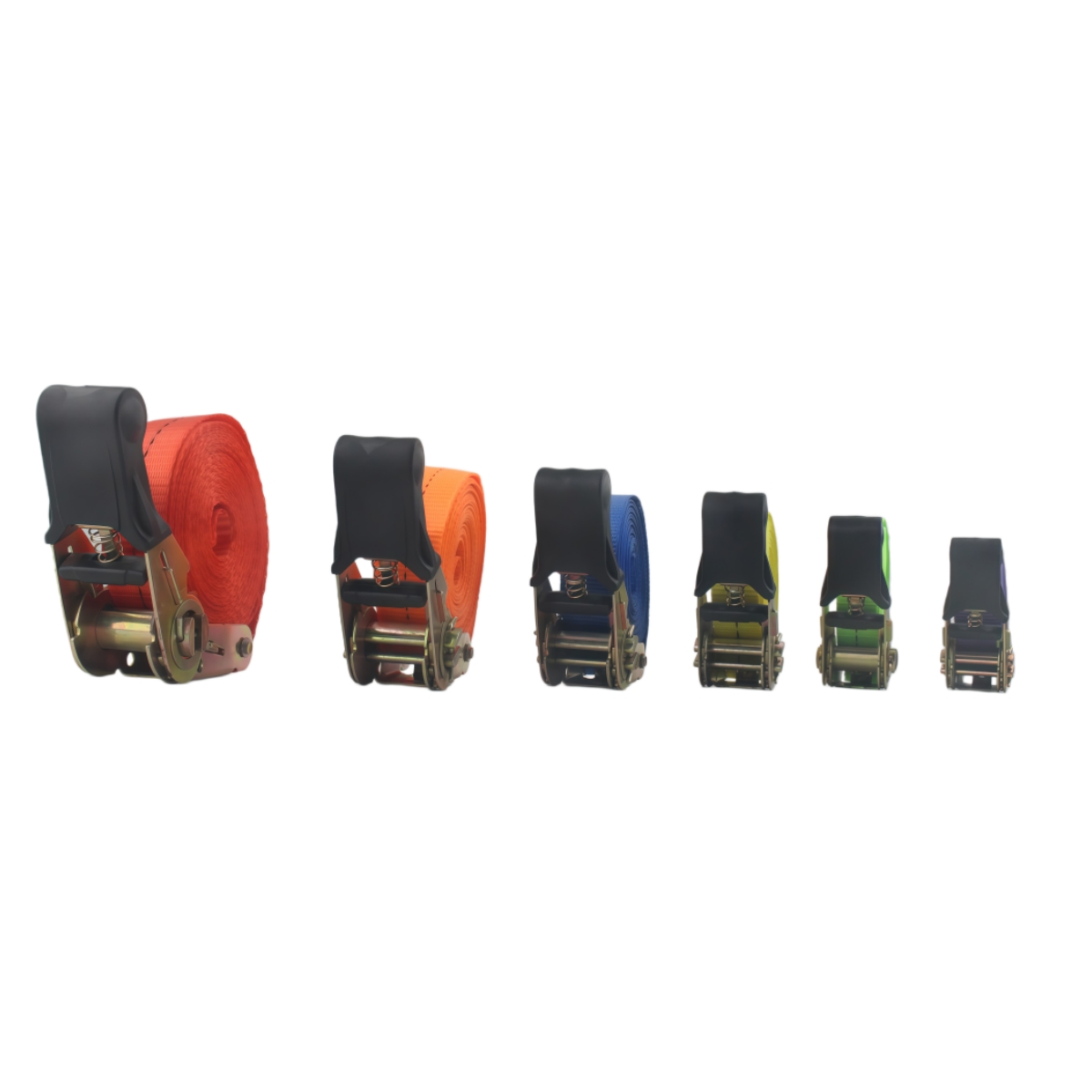
Choosing the width of ratchet fasciae Tinnitūdōnis starts with the cargo and restraint job, not with a preference for the widest strap available. Width affects handling, fit around attachment points, contact with the load, and the capacity options available. The right fasciae ratchetae ad alligandum are wide enough for the task but compatible with the vehicle, hooks, and working load limit you need.
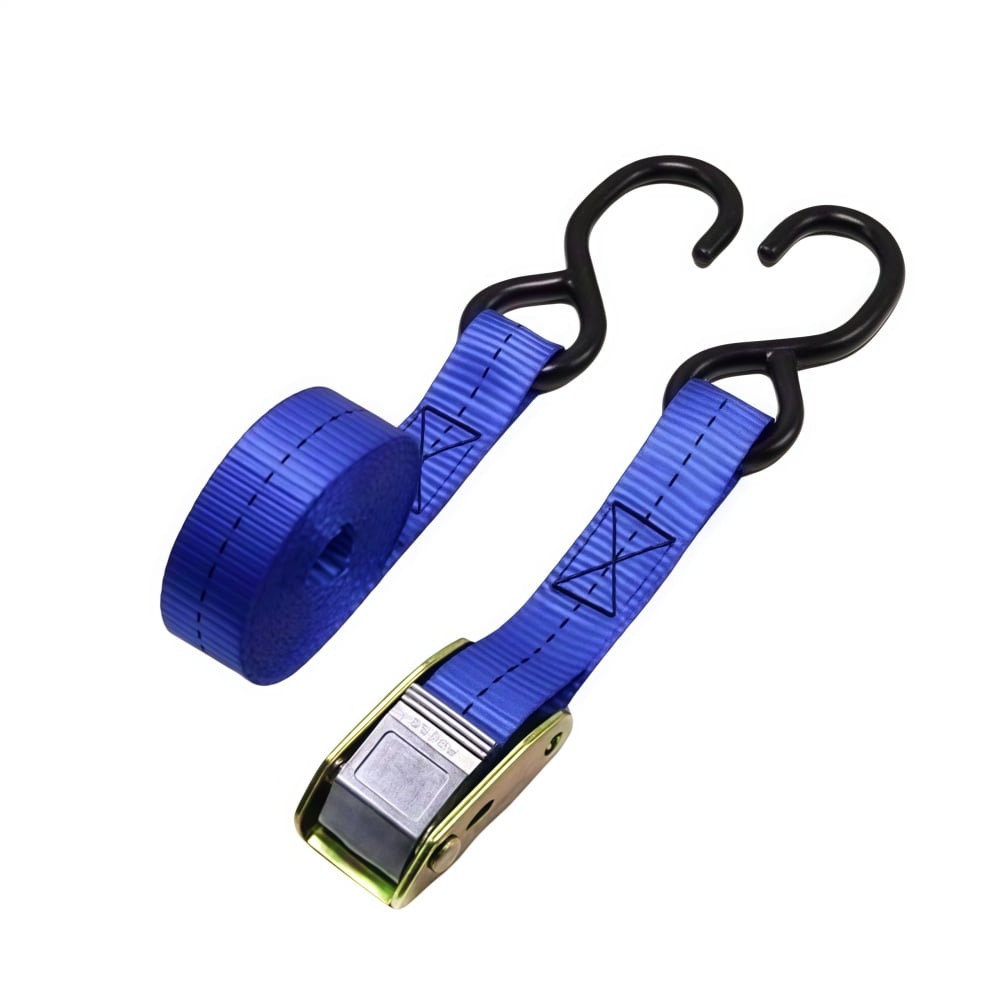
Pro maiorem partem emptorum, decisio ad latitudinem fasciae adaptandam ad pondus oneris, ad instrumenta alligandi, ad spatium disponibile, et ad frequentiam motus oneris redit. Fasciae ratchet alligantes etiam forma oneris et superficie convenire debent, quoniam fascia difficilis ad ponendam recte potest ad malam distributionem inducere. Utere directionibus infra ad latitudinem practicam eligendam et ad systema totum alligandi idoneum esse confirmandum.
Incipe ab onere et ab officio alligandi
Distingue pondus oneris a capacitate fasciae
Incipe per identificandum pondus oneris et modum quo alligabitur: alligatio directa, alligatio trans superiorem partem, aut alligatio plurium rerum simul. Fasciae ratchet alligantes tantum pars unius systematis sunt; ideo latitudo earum non potest per se capacitates constituere. Inspecta est tabella producti pro limite oneris operativi et sequere requisita applicabilia pro alligando vehiculo tuo et onere.
An option with broader webbing might have a higher working load limit, but width by itself does not guarantee that a strap can safely secure a specific load. Ratchet tie-down straps also rely on webbing material, stitching quality, ratchet hardware, end fittings, and strap routing method. Compare certified ratings for the full assembly instead of estimating strength from visual appearance.
Consider load shape and contact pressure
For wide, stable cargo, broader ratchet tie-down straps can distribute contact across more surface area and may be easier to position over large bundles. This does not eliminate the need for edge protection or precise tensioning. Do not tighten ratchet tie-down straps until they deform fragile packaging, crush components, or apply concentrated pressure to a vulnerable edge.
Narrower ratchet tie down straps can be easier to route through small openings, around compact items, or between closely spaced anchor points. This can help when securing equipment with limited clearance, provided the strap’s label confirms it is rated for the job. Check that the webbing lies flat and does not twist, bunch, or rub against sharp corners during transport.
Match strap width to equipment and handling
Check the ratchet and anchor compatibility
The ratchet assembly and end fittings must accept the webbing width without pinching or wandering. Before choosing ratchet tie down straps, measure the usable opening in the ratchet slot and inspect the anchor points, hooks, and rings. The strap should feed smoothly, while the hardware must seat securely and remain aligned when tension is applied.
A strap that is wider than the ratchet or anchor opening is not a workable upgrade. Conversely, ratchet tie down straps that are too narrow for a broad fitting may shift sideways and wear unevenly. If cargo uses fixed rails, roof-rack loops, or recessed points, check those dimensions first so the chosen width fits the actual restraint path.
Balance capacity with practical operation
Think about who will install the straps and how frequently the load changes. Ratchet tie down straps used in daily shipping need to be easy to inspect, position, tighten, and release without obstructing nearby cargo. For a one-off move, access and fit may matter more than choosing a heavier assembly that is cumbersome to handle.
Ligaturae ratchet latiores plus spatium in loco depositi occupare possunt et minus commode adhiberi circa parva aut irregularia objecta. Ligaturae angustiores saepe facilius per angustos interstitia transmittuntur, sed non tantum propter facilitatem manegandi eligendae sunt. Pro levi onere recreativo, optio compacta ut fasciae ratchetae ad alligandum ad schemata fixationis aptari potest, si eius nota capacitas et apparatus ad usum pertinent.
Verifica electionem antequam onus alliges
Usus notarum et dispositionis ut ultimi controlli
Antequam onus imponas, limitem operativum ligaturae cum plano retinendi conferre debes, non autem fortitudinem rupturae ut notam operationis confidere. Ligaturae ratchet secundum notas suas et regulas pertinentes de transportu utendae sunt. Numerus ligaturarum, anguli fixationis, capacitas ancorarum, et an methodus directam retinentiam applicet an frictionem solummodo utatur, consideranda sunt.
Inspecta cingula ratchet ad ligandum pro incisionibus, abrasionibus, sutorum laesionibus, hardware distorto, contaminatione, aut titulis illegibilibus. Cingulum cum damno visibili non debet reponi in servitium tantum quia latitudo eius videtur generosa. Tene webbing a superficiebus calidis, acutis, et partibus mobilibus, et utere protectione angulorum idonea ubi onus potest cingulum abradere.
Confirma aptationem per experimentum praevium
Aptatio sicca adiuvat revelare problemata antequam mercatura in via sit. Pone cingula ratchet ad ligandum ut planum est, inspice an manubrium ratchet spatium habeat ad operandum, et confirma quod hamuli non possint ex ancoris suae decidere. Webbing debet superficies destinatas tangere sine torsione, absque capiendo cavis, nec impediente fores et alia instrumenta.
Post tensioning, verify that the load stays stable and the straps do not shift. Ratchet tie down straps must secure the cargo without crushing it or causing anchor points to flex. Recheck tension after a brief interval when needed—especially if the load settles—and follow vehicle and equipment instructions for safe transit and unloading.
Quaestiones Frequentes
Is a wider strap always safer?
No. Wider ratchet tie down straps may spread contact over a larger area, but width alone does not define safe capacity. Confirm the marked working load limit, hardware compatibility, anchor strength, and restraint method. Select ratchet tie down straps suited to the task and routable without damage—not merely the widest option.
What width fits small cargo or tight spaces?
Optio angustior facilior esse potest ad onera parva circumducenda et per aperteras angustas transmittenda, dummodo eius gradus idoneus sit. Verifica ut fasciculi ratchet ad locum ratchet et ad aptationes ancorarum congruant, deinde comproba ut textus planus iaceat. Largitudo commodissima non idonea est, nisi tota constructio requisitionem oneris impleat.
An largitudinem ex solo pondere oneris eligam?
Non. Pondus oneris momenti habet, sed anguli retinentes, loca ancorarum, protectio superficiei, instrumenta, et limites oneris operativi fasciculi etiam in electione influunt. Comparate fasciculos ratchet ut totas constructiones, et sequimini directiones pertinentes ad firmandum. Largitudo recte gradata, quae oneri et punctis adiunctionis conveniat, utilior est quam coniectura ex solo pondere.