 EN
EN

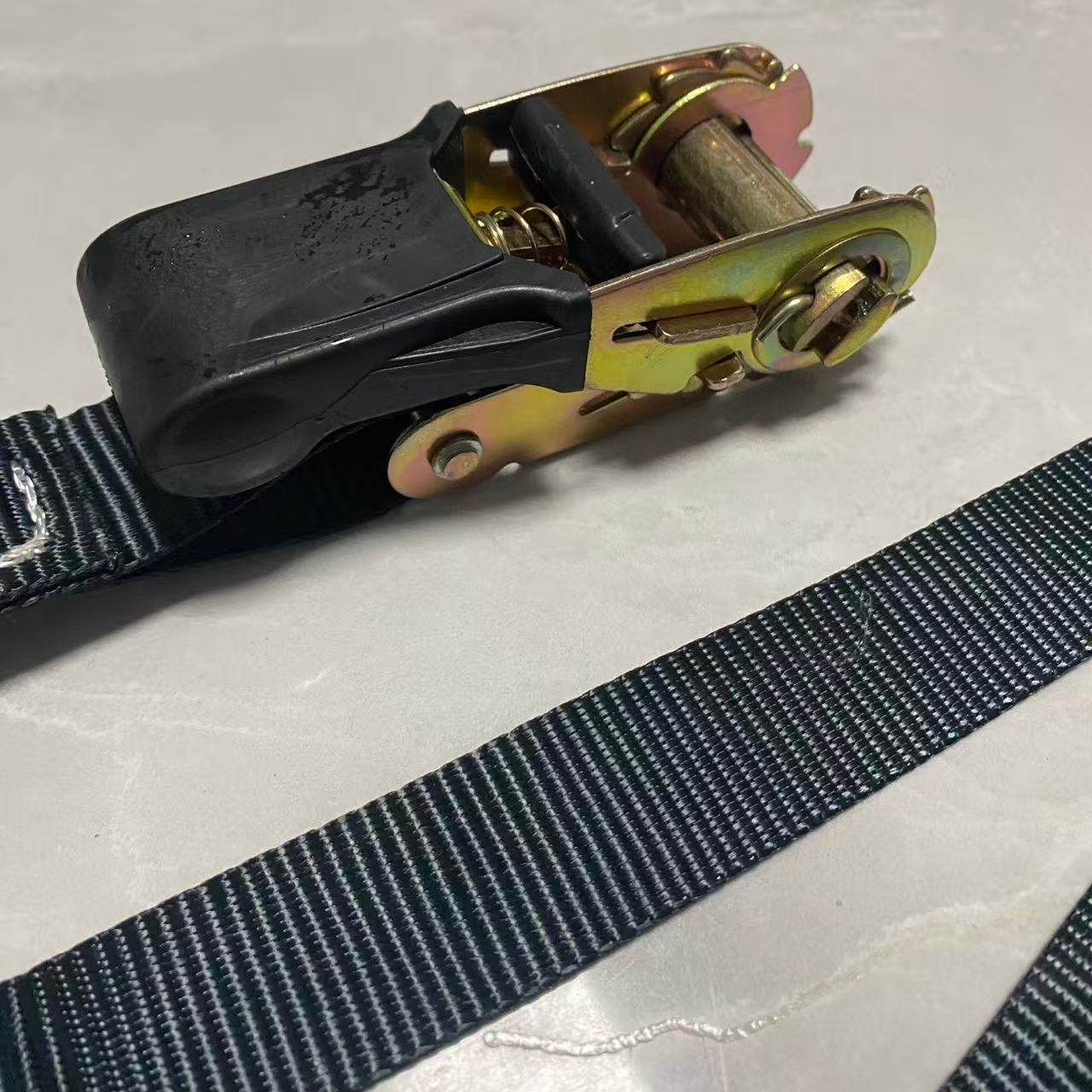
Tali pengikat merupakan peranti pengikat penting yang digunakan dalam sektor pengangkutan, logistik, dan industri untuk mengamankan kargo serta mencegah pergerakan semasa pengangkutan. Sama ada anda mengangkut barang di atas lori, mengamankan peralatan di atas troli, atau menstabilkan beban di dalam gudang, tali Pengikat Muatan memberikan daya mekanikal yang diperlukan untuk mengekalkan item dalam keadaan pegun dan selamat. Memahami cara kerja tali pengikat dan faktor yang menjadikannya berkesan adalah penting bagi sesiapa sahaja yang terlibat dalam pengendalian kargo, pengurusan armada, atau operasi rantai bekalan.
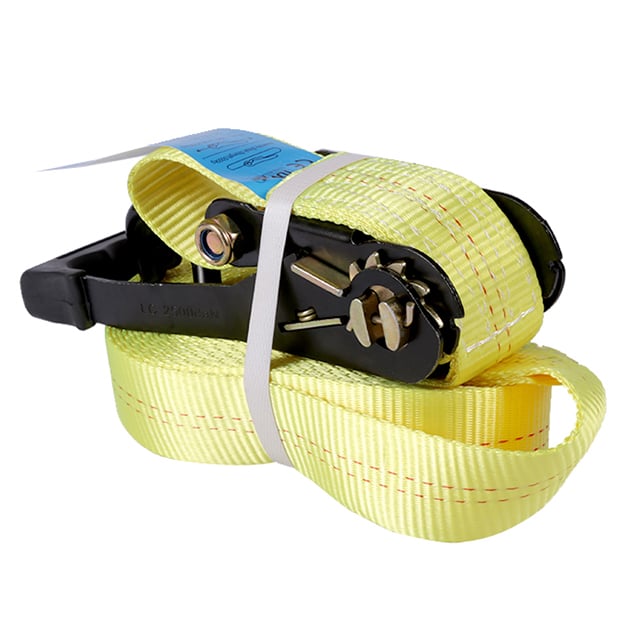
Tali pengikat menggabungkan kejuruteraan mekanikal yang ringkas dengan ketahanan praktikal untuk memberikan keselamatan muatan yang boleh dipercayai. Fungsi utama tali pengikat ialah mencipta ketegangan merentasi muatan, mengagihkan berat secara sekata dan menahan daya-daya yang mungkin mengalih atau menjatuhkan muatan. Dengan memahami rekabentuk, cara operasi, dan pemasangan tali pengikat, anda boleh membuat keputusan yang bijak mengenai penyelesaian yang paling sesuai untuk muatan dan situasi pengangkutan khusus anda.
Rekabentuk Utama dan Komponen Tali Pengikat
Bahan dan pembinaan
Tali pengikat biasanya diperbuat daripada poliester tenun berkualiti tinggi, polipropilena, atau gentian sintetik lain yang tahan terhadap sinaran UV, kelembapan, dan haus mekanikal. Bahan tali dipilih secara teliti untuk menyeimbangkan kelenturan dengan kekuatan tegangan, membolehkan tali pengikat menyesuaikan diri dengan bentuk beban tidak sekata sambil mengekalkan daya pegangan sepanjang penggunaan berpanjangan. Tali pengikat tugas berat sering dilengkapi jahitan diperkukuh di titik-titik tekanan, khususnya di bahagian tali yang disambungkan kepada cangkuk, gelang-D, atau gesper cam. Kaedah pembinaan ini memastikan tali pengikat mengekalkan integritinya di bawah kitaran ketegangan berulang dan keadaan beban ekstrem.
Perkakas lampiran
Tali pengikat diikatkan kepada muatan dan titik tambat melalui pelbagai komponen perkakasan, termasuk cangkuk-J, gelang-D, kelengkapan-E, dan gesper kamera. Setiap jenis sambungan direka untuk mengagihkan daya ke atas kawasan permukaan yang lebih luas, mengelakkan tali daripada memotong atau merosakkan muatan. Mekanisme ratchet merupakan salah satu sistem pengikat paling biasa yang terbina dalam tali pengikat, membolehkan pengguna menarik dan mengunci tali secara manual pada tahap ketegangan yang diingini. Kualiti dan rekabentuk titik sambungan ini secara langsung mempengaruhi seberapa kukuh tali pengikat dapat menahan muatan serta jangka masa fungsinya dalam persekitaran yang mencabar.
Cara Tali Pengikat Beroperasi Secara Mekanikal
Ketegangan dan Agihan Beban
Prinsip asas di sebalik tali pengikat ialah mencipta ketegangan terkawal yang menentang daya-daya yang bertindak ke atas muatan semasa pergerakan. Apabila tali pengikat dipasang dengan betul merentasi muatan, ia menghasilkan tekanan ke bawah dan sekatan sisi yang menghalang pergeseran akibat pecutan, brek, pusingan, atau getaran jalan. Jalur tali pengikat mengagihkan ketegangan ini ke seluruh permukaan sentuh, mengurangkan beban titik yang boleh merosakkan muatan atau menembusi bahan yang lebih lemah. Tali pengikat yang berkesan mengekalkan tekanan yang konsisten sepanjang perjalanan, menahan pelonggaran beransur-ansur akibat getaran atau penyesuaian kecil muatan.
Operasi Mekanisme Ratchet
Tali pengikat bergaya ratchet berfungsi melalui sistem tuil mekanikal dan kaitan sederhana yang membenarkan pengetatan satu arah. Apabila anda menarik tuil ratchet menjauhi plat asas, kaitan akan mengaitkan gigi ratchet, menarik tali lebar melalui mekanisme tersebut dan meningkatkan ketegangan pada beban. Melepaskan tuil akan mengunci tali lebar pada kedudukan tersebut sehingga anda secara manual melepaskan kaitan untuk melonggarkan tali pengikat. Kawalan secara langsung ini menjadikan tali Pengikat Engsel ideal untuk mengamankan beban dengan pelbagai saiz, kerana operator boleh menyesuaikan ketegangan mengikut ciri khusus setiap kargo. Kelebihan mekanikal yang diberikan oleh tuil ratchet mendarab daya manual, membolehkan seorang operator mencapai ketegangan tinggi tanpa usaha fizikal yang berlebihan.
Pemasangan dan Penggunaan Tali Pengikat
Teknik Pengamaman yang Betul
Memasang tali pengikat dengan betul bermula dengan menentukan kedudukan tali tersebut pada sudut yang sesuai merentasi muatan, biasanya pada sudut 45 darjah atau kurang terhadap satah mengufuk untuk kawalan muatan yang optimum. Pengendali berpengalaman memastikan tali pengikat melintasi pusat graviti muatan dan dipasangkan pada titik sauh di rangka kenderaan atau trailer yang direka khas untuk menahan daya muatan yang dijangkakan. Bilangan tali pengikat yang diperlukan bergantung kepada berat muatan, dimensinya, pusat gravitinya, serta jenis kenderaan yang digunakan. Kebanyakan piawaian pengangkutan mencadangkan konfigurasi minimum tali pengikat berdasarkan berat muatan, dengan muatan yang lebih berat atau kurang stabil memerlukan tambahan tali pengikat bagi memastikan keandalan dan keselamatan. Operator mesti memastikan tali pengikat kekal tegang sepanjang perjalanan, serta memeriksanya secara berkala semasa perjalanan jarak jauh untuk mengimbangi sebarang kehilangan ketegangan secara beransur-ansur.
Aplikasi Industri
Tali pengikat digunakan dalam pelbagai sektor industri, termasuk pengangkutan automotif, penghantaran peralatan, logistik bahan pembinaan, dan pusat pemenuhan e-dagang. Dalam industri pembinaan, tali pengikat mengamankan jentera, rasuk keluli, dan alat-alat di atas kenderaan pengangkut dan tapak kerja. Pengendali armada bergantung pada tali pengikat tahan lasak untuk melindungi kargo bernilai tinggi dan mengurangkan tuntutan kerosakan akibat beban yang bergerak semasa pengangkutan. Operasi pertanian menggunakan tali pengikat untuk menstabilkan bal bale, peralatan, dan bahan pukal semasa pengangkutan. Operasi marin dan dermaga memanfaatkan tali pengikat khas untuk mengamankan kontena dan kargo di atas kapal serta kawasan penyimpanan di tepi dermaga. Memahami keperluan khusus bagi industri anda memastikan anda memilih dan memasang tali pengikat yang mematuhi piawaian peraturan serta amalan terbaik.
Soalan Lazim
Apakah kapasiti beban yang diperlukan bagi tali pengikat untuk kargo saya?
Tali pengikat dinilai berdasarkan had beban kerja (working load limit), iaitu daya maksimum yang selamat yang boleh ditahan oleh tali sebelum gagal. Pilih tali pengikat dengan had beban kerja sekurang-kurangnya dua kali ganda daripada ketegangan yang dijangka diperlukan untuk mengamankan muatan anda, bagi memberikan jarak keselamatan terhadap daya dinamik semasa pengangkutan. Muatan yang lebih berat, barang yang lebih panjang, atau taburan berat yang tidak stabil biasanya memerlukan tali pengikat dengan kadar beban yang lebih tinggi serta beberapa titik lekapan.
Berapa kerap tali pengikat perlu diperiksa atau digantikan?
Periksa tali pengikat sebelum setiap kali digunakan, dan cari tanda-tanda haus, koyak, kerosakan akibat sinar UV, kulat, atau kerosakan struktur pada perkakasan lekapan. Gantikan tali pengikat yang rosak serta-merta, kerana anyaman atau perkakasan yang lemah boleh gagal secara tiba-tiba semasa pengangkutan. Dengan penyimpanan yang betul—jauh daripada cahaya matahari langsung dan kelembapan—tali pengikat berkualiti biasanya kekal berfungsi selama beberapa tahun, walaupun operasi komersial yang melibatkan penggunaan tinggi mungkin menggantinya lebih kerap.
Bolehkah tali pengikat digunakan pada semua jenis kenderaan?
Tali pengikat sesuai dengan sebarang kenderaan yang dilengkapi titik tambat seperti gelung pengikat, rel pengikat, atau sistem pengikat kargo khusus. Kereta lori, trailer, lori pelantar rata, kenderaan pengangkutan tertutup, dan bekas penghantaran khas semuanya menggunakan tali pengikat secara berkesan. Pastikan kenderaan anda mempunyai cukup titik tambat dan titik-titik tersebut diperakui untuk menahan daya beban gabungan daripada semua tali pengikat yang digunakan secara serentak.