 EN
EN

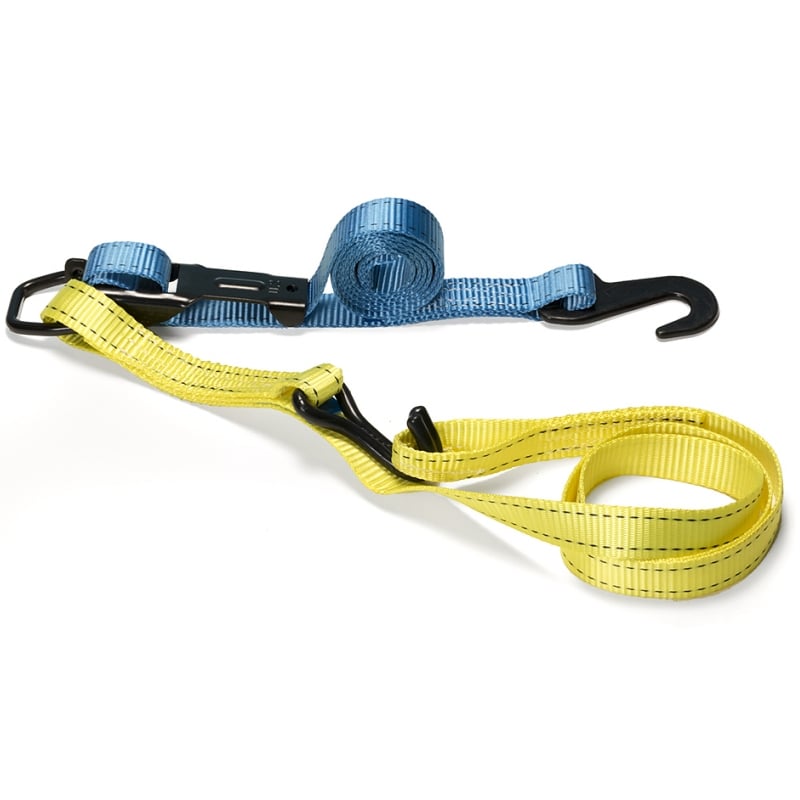
Industri tali Pengikat Muatan merupakan komponen penting dalam operasi logistik, pengangkutan, dan pengurusan kargo di seluruh dunia. Peranti pengikat kritikal ini mengamankan pelbagai barang, daripada bahan binaan hingga komponen automotif, semasa pengangkutan dan penyimpanan. Namun, salah satu ancaman paling besar terhadap jangka hayat dan integriti struktural tali pengikat ialah pendedahan berpanjangan kepada sinaran ultraungu. Memahami cara sinar UV mengurangkan kekuatan tali pengikat dan menjejaskan keselamatannya adalah penting bagi mana-mana perniagaan yang bergantung pada keselamatan dan pematuhan keselamatan kargo.
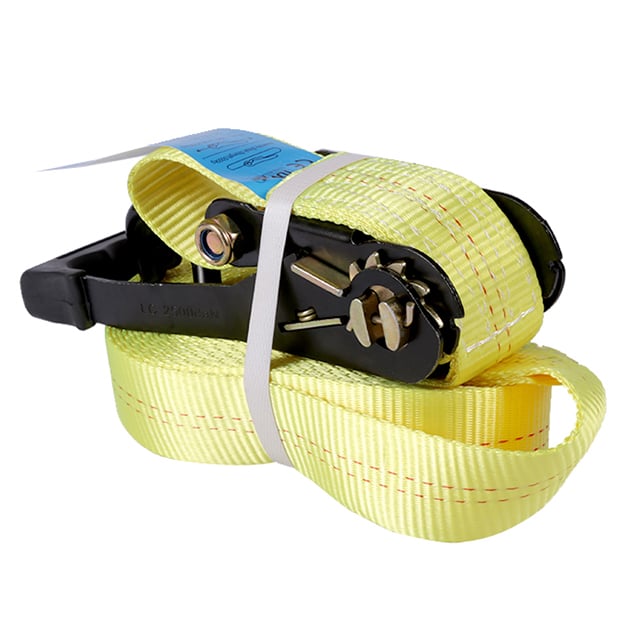
Proses pereputan yang mempengaruhi tali pengikat apabila terdedah kepada cahaya matahari melibatkan tindak balas kimia kompleks dalam bahan tali tersebut. Kebanyakan tali pengikat industri diperbuat daripada polimer sintetik seperti polipropilena atau poliester, yang secara semula jadi rentan terhadap sinaran UV. Apabila sinar UV menembusi struktur bahan, ia memutus ikatan molekul dan mencetuskan tindak balas pengoksidaan yang secara beransur-ansur melemahkan tali tersebut. Artikel ini menerangkan mekanisme di sebalik pereputan UV, tanda amaran yang kelihatan, serta strategi praktikal untuk mengekalkan kekuatan dan kebolehpercayaan tali pengikat anda sepanjang jangka hayat operasinya.
Memahami Kesan Sinaran UV terhadap Tali Pengikat
Bagaimana Sinar Ultraviolet Merosakkan Bahan Polimer
Sinaran ultraungu terdiri daripada foton berenergi tinggi yang menembusi bahan sintetik dan mengganggu struktur molekulnya. Apabila cahaya UV sampai ke rantai polimer dalam tali pengikat, ia menyebabkan fotodegradasi—suatu proses di mana ikatan kimia terurai lebih cepat daripada keadaan biasa. Tindak balas foto-kimia ini melemahkan keseluruhan matriks anyaman, sehingga mengurangkan kapasiti daya tahan tali pengikat secara ketara. Tahap kerosakan bergantung kepada keamatan pendedahan UV, tempoh sentuhan dengan cahaya matahari, dan komposisi bahan spesifik tali pengikat tersebut.
Polipropilena, yang biasa digunakan dalam banyak tali ikat industri, sangat mudah terjejas oleh sinaran UV kerana ia tidak mempunyai sebatian penyerap UV semula jadi. Tali ikat berbahan poliester menawarkan rintangan UV yang sedikit lebih baik, tetapi ia juga mengalami kehilangan kekuatan yang boleh diukur selepas pendedahan luaran yang panjang. Kehancuran tali ikat biasanya berlaku lebih cepat di lokasi geografi yang lebih hampir dengan khatulistiwa, pada altitud yang lebih tinggi, dan semasa tempoh musiman dengan sinaran solar yang sangat kuat. Operator industri mesti mengambil kira pemboleh ubah geografi dan musiman ini apabila merancang jadual penyelenggaraan untuk tali ikat mereka.
Tanda-tanda kelihatan kerosakan UV pada tali ikat
Petunjuk pertama yang boleh dilihat bagi kerosakan UV pada tali pengikat termasuk perubahan warna dan pudar. Tali yang pada asalnya berwarna terang secara beransur-ansur menjadi pucat, berkapur, atau kelam apabila pendedahan kepada UV merosakkan bahan pewarna dan pigmen. Selain perubahan estetik, tali pengikat yang mengalami kerosakan UV sering menunjukkan kehancuran permukaan dan kekembungan, di mana anyaman menjadi rapuh dan mudah retak atau terbelah. Kerosakan lanjut memanifestasikan sebagai kehilangan kekuatan tegangan, penurunan keanjalan, dan kehilangan integriti cangkuk atau titik lekapan pada tali pengikat.
Pengendali harus menjalankan pemeriksaan visual berkala ke atas tali ikat mereka untuk mengenal pasti tanda-tanda awal sebelum kegagalan teruk berlaku. Mengusap tali ikat dengan tangan membolehkan anda mengesan tekstur kasar atau berkapur yang menunjukkan kerosakan UV yang ketara. Apabila tali ikat kehilangan kelenturan dan menjadi kaku atau rapuh, ia sudah mengalami kecacatan struktur yang ketara. Menguji kekuatan tali ikat yang dipersoalkan melalui ujian beban terkawal membantu menentukan sama ada penggantian diperlukan sebelum kegagalan peralatan membahayakan kakitangan atau kargo.
Mekanisme di Sebalik Kehilangan Kekuatan pada Tali Ikat Industri
Proses Penguraian Kimia yang Mengurangkan Kapasiti Tali Ikat
Kerosakan pada tahap molekul yang berlaku pada tali pengikat apabila terdedah kepada sinar UV melibatkan beberapa proses kimia yang saling berkaitan. Pembentukan radikal bebas memulakan pemecahan rantaian—iaitu perputusan rantaian polimer panjang yang memberikan kekuatan struktur kepada tali pengikat. Tindak balas pengoksidaan menghasilkan kumpulan karbonil dan peroksida di dalam bahan tersebut, yang seterusnya melemahkan rangkaian polimer. Transformasi kimia ini secara beransur-ansur mengurangkan kekuatan tegangan maksimum dan had beban kerja tali pengikat yang terjejas, kadangkala sehingga 50 peratus atau lebih bergantung kepada tempoh pendedahan.
Kadar penguraian kimia pada tali pengikat meningkat apabila faktor tekanan persekitaran lain bergabung dengan pendedahan sinar UV. Penyerapan lembapan dalam keadaan luaran boleh memudahkan tindak balas hidrolisis pada tali pengikat berbahan poliester, yang menambah lagi kerosakan akibat UV. Perubahan suhu menyebabkan kitaran terma, di mana pengembangan dan pengecutan berulang memberi tekanan kepada rantai polimer tali pengikat yang sudah lemah. Alam sekitar industri yang mengandungi ozon, gas industri, atau semburan garam mempercepatkan lagi penguraian tali pengikat melebihi kesan pendedahan UV sahaja. Memahami kesan sinergistik ini adalah penting untuk meramalkan jangka hayat perkhidmatan tali pengikat dalam konteks operasi tertentu.
Jadual Pengurangan Kapasiti Beban bagi Tali Pengikat yang Terdedah kepada Sinar UV
Jadual masa kehilangan kekuatan yang ketara pada tali pengikat bergantung kepada keamatan pendedahan dan jenis bahan. Dalam keadaan luaran biasa dengan 8–12 jam sinaran matahari langsung setiap hari, tali pengikat polipropilena tanpa perlindungan mungkin kehilangan 10–20 peratus daripada kapasiti kerja asalnya dalam tempoh 6–12 bulan. Selepas 24 bulan pendedahan luaran berterusan, tali pengikat yang sama mungkin hanya mengekalkan 60–70 peratus daripada kadar kekuatan asalnya. Operasi industri yang bergantung pada tali pengikat yang telah terjejas ini menghadapi risiko meningkat terhadap gelinciran beban, kerosakan kargo, dan insiden keselamatan berpotensi akibat kegagalan peralatan.
Tali pengikat berbahan poliester menunjukkan lengkung penyusutan yang lebih perlahan tetapi masih mengalami kehilangan kekuatan yang ketara dari masa ke masa. Dalam aplikasi industri yang mencabar di mana tali pengikat mesti mengekalkan kadar beban yang tepat, ujian kekuatan setiap suku tahun atau separuh tahun menjadi perlu untuk mengesahkan pematuhan berterusan terhadap piawaian keselamatan. Impak kewangan menggantikan tali pengikat sebelum gagal secara teruk jauh lebih rendah berbanding kos yang berkaitan dengan kehilangan muatan, liabiliti kemalangan, atau kelumpuhan operasi. Penilaian proaktif terhadap tali pengikat penyusutan melindungi nilai aset dan keselamatan personel dalam operasi pengangkutan dan logistik.
Strategi Perlindungan untuk Menjaga Integriti Tali Pengikat
Tali Pengikat Tahan UV dan Penyelesaian Bahan
Tali ikat industri moden kini mengandungi bahan tambah penstabil UV dan formulasi bahan khas yang direka untuk menahan pemecahan akibat cahaya. Tali ikat premium termasuk pigmen arang hitam, sebatian fenolik, dan penyerap UV lain yang membuang tenaga radiasi berbahaya sebelum ia merosakkan matriks polimer. Tali ikat bertambah ini mengekalkan kapasiti kerja yang jauh lebih tinggi selepas pendedahan luaran yang panjang berbanding varian biasa tanpa perlindungan. Memilih tali ikat tahan-UV yang direka khusus untuk aplikasi luaran merupakan pendekatan paling langsung untuk mengelakkan kehilangan kekuatan akibat sinaran matahari.
Apabila membeli tali pengikat industri, menentukan bahan yang dilesenkan untuk pendedahan UV jangka panjang memastikan pematuhan terhadap jadual projek dan keperluan keselamatan. Pengilang yang menghasilkan tali pengikat berkualiti tinggi biasanya menyediakan dokumentasi ujian rintangan UV dan piawaian penyusutan jangka panjang. Melabur dalam tali pengikat berkualiti lebih tinggi dengan kemampuan perlindungan UV yang didokumentasikan mengurangkan kekerapan kitaran penggantian dan meminimumkan gangguan operasi. Bagi aplikasi kritikal di mana tali pengikat mesti mengekalkan kadar beban tepat sepanjang tempoh yang panjang, formula yang distabilkan UV adalah wajib dari segi kejuruteraan dan ekonomi.
Penyimpanan, Penyelenggaraan, dan Amalan Terbaik Operasi
Melampaui pemilihan bahan, melindungi tali pengikat daripada pendedahan sinar UV yang tidak perlu melalui amalan penyimpanan dan pengendalian yang betul secara ketara memperpanjang jangka hayat penggunaannya. Menyimpan tali pengikat di dalam bangunan atau di bawah penutup pelindung antara penggunaan melindunginya daripada kerosakan akibat radiasi matahari secara berterusan. Apabila tali pengikat perlu disimpan di persekitaran luar, penggunaan plastik penutup (tarps), struktur teduh, atau bekas penyimpanan tahan cuaca mengurangkan pendedahan terhadap sinar UV. Memutar tali pengikat semasa penyimpanan supaya unit-unit berbeza mengalami pendedahan sinar UV secara lebih sekata mengelakkan sebilangan kecil tali pengikat daripada menjadi rosak lebih awal.
Pemeriksaan penyelenggaraan berkala terhadap tali pengikat yang sedang digunakan membolehkan operator mengenal pasti kerosakan awal dan menjadualkan penggantian sebelum kegagalan berlaku. Membersihkan tali pengikat secara berkala menghilangkan habuk dan bahan pencemar yang terkumpul, yang boleh menyerap lembapan dan mempercepatkan degradasi kimia. Menggunakan lapisan pelindung atau penyelesaian pantul-UV pada tali pengikat sedia ada memberikan lapisan perlindungan sekunder yang berkesan dari segi kos. Sistem dokumentasi yang merekod usia, sejarah pendedahan, dan dapatan pemeriksaan bagi setiap tali pengikat membolehkan keputusan penggantian berdasarkan data. Menggabungkan tali pengikat berkualiti tinggi yang tahan-UV dengan protokol penyelenggaraan yang ketat mencipta strategi menyeluruh untuk mengekalkan keselamatan muatan dan kebolehpercayaan operasi.
Soalan Lazim
Berapa cepat tali pengikat piawai kehilangan kekuatannya apabila terdedah kepada cahaya matahari?
Tali pengikat standard yang tidak dilindungi biasanya kehilangan 10–20 peratus daripada kapasiti kerja mereka dalam tempoh 6–12 bulan pendedahan luaran secara berkala. Kadar kemerosotan ini meningkat dengan garis lintang geografi, altitud, dan keamatan musiman sinaran suria. Dalam persekitaran tropika ekstrem atau kawasan beraltitud tinggi, tali pengikat boleh terdegradasi jauh lebih cepat berbanding lokasi sederhana. Penyimpanan luaran berterusan tanpa penutup pelindung merupakan senario kemerosotan paling teruk bagi tali pengikat industri.
Apakah komposisi bahan tali pengikat yang memberikan rintangan UV terbaik?
Tali pengikat poliester dengan bahan tambahan pelindung UV terpadu memberikan rintangan yang lebih unggul berbanding alternatif polipropilena biasa. Tali pengikat premium yang diperbuat daripada pigmen arang hitam, sebatian fenolik dan pelindung fotostabil lain mengekalkan 80–90 peratus kekuatan asalnya walaupun selepas 24 bulan pendedahan luaran. Tali pengikat khas yang direka khusus untuk aplikasi luaran sering mempunyai anyaman diperkukuh dan lapisan pantul UV yang seterusnya memperpanjang jangka hayat penggunaan. Merujuk spesifikasi pengilang mengenai keputusan ujian degradasi UV membantu mengenal pasti tali pengikat yang sesuai dengan keadaan persekitaran tertentu anda.
Bolehkah tali pengikat sedia ada dirawat untuk mencegah degradasi UV?
Walaupun tiada rawatan yang sepenuhnya memulihkan tali pengikat yang telah rosak akibat pendedahan kepada sinar UV, lapisan pelindung boleh melambatkan kerosakan masa depan pada stok yang masih ada. Lapisan pemantul UV dan pengedap kalis air yang diaplikasikan pada tali pengikat sedia ada memberikan halangan sekunder terhadap sinaran solar dan kelembapan. Keberkesanan rawatan lepas pasaran pada tali pengikat berbeza-beza secara ketara dan secara umumnya tidak mampu menandingi perlindungan yang diberikan oleh tali pengikat tahan UV yang dihasilkan dengan betul. Bagi aplikasi kritikal, menggantikan tali pengikat yang telah terjejas dengan alternatif stabil UV yang dihasilkan di kilang tetap merupakan strategi perlindungan yang paling boleh dipercayai.