rakományszíjak
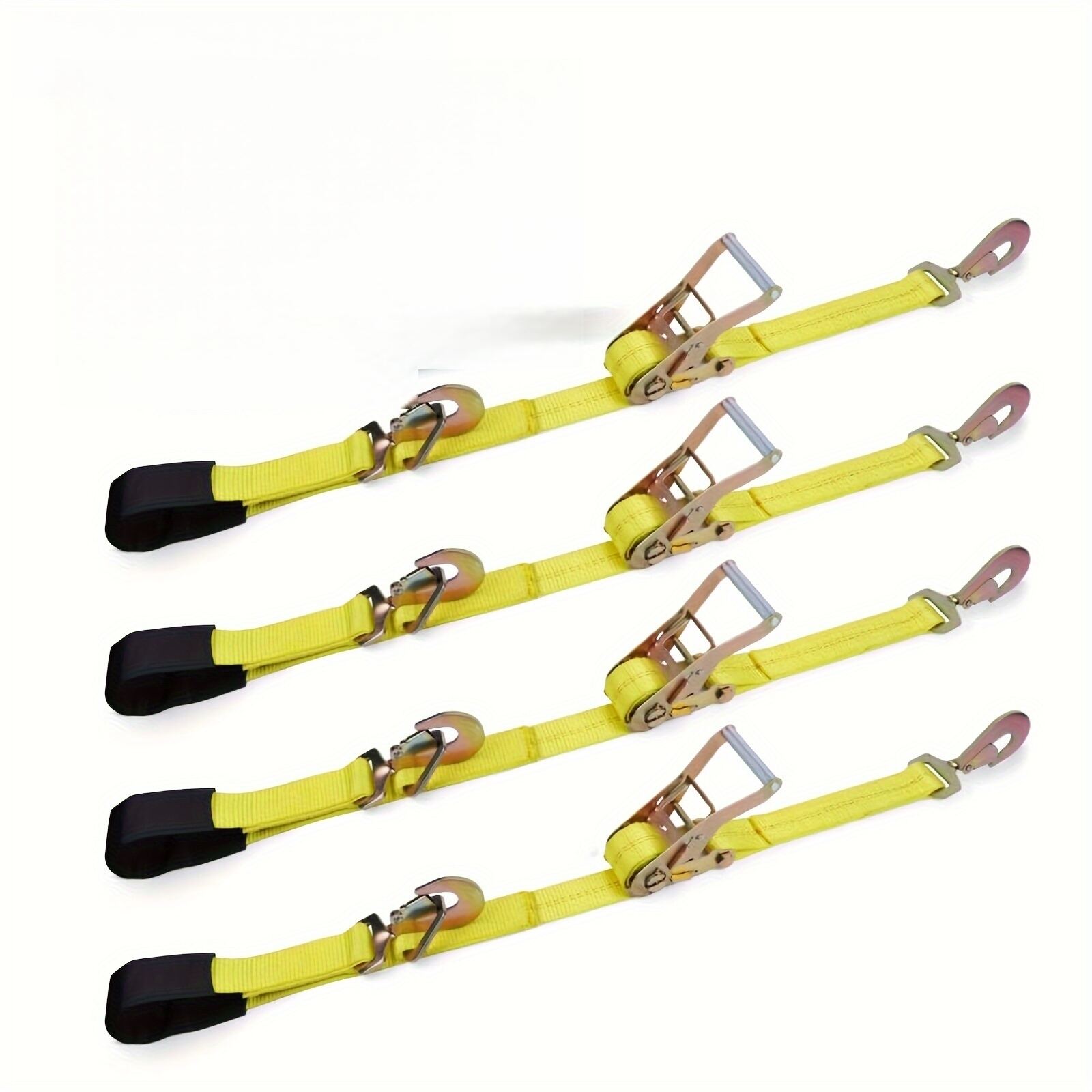
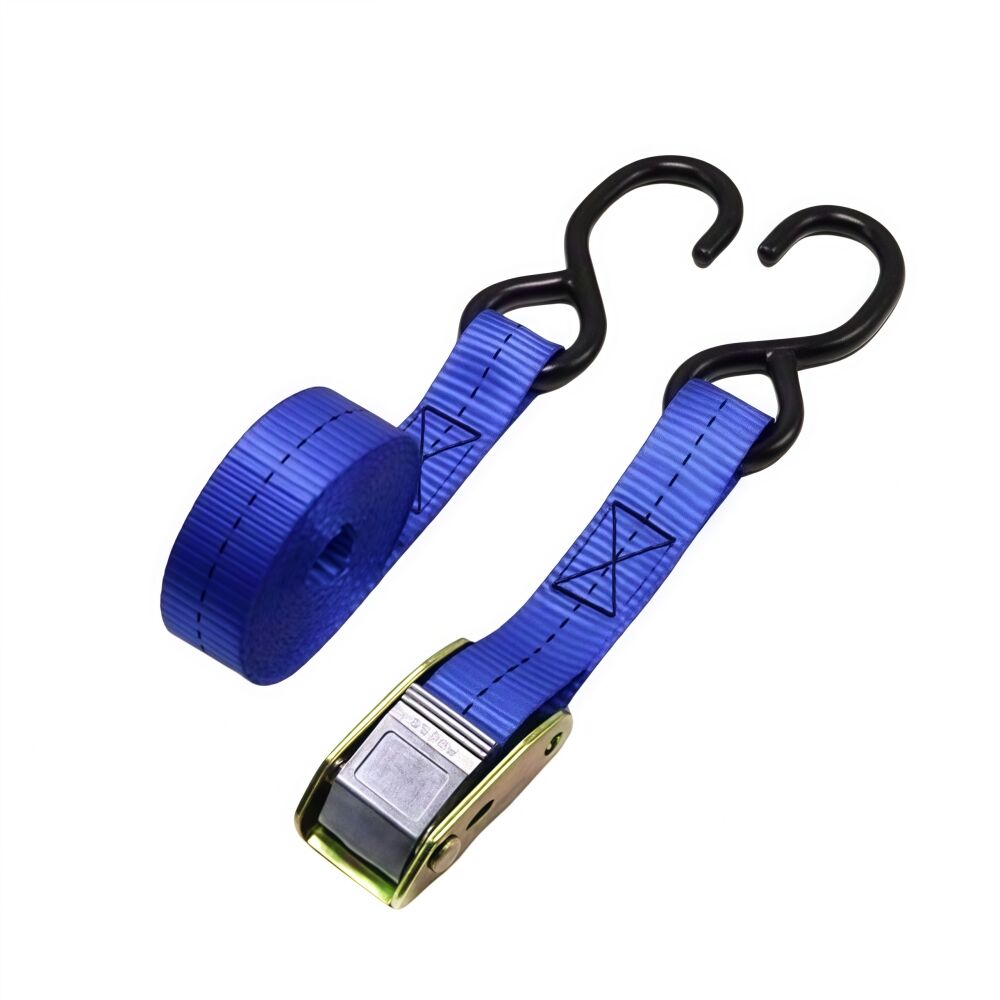
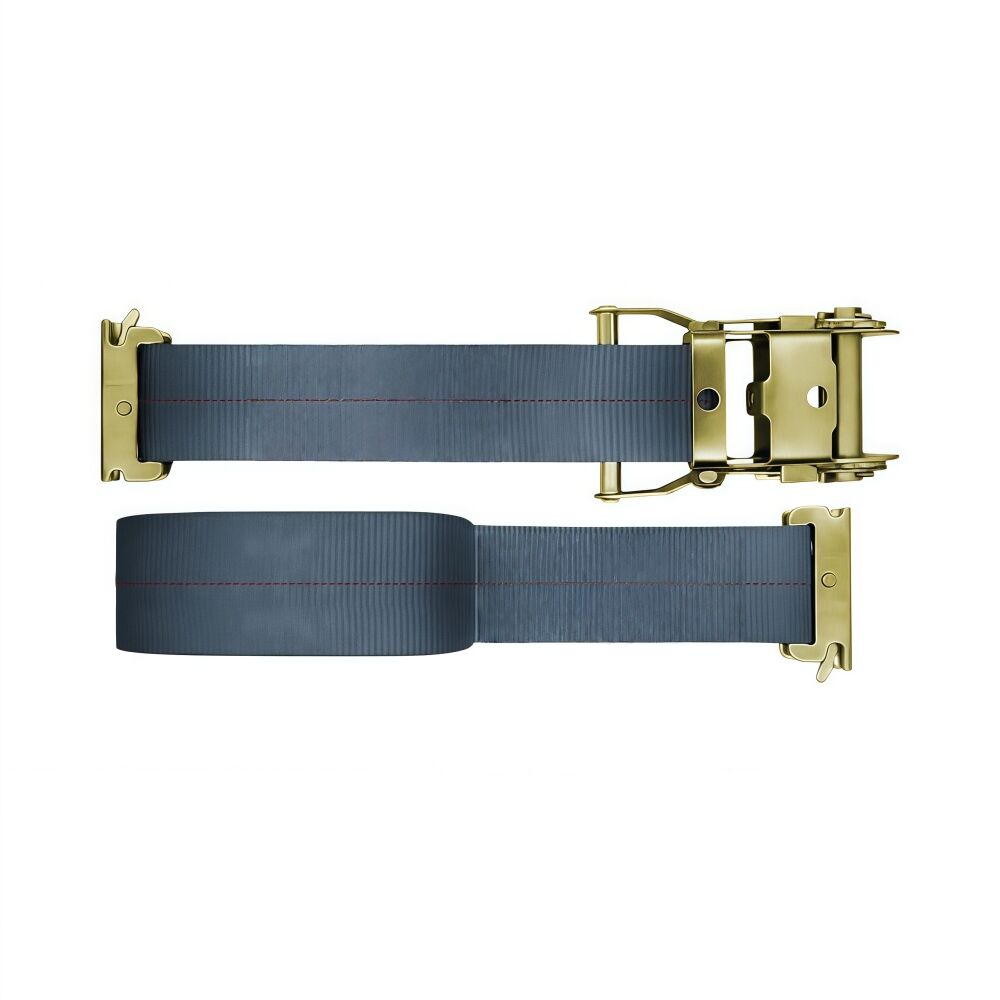
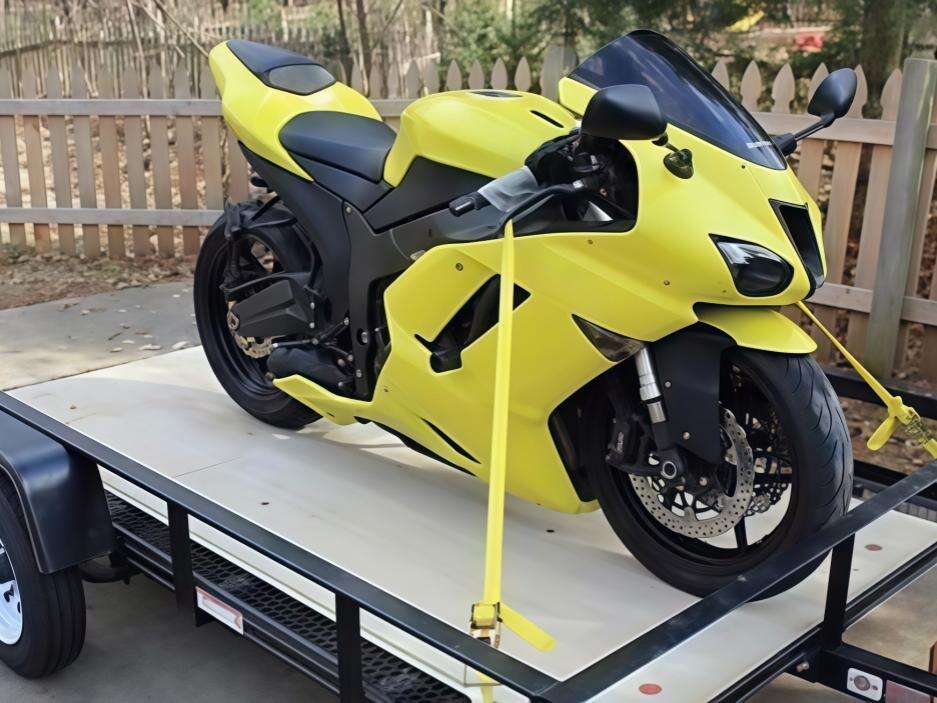
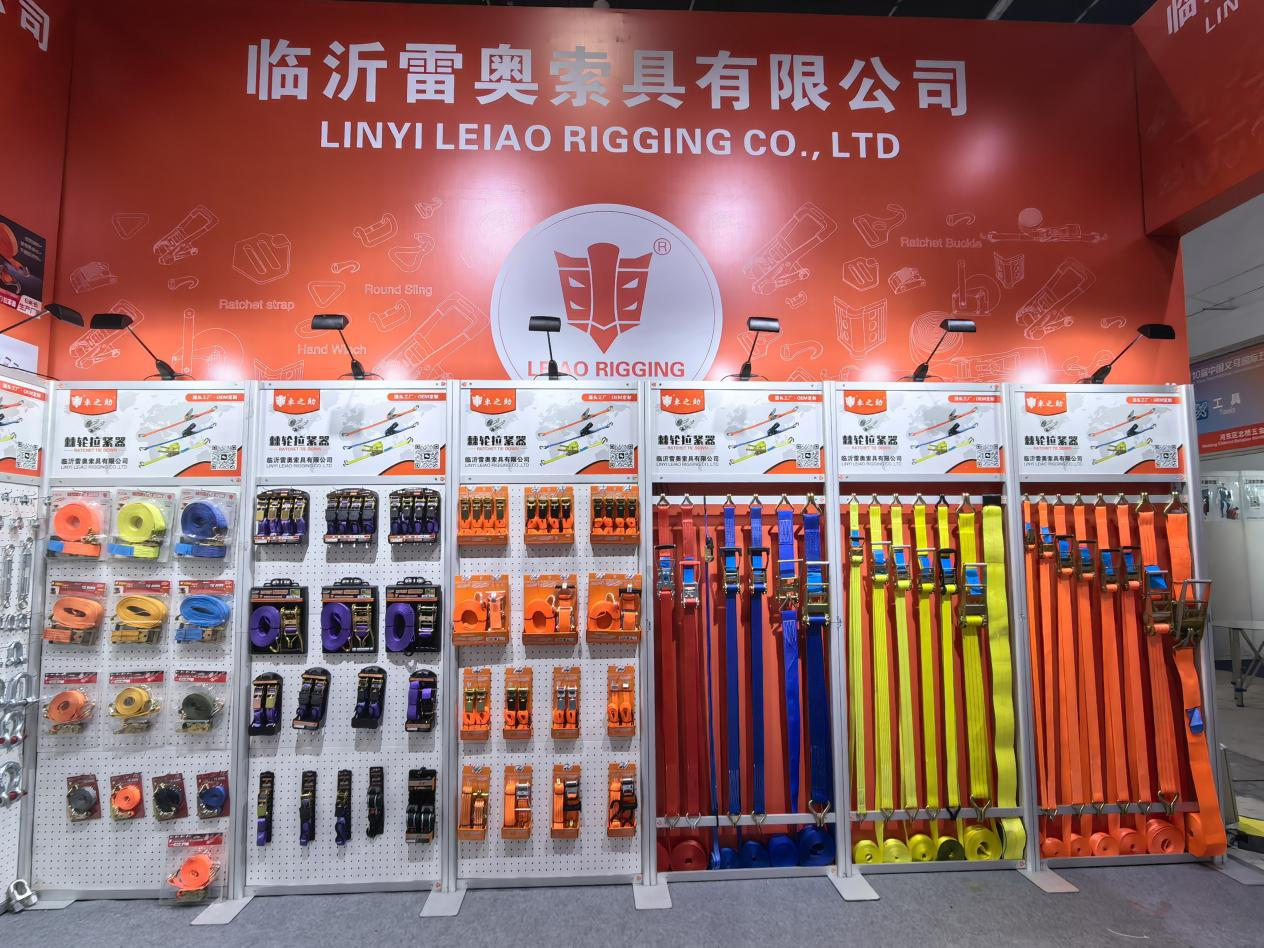
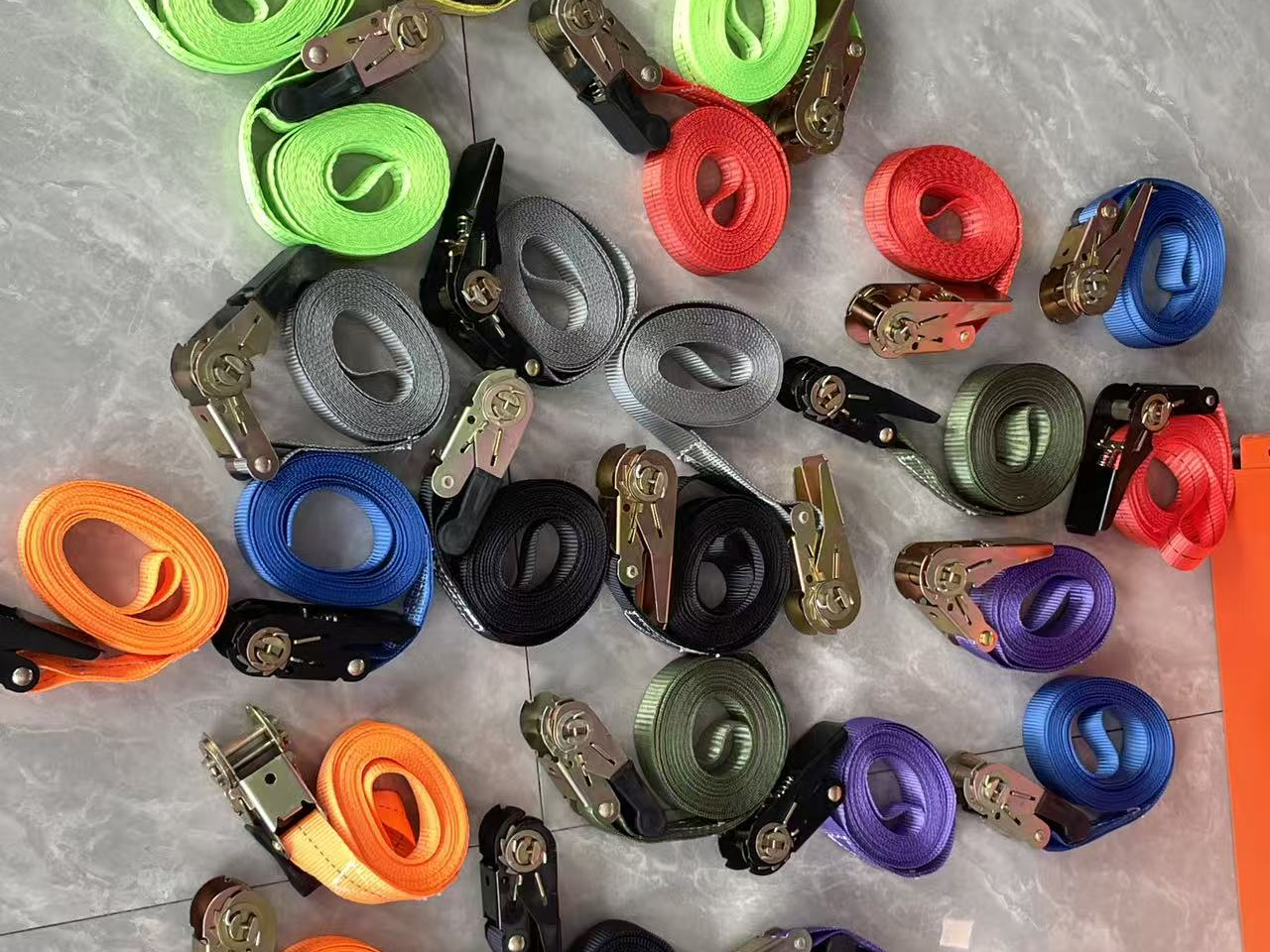
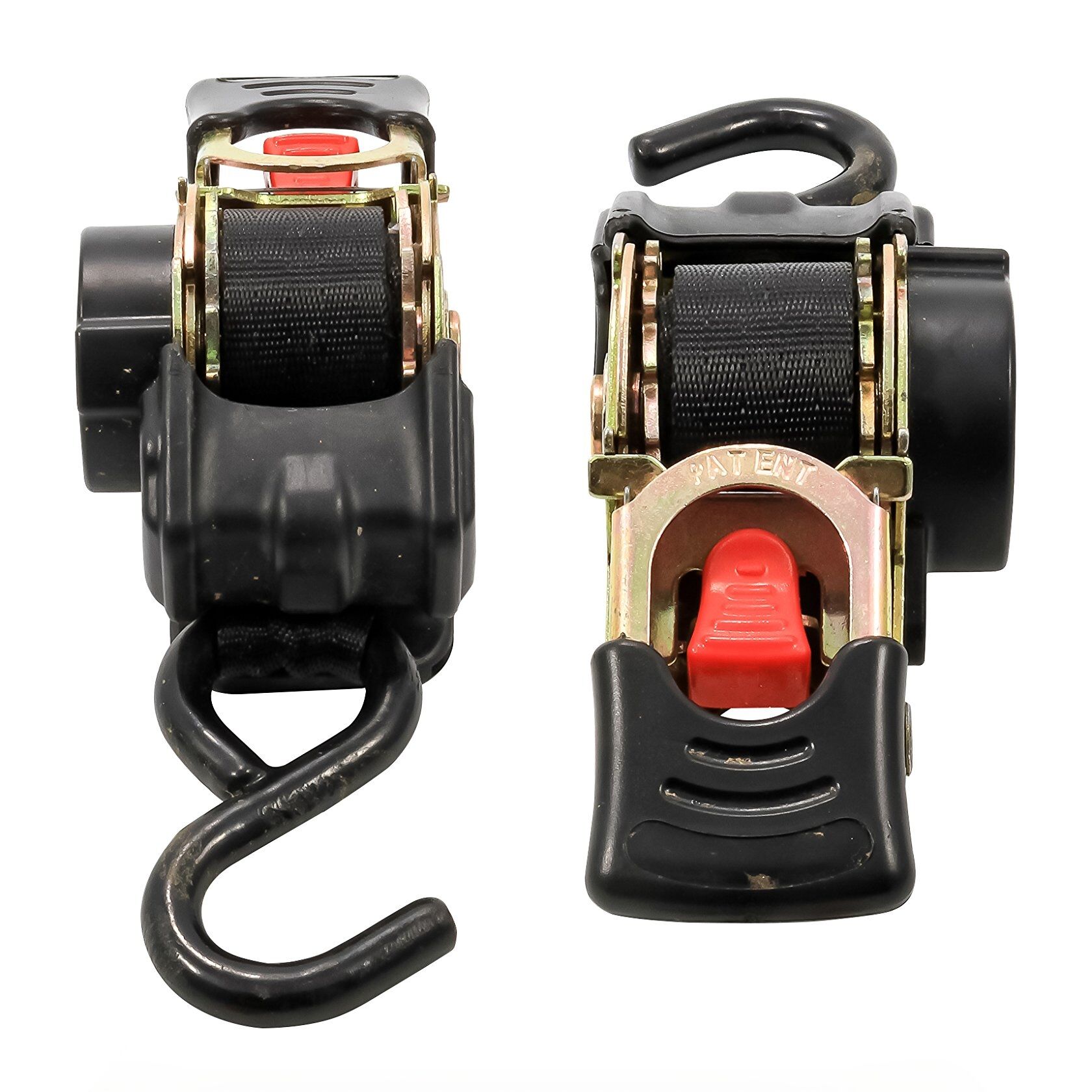
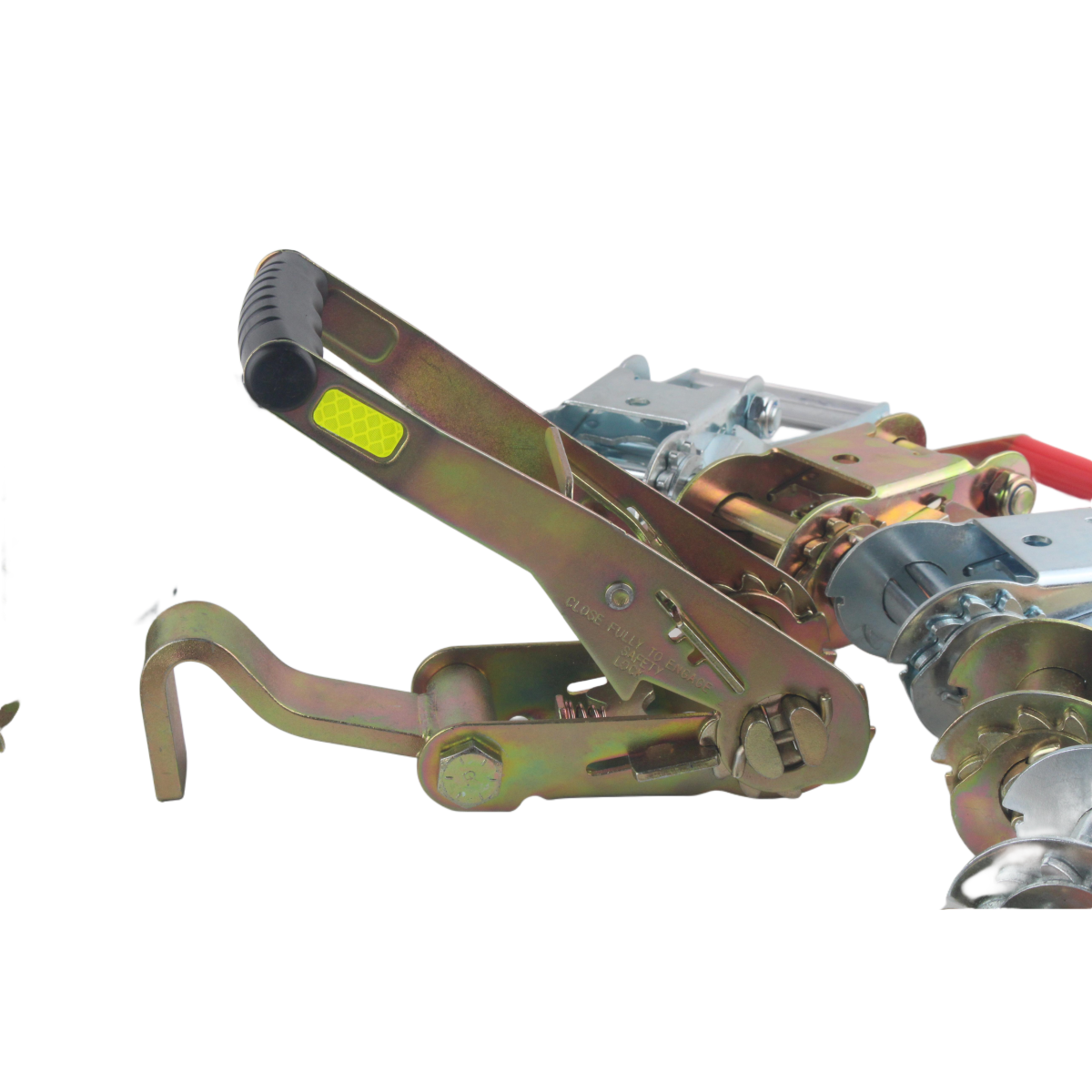
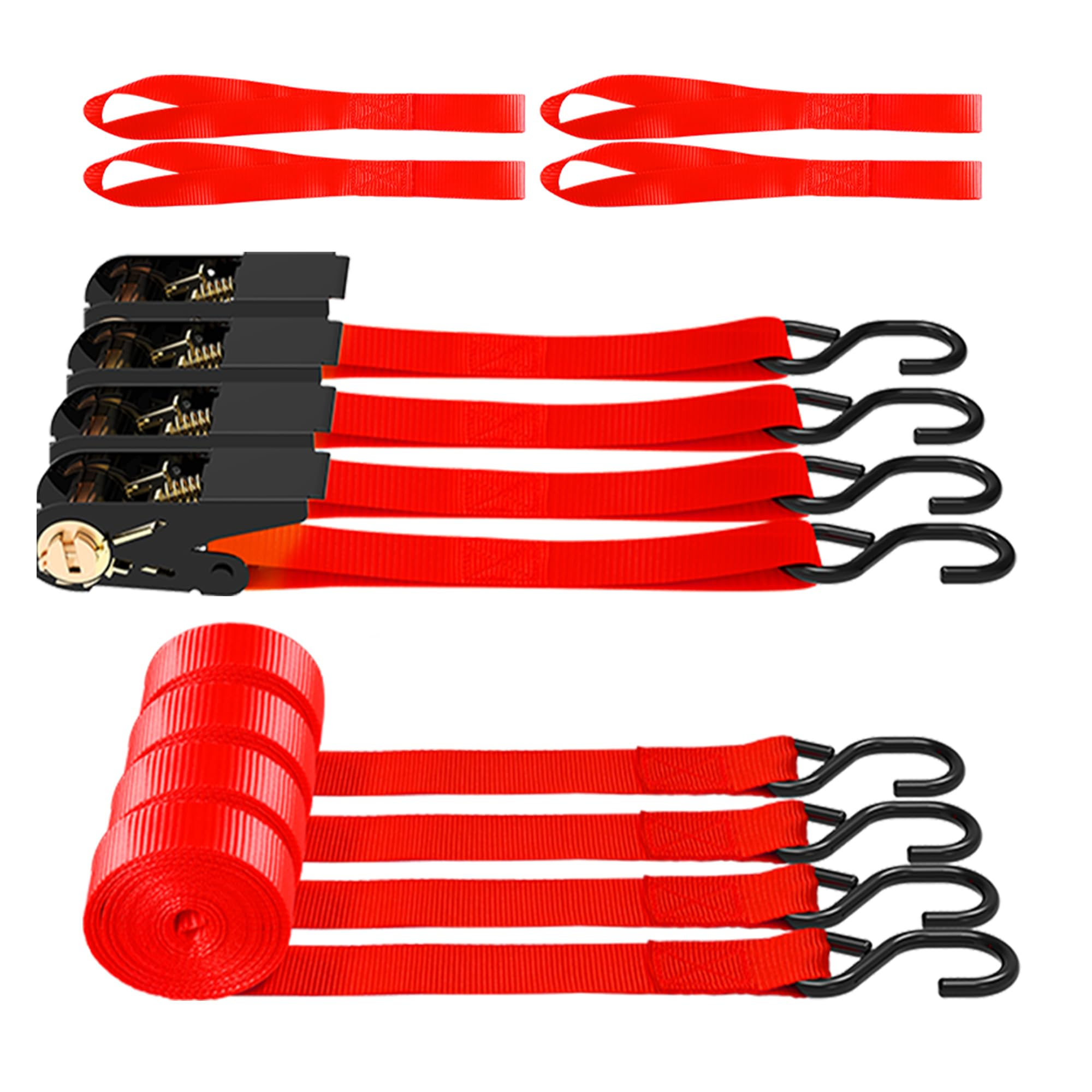
A rakományrögzítő szíjak elengedhetetlen rögzítőeszközök, amelyeket a szállítás és tárolás során a rakomány biztonságos rögzítésére és stabilizálására terveztek. Ezek a sokoldalú eszközök tartós szalaganyagból készülnek, megbízható rögzítőmechanizmusokkal – például fogaskerekes vagy csapágyas csatokkal, illetve horpadókkel – kombinálva, amelyek feszültséget hoznak létre a rakomány szilárd helyzetben tartásához. A rakományrögzítő szíjak elsődleges funkciója a rakomány elmozdulásának, károsodásának és baleseteknek a megelőzése a szállítás során különféle járműveken – például teherautókon, pótkocsikban, laposplatós járműveken és szállítmányozási konténerekben. A modern rakományrögzítő szíjak technológiai jellemzői közé tartozik a nagy szakítószilárdságú poliészter szalaganyag, amely ellenáll a kopásnak, az UV-bontódásnak és az időjárási hatásoknak, miközben rugalmasságát megtartja. A fejlett fogaskerekes mechanizmusok pontos feszültség-szabályozást biztosítanak, így a felhasználók optimális rögzítőerőt érhetnek el túlfeszítés nélkül. Számos rakományrögzítő szíj biztonsági funkciókat is tartalmaz, például színkódolt címkéket a terhelhetőség jelzésére, megerősített varratokat a terhelési pontokon, valamint védő peremvédőket a szalaganyag károsodásának megelőzésére. A szakítószilárdsági értékek általában 500–10 000 font között mozognak a szíj szélességétől és szerkezetétől függően. A rakományrögzítő szíjak alkalmazási területe számos iparágat ölel fel, köztük a logisztikát, az építőipart, a költöztetési szolgáltatásokat, a mezőgazdaságot és a szabadidős tevékenységeket. A szakmai szállítók rakományrögzítő szíjakat használnak építőanyagok, gépek és áruhajók biztonságos rögzítésére, miközben megfelelnek a Közlekedési Minisztérium előírásainak. A szabadidős felhasználók motorkerékpárok, terepjárók (ATV-k), kajakok és kempingfelszerelés szállítására használják a rakományrögzítő szíjakat. A rakományrögzítő szíjak alkalmazhatósága miatt elengedhetetlenek mind a kereskedelmi műveletek, mind a személyes használat számára, költséghatékony megoldást nyújtva a rakománykezelésre, amely egy gyakorlatias eszközben ötvözi az erőt, a tartósságot és a könnyű kezelhetőséget.

 EN
EN