कार्गो बेल्ट
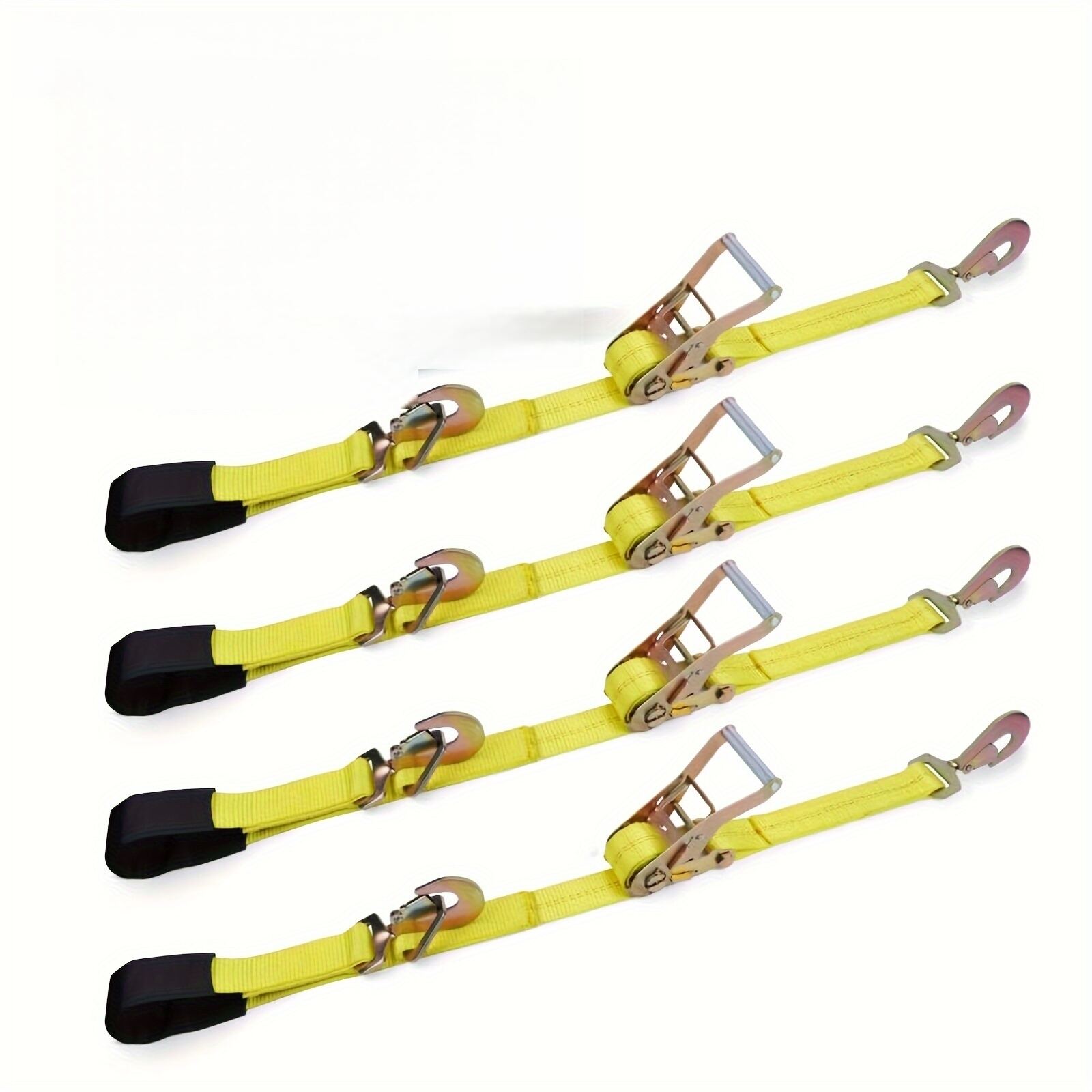
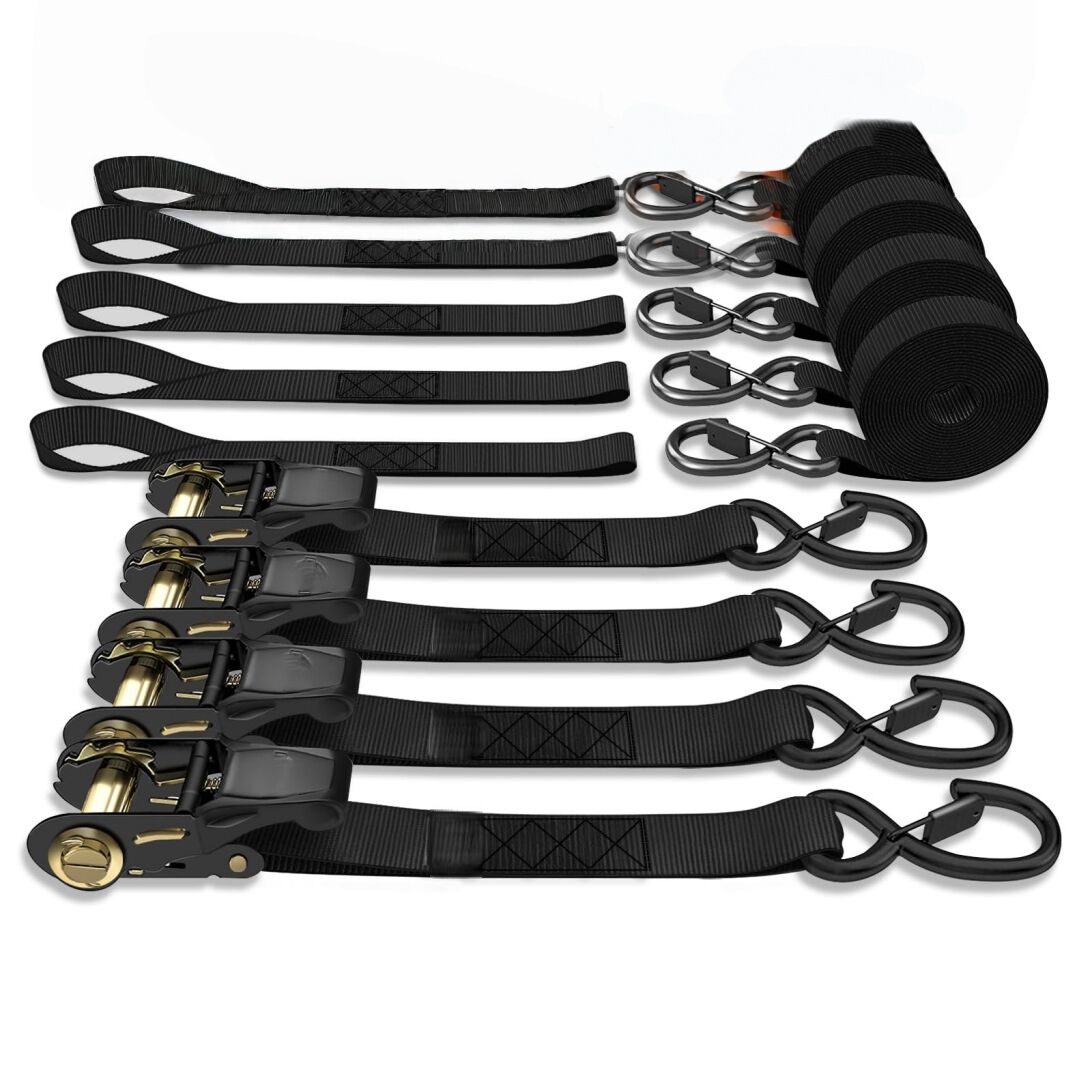
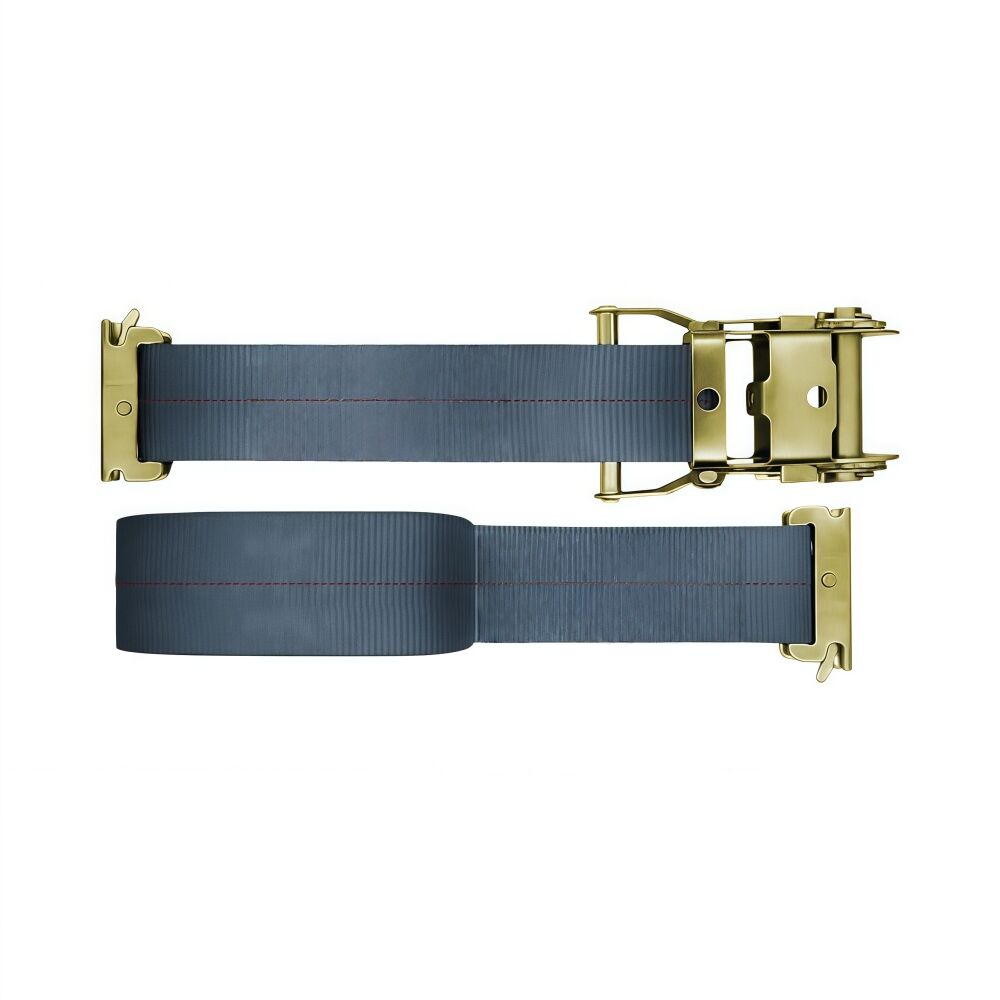
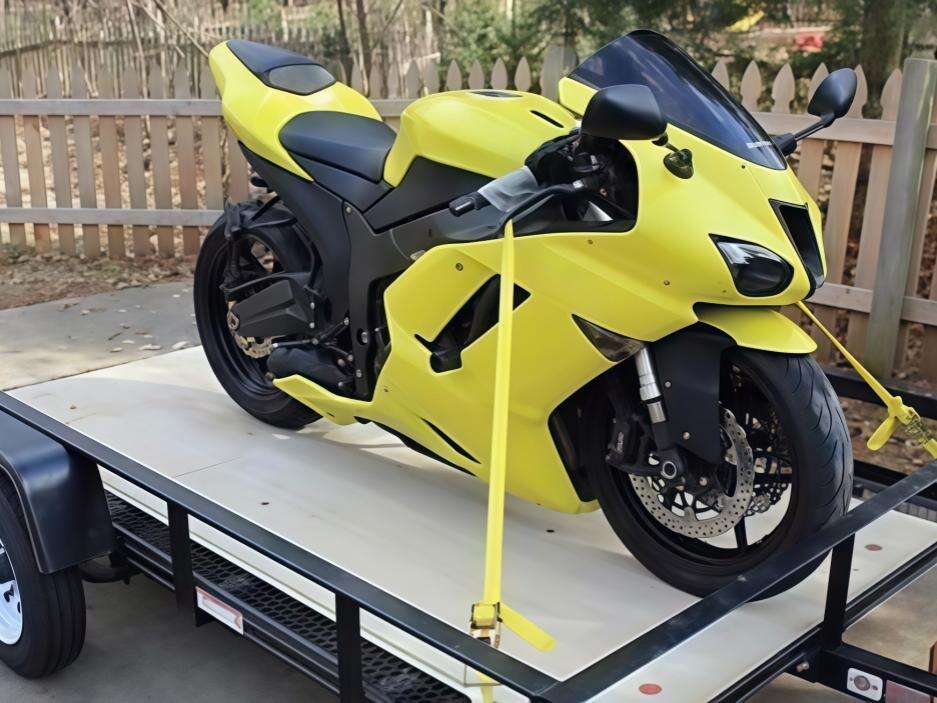
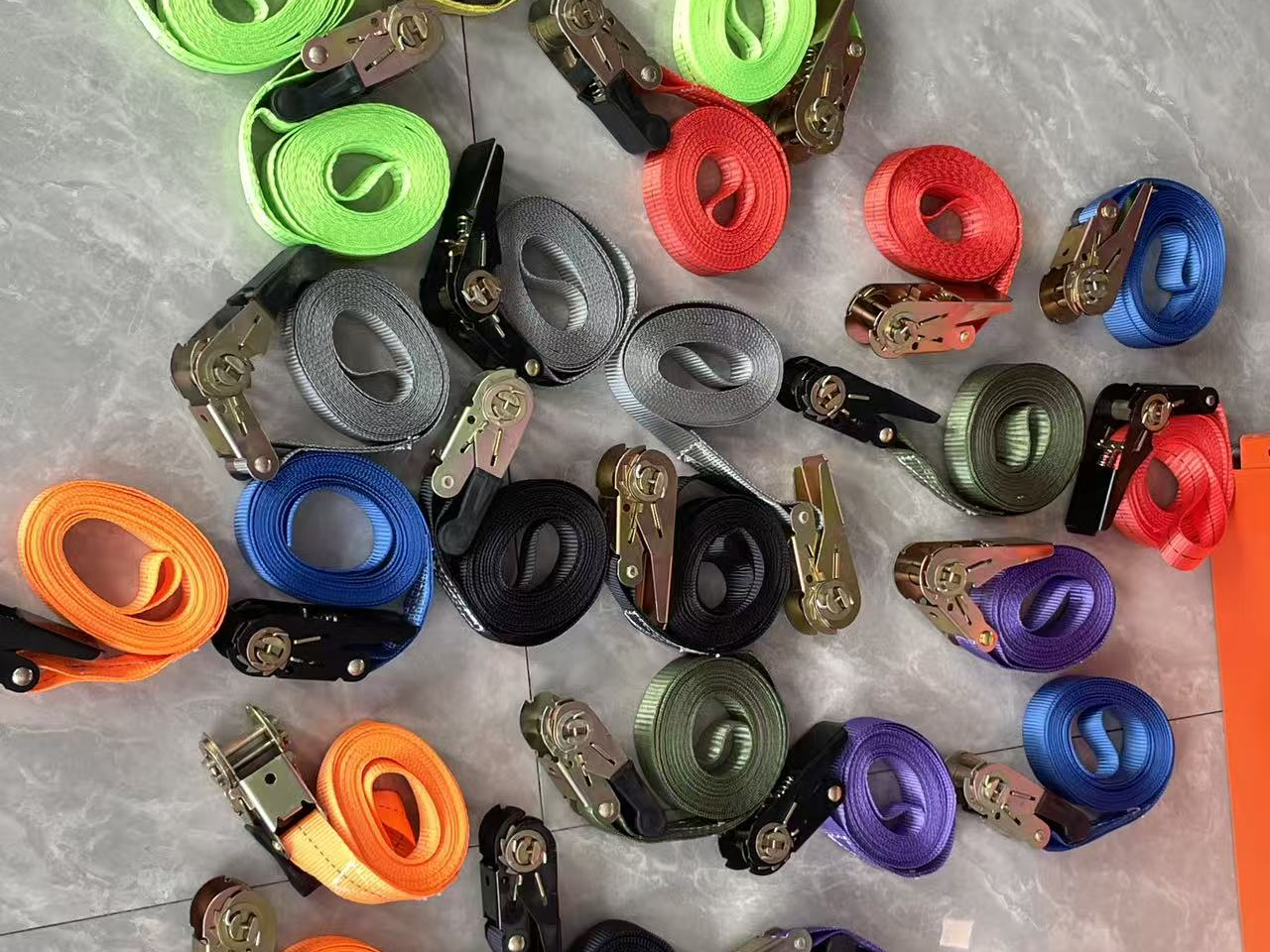
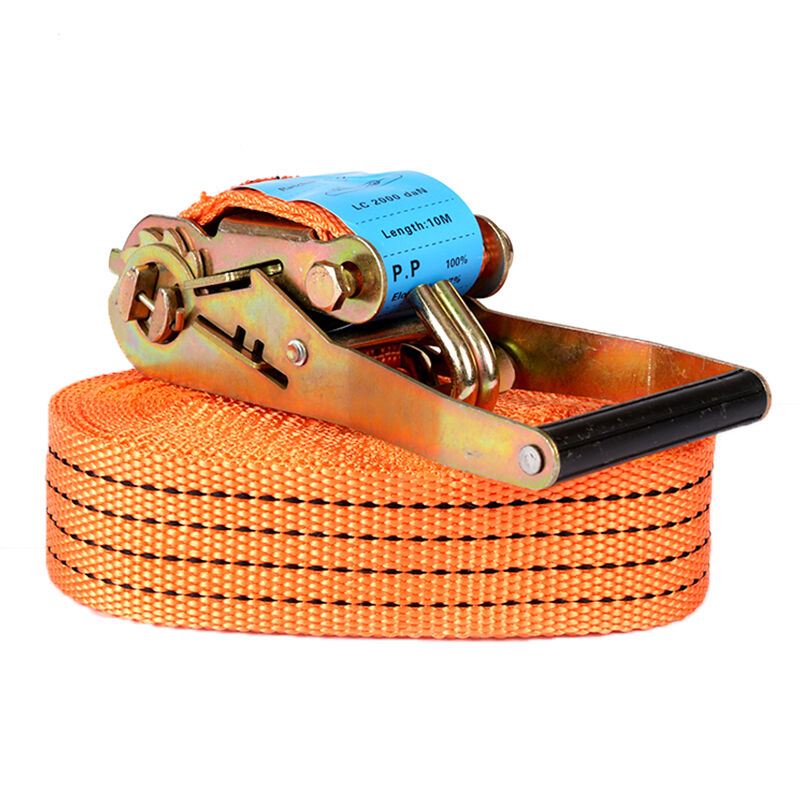
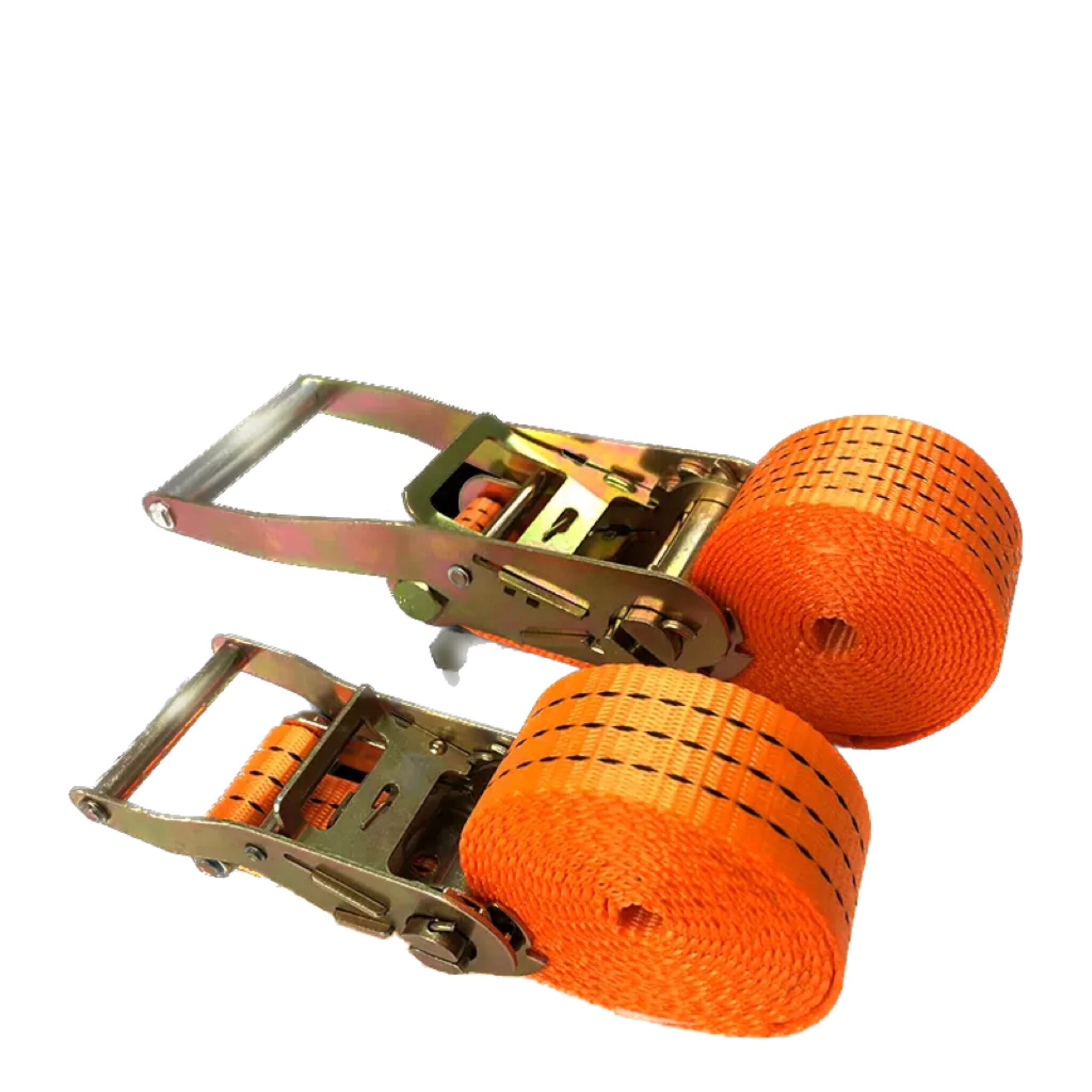
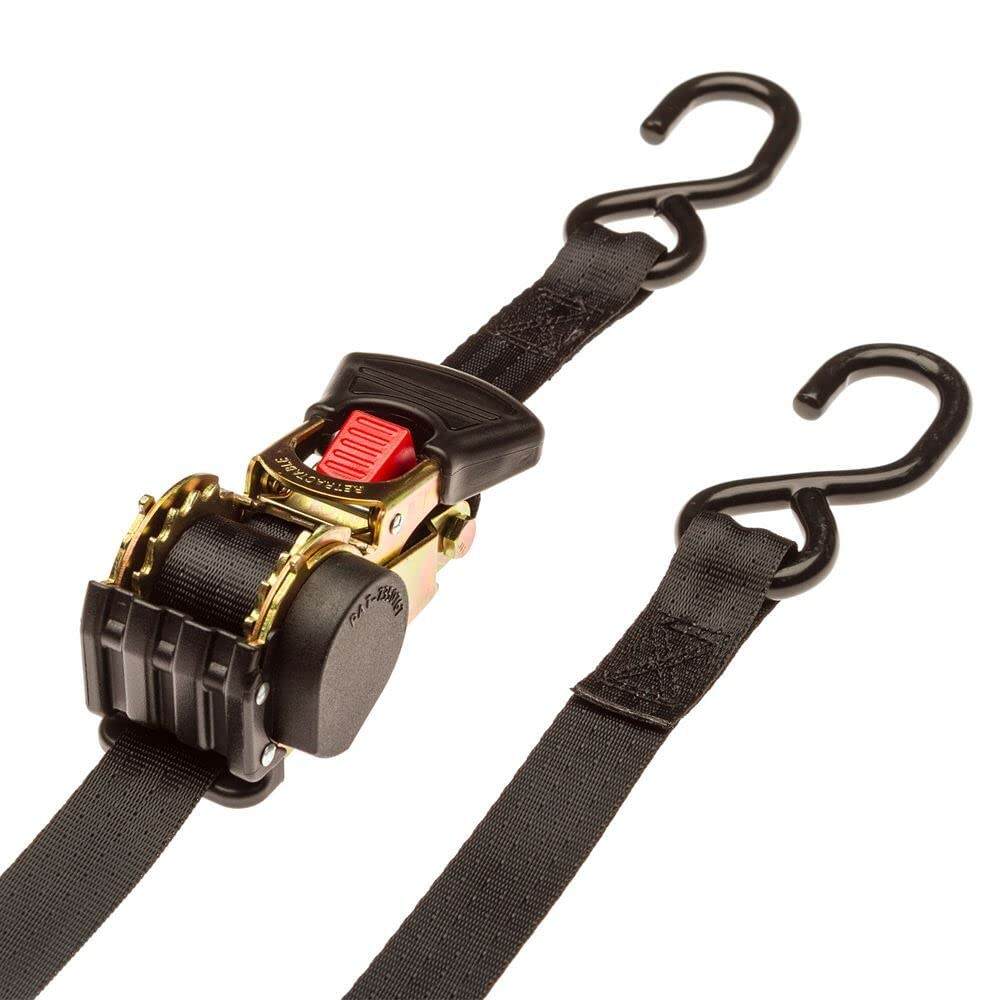
कार्गो बेल्ट एक आवश्यक सुरक्षा प्रणाली है, जिसे माल के सुरक्षित परिवहन और स्थिरीकरण के लिए शिपिंग, ढुलाई और भंडारण के दौरान डिज़ाइन किया गया है। यह बहुमुखी फास्टनिंग उपकरण टिकाऊ वेबिंग सामग्री से बना होता है, जिसमें आमतौर पर रैचेट या कैम बकल जैसा तनाव नियंत्रण तंत्र शामिल होता है, जो उपयोगकर्ताओं को भार को प्रभावी ढंग से कसने और सुरक्षित करने की अनुमति देता है। कार्गो बेल्ट लॉजिस्टिक्स में एक महत्वपूर्ण सुरक्षा घटक के रूप में कार्य करता है, जो माल के विस्थापन को रोकता है, जिससे माल को क्षति पहुँच सकती है या पारगमन के दौरान खतरनाक स्थितियाँ उत्पन्न हो सकती हैं। आधुनिक कार्गो बेल्ट के डिज़ाइन में उच्च-शक्ति वाले सिंथेटिक फाइबर का उपयोग किया जाता है, जो घर्षण, मौसम संबंधी कारकों और यूवी क्षरण के प्रति प्रतिरोधी होते हैं, जिससे विविध पर्यावरणीय स्थितियों में विश्वसनीय प्रदर्शन सुनिश्चित होता है। इसके प्राथमिक कार्यों में भार को बांधना, भार का वितरण और छोटे पैकेजों से लेकर भारी मशीनरी तक की वस्तुओं के लिए स्थिरता में वृद्धि शामिल है। उन्नत कार्गो बेल्ट प्रणालियों की तकनीकी विशेषताओं में मजबूत किए गए सिलाई पैटर्न, संक्षारण-प्रतिरोधी हार्डवेयर और रंग-कोडित शक्ति रेटिंग्स शामिल हैं, जो उपयोगकर्ताओं को विशिष्ट भार आवश्यकताओं के लिए उपयुक्त उपकरण का चयन करने में सहायता करती हैं। ये बेल्ट परिवहन, भंडारण, निर्माण और मनोरंजन वाहनों के उपयोग सहित कई उद्योगों में अपना उपयोग पाते हैं। पेशेवर मूवर्स फर्नीचर और घरेलू उपकरणों को सुरक्षित करने के लिए कार्गो बेल्ट प्रणालियों पर निर्भर करते हैं, जबकि ट्रक चालक इनका उपयोग परिवहन सुरक्षा विनियमों का पालन करने के लिए करते हैं। कार्गो बेल्ट के डिज़ाइन में उपयोगकर्ता की सुरक्षा को प्राथमिकता दी जाती है, जिसमें टूटने की शक्ति प्रमाणन और कार्य भार सीमाएँ शामिल हैं, जो अधिकतम क्षमता के बारे में स्पष्ट मार्गदर्शन प्रदान करती हैं, जिससे कार्गो हैंडलिंग के दौरान उचित उपयोग सुनिश्चित होता है और दुर्घटना के जोखिम को कम किया जाता है।

 EN
EN