Professional Cargo Securing Solutions

Contact me immediately if you encounter problems!

All Categories

professional cargo securing

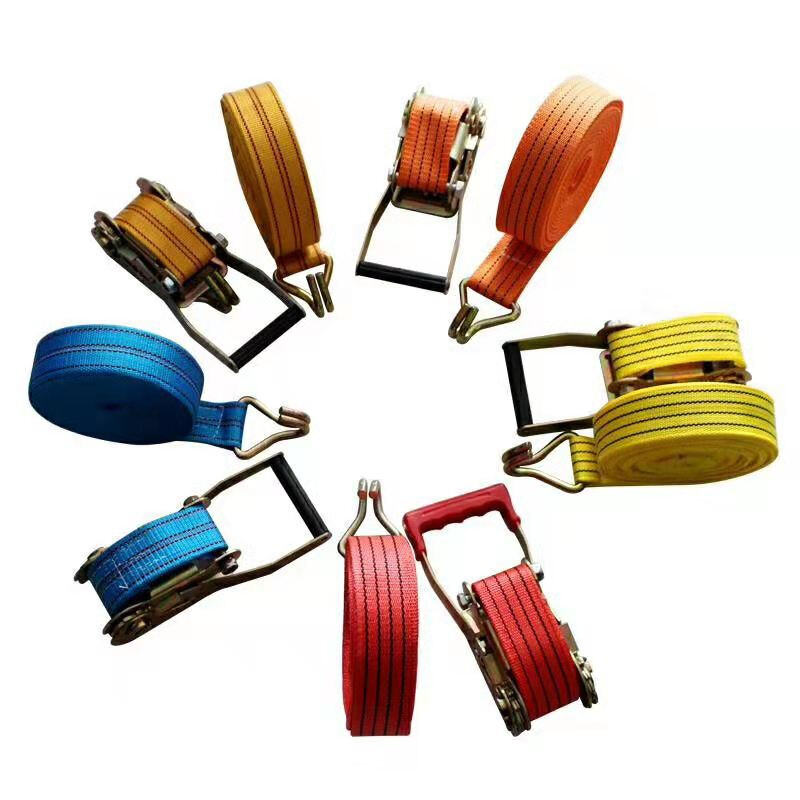
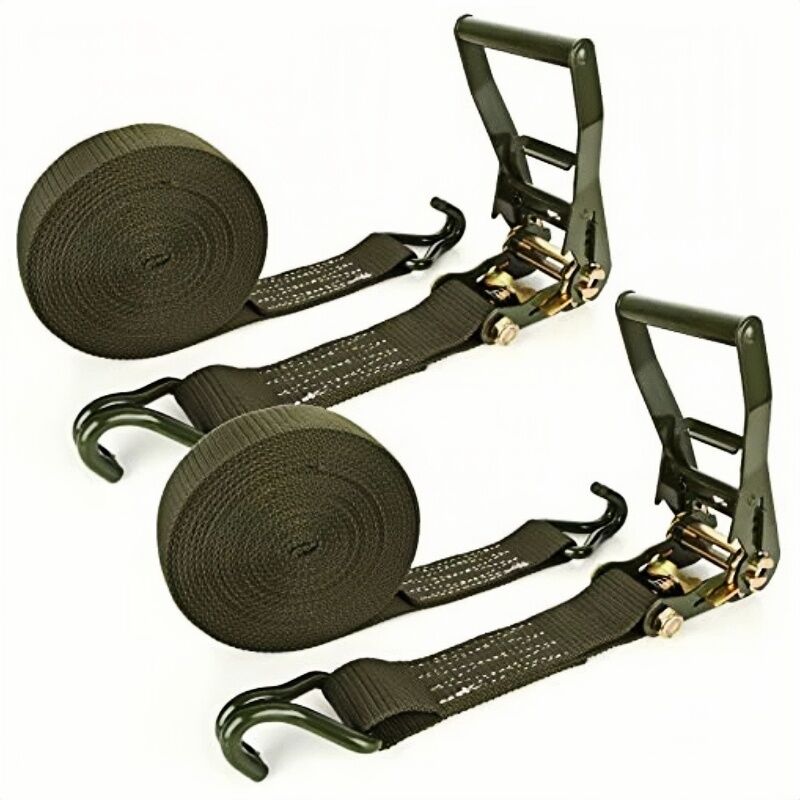
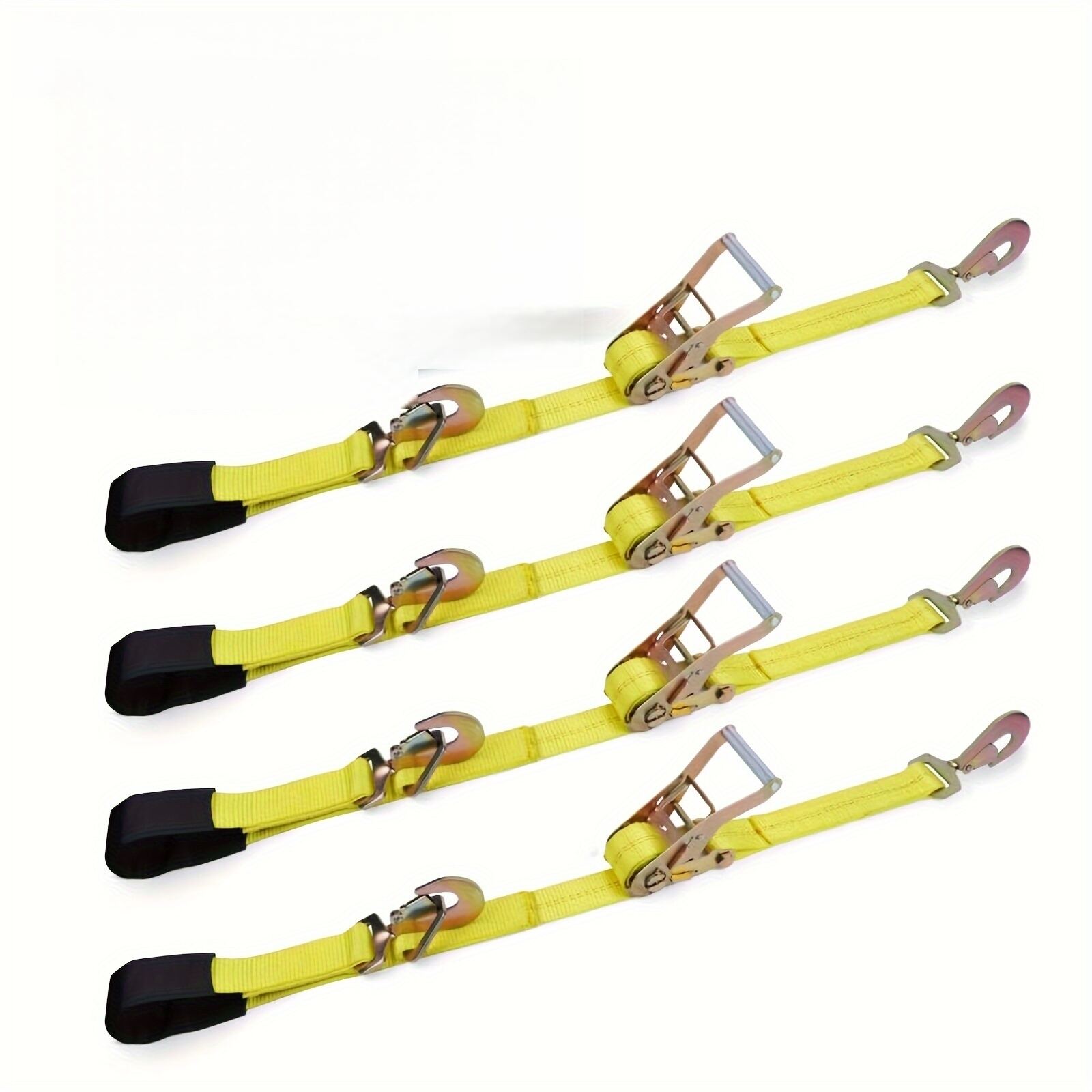
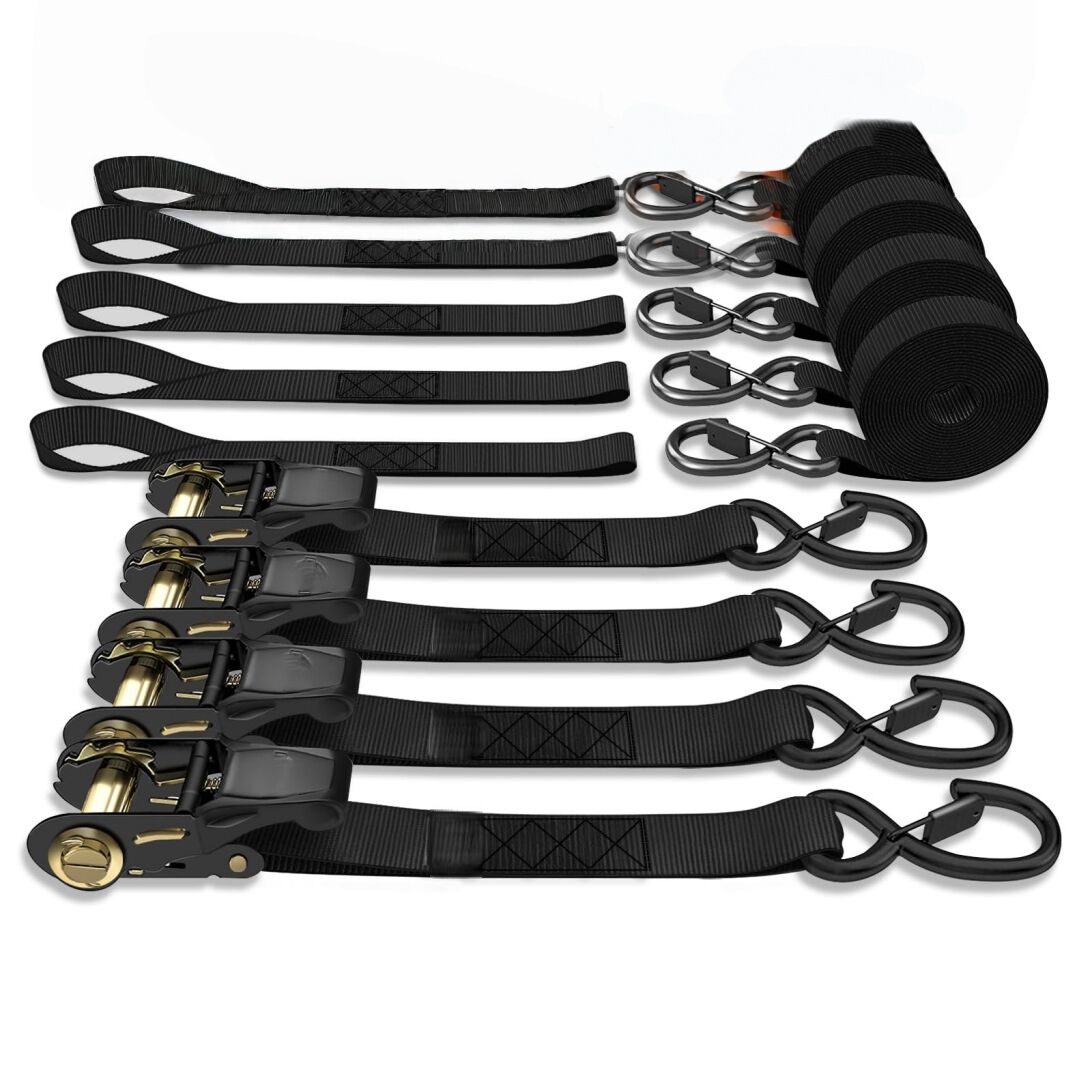
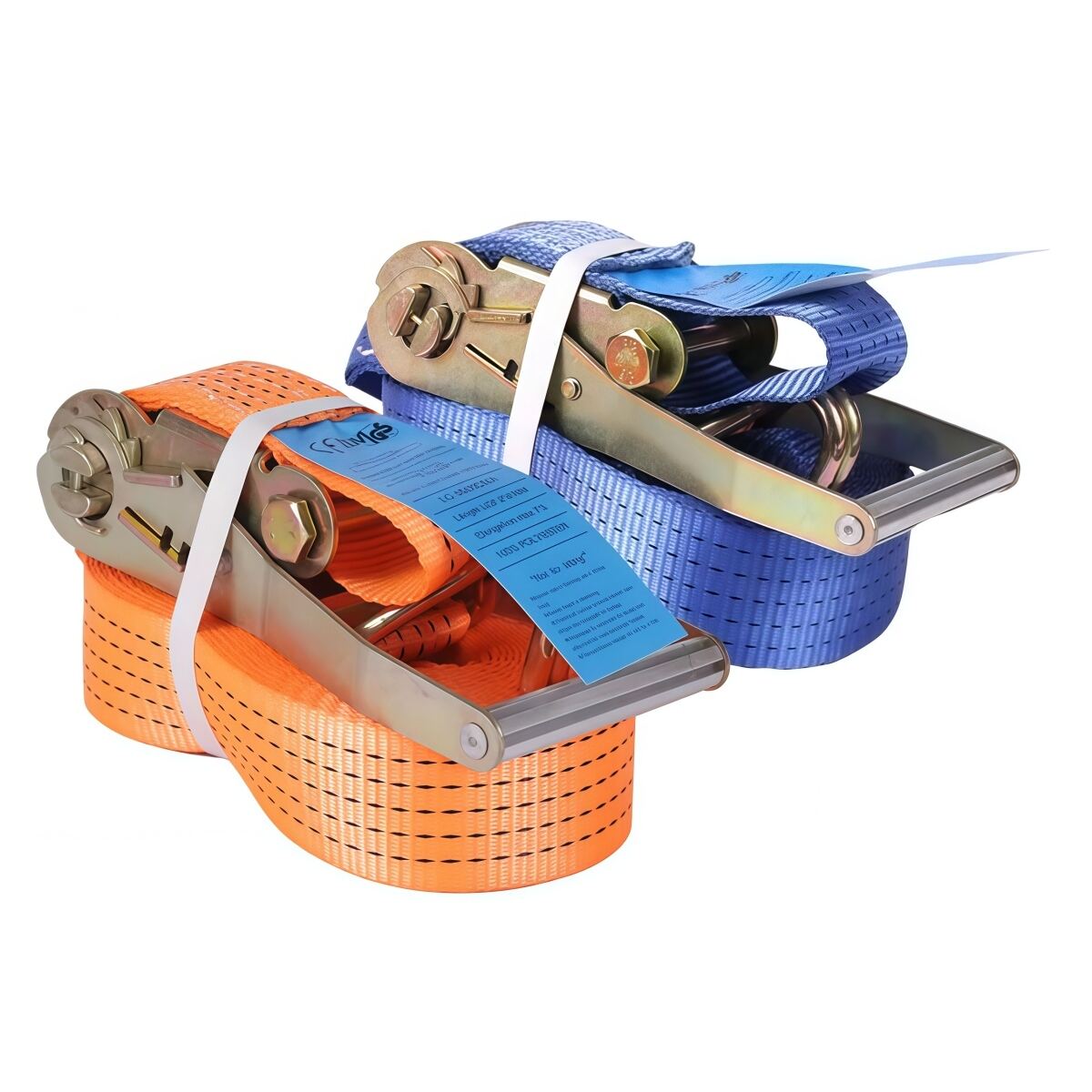
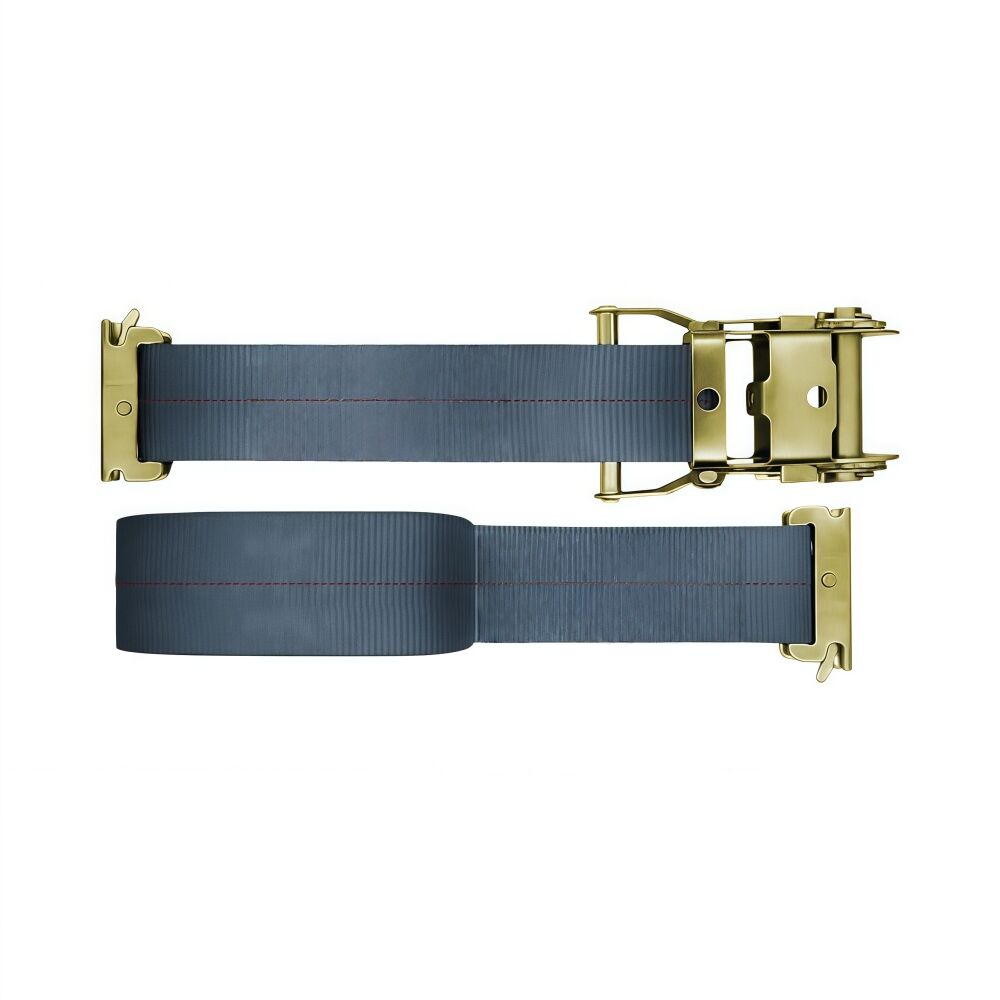
Professional cargo securing represents a critical safety system designed to prevent load movement during transportation across road, rail, sea, and air freight operations. This comprehensive approach combines specialized equipment, proven techniques, and industry-standard methodologies to ensure cargo remains stable throughout the supply chain journey. Professional cargo securing encompasses tie-down straps, lashing equipment, dunnage materials, anti-slip mats, load bars, and blocking devices that work together to create a secure transport environment. The primary functions include distributing forces evenly across the load, absorbing shock and vibration, preventing cargo shift during acceleration or braking, and protecting goods from damage caused by movement. Technological features of modern professional cargo securing systems include high-tensile strength webbing materials, ratchet mechanisms with precise tension control, corrosion-resistant hardware, and load-rated components that meet international safety standards such as EN 12195 and WSTDA guidelines. Advanced solutions incorporate digital tension monitoring, RFID tracking for equipment management, and engineered calculation tools that determine optimal securing points based on cargo weight, dimensions, and transport conditions. Applications span diverse industries including automotive logistics, construction equipment transport, manufacturing supply chains, retail distribution, hazardous materials handling, and international shipping operations. Professional cargo securing serves as the foundation for compliance with transportation regulations, insurance requirements, and workplace safety mandates while protecting valuable inventory investments and ensuring driver safety throughout every journey.

Popular Products

Implementing professional cargo securing delivers substantial cost savings by preventing cargo damage, reducing insurance claims, and eliminating losses from shifted or fallen loads that can reach thousands of dollars per incident. Companies experience fewer delivery delays since properly secured cargo arrives intact without requiring repackaging, inspection delays, or customer disputes over damaged goods. The operational efficiency gains are significant as trained personnel can secure loads faster using standardized professional cargo securing methods compared to improvised techniques, reducing loading dock time and improving fleet utilization rates. Safety benefits extend beyond cargo protection to driver wellbeing, as secure loads prevent dangerous shifting that causes accidents, rollovers, and road hazards affecting other motorists. Professional cargo securing systems demonstrate clear value for businesses facing regulatory scrutiny, as compliance with transportation safety codes protects against fines, legal liability, and operating authority suspensions that disrupt business continuity. The versatility of professional cargo securing equipment allows adaptation across different cargo types, vehicle configurations, and transport modes without requiring specialized tools for each situation. Investment in quality securing systems pays dividends through equipment longevity, as professional-grade materials withstand repeated use, harsh weather conditions, and demanding load cycles far better than consumer-grade alternatives. Companies gain competitive advantages through improved delivery reliability, enhanced customer satisfaction, and stronger safety records that attract quality clients and reduce worker compensation costs. The decision to adopt professional cargo securing practices supports sustainability goals by reducing waste from damaged products, minimizing reshipment emissions, and extending equipment service life. Practical benefits include ease of inspection, quick adjustment capabilities, and compatibility with existing fleet infrastructure, making professional cargo securing an accessible upgrade for operations of any size seeking measurable improvements in safety, efficiency, and profitability.

Practical Tips

Motorcycle Ratchet Straps Explained: Types, Ratings & What to Look For

28

May

Motorcycle Ratchet Straps Explained: Types, Ratings & What to Look For

View More
Success in Motion: Leao Rigging’s Recapping the 2026 Beijing and Yiwu Hardware Exhibitions

28

May

Success in Motion: Leao Rigging’s Recapping the 2026 Beijing and Yiwu Hardware Exhibitions

View More
What Are Ratchet Tie-Down Straps?

15

Jun

What Are Ratchet Tie-Down Straps?

View More

Get a Free Quote

Our representative will contact you soon.
Email
Mobile Or WhatsApp
Name
Company Name
Message
0/1000

professional cargo securing

Advanced Load Distribution Technology

Advanced Load Distribution Technology

Professional cargo securing utilizes engineered load distribution principles that spread restraining forces across multiple anchor points, preventing concentrated stress that damages both cargo and vehicle structures. This sophisticated approach calculates the center of gravity, accounts for dynamic forces during transit, and applies appropriate tension levels based on scientific friction coefficients and acceleration factors. Modern professional cargo securing systems incorporate self-adjusting tensioners that maintain optimal pressure throughout the journey, compensating for load settling and vibration that loosens conventional methods. The technology behind load distribution includes specialized corner protectors that prevent webbing damage while protecting cargo edges, telescoping load bars that create internal bracing without requiring external anchor points, and anti-slip materials with documented friction ratings that reduce the number of tie-downs required. Professional cargo securing equipment features color-coded working load limits clearly marked on every component, enabling operators to quickly select appropriate gear for specific cargo weights. This technological sophistication transforms cargo securing from guesswork into a precise engineering discipline, ensuring every load receives the exact level of restraint needed for safe transport while avoiding over-tensioning that damages sensitive goods or under-securing that allows dangerous movement.
Regulatory Compliance Assurance

Regulatory Compliance Assurance

Professional cargo securing systems are specifically designed to meet stringent transportation regulations enforced by agencies worldwide, including FMCSA guidelines in North America, EU directives for commercial transport, and international maritime standards for containerized shipping. Compliance with these regulations is not optional, as violations result in roadside citations, impounded vehicles, and substantial fines that impact company finances and operating authority. Professional cargo securing provides documented proof of proper load securement through equipment certifications, inspection records, and standardized procedures that demonstrate due diligence during audits or accident investigations. The assurance extends to liability protection, as proper securing practices significantly reduce company exposure in litigation following cargo damage or accidents caused by unsecured loads. Insurance carriers recognize the value of professional cargo securing, often offering premium reductions for companies with documented training programs and certified equipment usage. Professional cargo securing solutions stay current with evolving regulations through manufacturer updates, industry association guidance, and equipment redesigns that incorporate new safety requirements. This compliance assurance eliminates uncertainty for transportation managers who must balance operational efficiency with legal obligations, providing clear pathways to regulatory adherence that protect both company assets and public safety while maintaining the flexibility needed for diverse cargo handling requirements.
Comprehensive Training and Support Systems

Comprehensive Training and Support Systems

Professional cargo securing encompasses more than equipment alone, including comprehensive training programs that transform workers into certified load securement specialists capable of handling complex securing challenges. These educational systems cover physics principles affecting cargo stability, proper equipment selection methodologies, inspection procedures that identify worn or damaged components, and hands-on practice with various cargo types and vehicle configurations. Professional cargo securing training addresses common mistakes such as incorrect angle placement, inadequate tension application, and improper anchor point selection that compromise load security despite using quality equipment. Support systems extend beyond initial training through ongoing resources including mobile apps with securing calculators, video libraries demonstrating best practices, and expert consultation services for unusual cargo situations. Manufacturers of professional cargo securing equipment provide technical specifications, usage guidelines, and replacement schedules that help companies maintain peak performance across their securing inventory. This comprehensive approach builds organizational competency that persists beyond individual employee tenure, creating standardized procedures that ensure consistent quality regardless of which team members handle loading operations. The combination of quality equipment and knowledgeable operators maximizes the effectiveness of professional cargo securing investments, transforming safety from a checkbox exercise into a core operational competency that differentiates leaders from competitors in transportation and logistics industries.

Get a Free Quote

Our representative will contact you soon.
Email
Mobile Or WhatsApp
Name
Company Name
Message
0/1000