 EN
EN

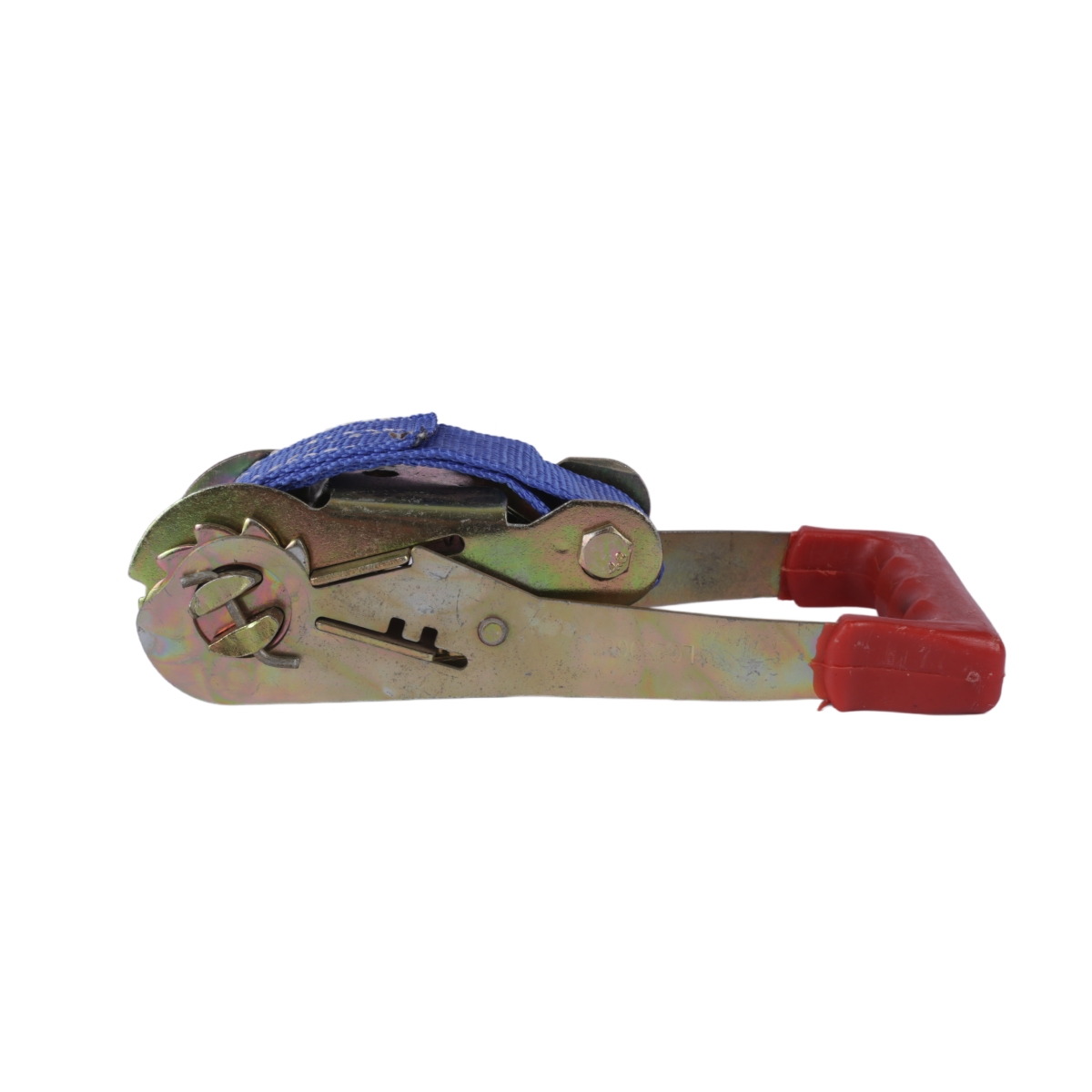
The handle design of ratchet straps directly influences how efficiently and comfortably operators can secure cargo loads. When choosing ratchet straps for your fleet, warehouse, or transportation operations, the ergonomic quality of the handle can mean the difference between quick, safe load securing and frustrating, injury-prone work. Understanding which handle designs make ratchet straps easier to use is essential for businesses that rely on reliable load restraint systems daily.
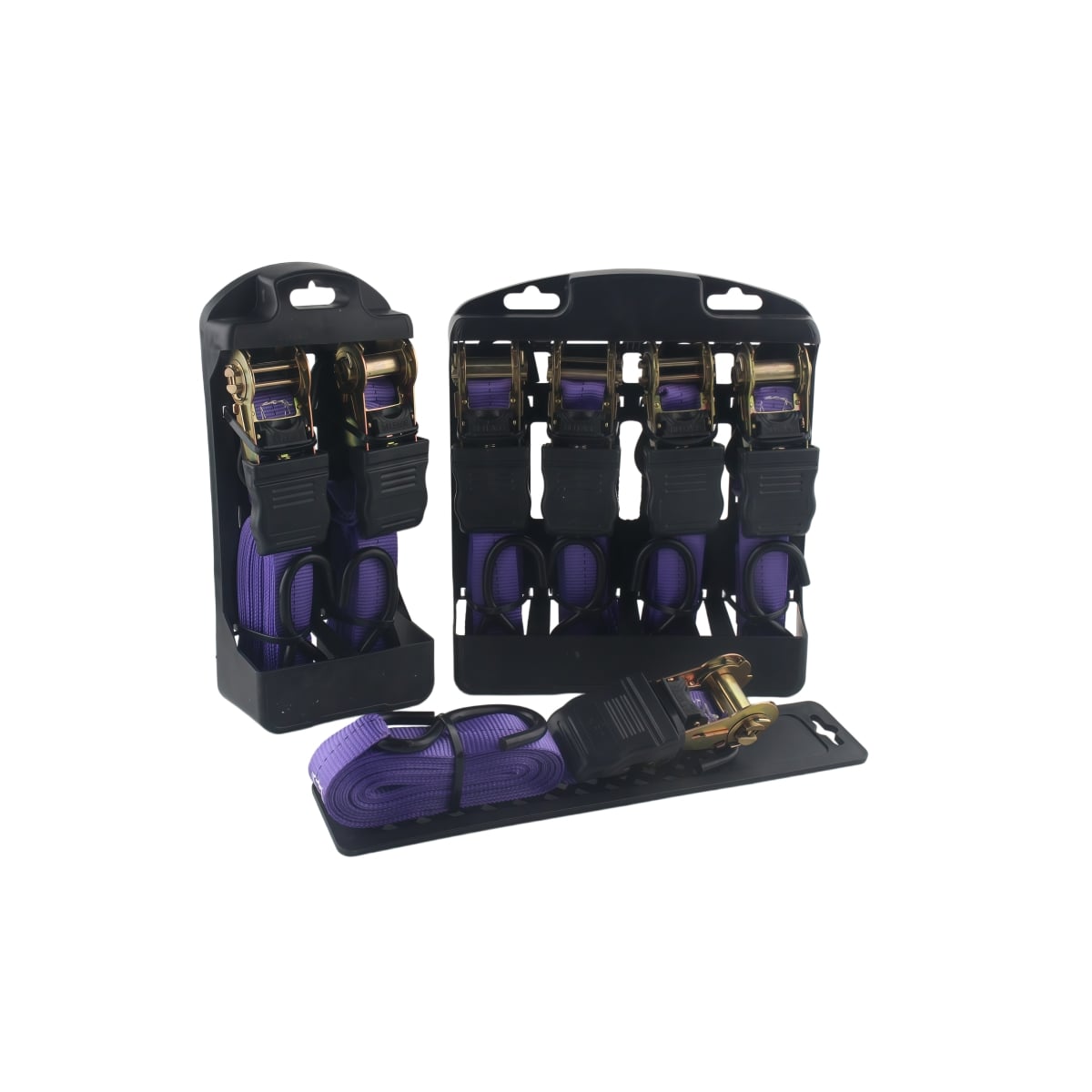
Professional operators know that poor handle design in ratchet straps increases fatigue, slows down work cycles, and can lead to repetitive strain injuries over time. The best ratchet straps combine intuitive mechanics with thoughtful ergonomic features that reduce operator effort while maintaining consistent tension control. This guide explores the key handle design characteristics that enhance usability and why they matter for your operations.
Handle Shape and Grip Comfort
Contoured Grip Profiles
The shape of a ratchet strap handle must fit naturally in the human hand to minimize fatigue during extended use. Contoured ratchet straps feature handles designed with curves and indentations that match the natural palm and finger positions, reducing pressure points and distributing force evenly across the grip surface. This ergonomic shaping is particularly important in high-volume operations where workers secure dozens or hundreds of loads daily. Unlike flat or cylindrical handles, contoured ratchet straps allow operators to apply consistent tension without excessive hand and wrist strain.
Texture and Material Selection
Textured surfaces on ratchet strap handles improve grip stability, especially in wet or dusty warehouse environments. Ratchet straps with rubberized or textured grip zones prevent slipping and reduce the need for excessive hand pressure, making tension application more precise and controlled. Materials matter significantly: soft-touch polyurethane or TPR rubber covers on ratchet straps provide superior comfort compared to bare plastic or metal handles. The texture also enhances tactile feedback, allowing operators to feel when they have achieved proper load tension, which is crucial for safe cargo securement using ratchet straps.
Mechanical Leverage and Mechanical Advantage
Ratchet Mechanism Accessibility
The way a handle connects to the ratchet mechanism determines how easily operators can engage and disengage ratchet straps. Handles designed with offset or angled attachment points to the ratchet wheel provide superior mechanical advantage, reducing the physical force required to tighten loads. High-quality ratchet straps feature handles that position the operator's hand away from the ratchet's pivot point, creating a longer lever arm and minimizing the muscular effort needed to achieve target tension. This mechanical advantage is especially valued in outdoor industries where securing heavy cargo is routine, and every improvement in operational ease reduces worker fatigue on the job.
Handle Length and Throw Distance
The functional length of ratchet strap handles directly affects how quickly operators can tension loads to proper specifications. Longer handles on well-designed ratchet straps require fewer ratcheting strokes to achieve the same tension, reducing repetitive motion and speeding up load securing cycles. Handle length should be balanced: too short and ratchet straps become tiring to use; too long and they become awkward to control in tight spaces. Professional-grade ratchet straps typically feature handles between 4 and 6 inches, optimizing the throw distance for both force application and control precision during the tensioning process.
Quick Release Features and One-Handed Operation
Thumb-Activated Release Mechanisms
Modern ratchet straps often include quick-release buttons or levers positioned for intuitive thumb or finger activation. These ergonomic design features on ratchet straps allow operators to release tension without repositioning their grip or switching hands, dramatically improving workflow efficiency. Thumb-activated ratchet straps reduce the cognitive load on workers by eliminating the need to remember different release procedures or search for release mechanisms in awkward locations. This simple but effective design innovation makes ratchet straps significantly easier to operate in fast-paced logistics environments where speed and safety are equally important.
Non-Slip Control During Release
Premium ratchet straps feature handles designed to maintain grip security even during the release process, preventing dangerous load slippage. When releasing tension, operators must maintain full control, and ratchet straps with textured release zones and intuitive button placement ensure the handle doesn't become slippery or unwieldy. This design consideration protects both operators and cargo, as an unexpected load shift during release can cause injury or damage. The ratchet straps with the best handle control features maintain secure operation throughout the entire tension and release cycle.
Industry Applications and Use Case Considerations
Heavy-Duty Transportation and Logistics
Professional transportation and logistics operations depend on ratchet straps that are easy to use repeatedly without causing operator fatigue or injury. In this demanding sector, handle design directly impacts safety outcomes, as fatigued workers are more likely to under-tension loads or secure cargo incorrectly. Ratchet straps chosen for fleet operations should feature ergonomic handles that support 50 or more tensioning cycles per shift without causing hand, wrist, or forearm discomfort. The best ratchet straps in this category combine mechanical advantage with textured grips and intuitive release mechanisms.
Outdoor and Construction Work
Construction and outdoor equipment securing requires ratchet straps capable of reliable operation in varying weather conditions and high-stress situations. Ratchet straps used in construction typically encounter mud, rain, salt spray, and temperature extremes, making handle texture and material durability critical factors. In these environments, ratchet straps with sealed components and aggressive grip textures perform better than designs optimized solely for indoor warehouse use. The handle design of construction-grade ratchet straps must balance comfort with the ruggedness required to survive outdoor job site conditions.
FAQ
How does handle length affect the ease of using ratchet straps?
Handle length on ratchet straps determines the mechanical advantage available to operators. Longer handles reduce the number of ratcheting motions required to achieve target tension, making ratchet straps faster and less fatiguing to use. However, excessively long handles on ratchet straps can become difficult to control in confined spaces. The optimal ratchet straps handle length balances force application efficiency with practical usability in real-world securing scenarios.
What handle material is best for ratchet straps used in wet conditions?
Textured rubber or TPR materials perform best on ratchet straps used in wet environments. These materials maintain grip security even when wet and do not become slippery like bare plastic or metal handles on ratchet straps. Ratchet straps with textured grip zones provide consistent tactile feedback and control regardless of weather conditions, making them superior for outdoor transportation and construction applications where moisture exposure is routine.
Can ergonomic handle design on ratchet straps reduce workplace injuries?
Yes, thoughtful handle design on ratchet straps significantly reduces repetitive strain injuries and worker fatigue. Ratchet straps with contoured grips, mechanical advantage, and intuitive release mechanisms distribute force evenly and minimize awkward hand positioning. By choosing ratchet straps with superior ergonomic handle design, organizations can reduce worker compensation claims, improve productivity, and extend the working years of their teams in demanding load-securing roles.